
How Köttbullar Reflects Nordic Food Culture
The Heart of Nordic Comfort
Köttbullar offers more than a tasty bite. It embodies the warmth and simplicity that many Nordic homes treasure. The dish invites people to gather, share flavors, and savor a moment of everyday delight. In every plate, you can sense a care for balance, lightness, and nourishment.
Core Ingredients and Technique
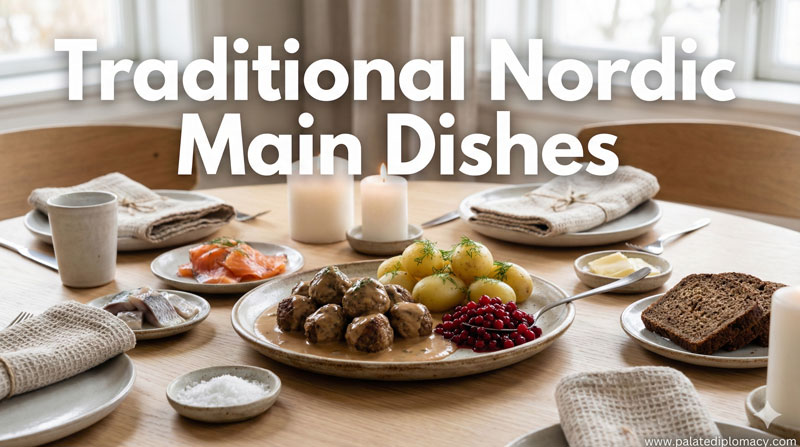
Key ingredients reveal a practical, seasonal palate. Use ground beef and a touch of pork for richness. Soak breadcrumbs in milk to keep the meat moist. Finely chopped onions, a whisk of egg, and a pinch of white pepper or allspice bring aroma and depth. Pan-fry the meatballs to a golden crust, then finish them in a creamy gravy. Serve with soft mashed potatoes, and a spoon of tart lingonberry jam nearby.
- Ground beef and pork
- Breadcrumbs soaked in milk
- Finely chopped onions
- Egg, spices, and a light touch of cream
- Butter for browning, and a silky gravy
- Lingonberry jam and potatoes on the side
These steps emphasize technique that honors the ingredients and the cook’s attentiveness. The result is a tender interior and a gently browned exterior, a hallmark of craft in Nordic home cooking.
The Role of Family and Shared Meals
Families often prepare Köttbullar for weekend gatherings or cozy weekday dinners. The ritual is simple: mix, shape, brown, and ladle the gravy. The dish invites conversation, slows the pace, and creates a sense of togetherness. A table set with familiar sides strengthens connections and makes comfort feel accessible to all ages.
Seasonal Harmony and Local Flavors
Nordic cooking centers on seasonality. Fresh milk, local cream, and seasonal onions shape the taste. Lingonberries provide a bright counterpoint to the creamy gravy, echoing the region’s love for tart, natural flavors. Potatoes, harvested at their peak, offer a hearty yet gentle companion. This harmony between dairy, berries, and root crops reflects a balanced culinary rhythm throughout the year.
Sides, Sauces, and Plating
A classic plate presents three elements: the meatballs, the creamy gravy, and the starch or vegetable companionship. The gravy ties the dish together with smooth texture and mild savoriness. Lingonberry jam adds a touch of tart brightness, while boiled or mashed potatoes offer a comforting starch. The overall presentation remains modest and inviting, letting the flavors speak clearly.
Texture and Scent as Cultural Signals
The crisp edges from pan-frying contrast with a soft center, a texture that pleases the tongue and the eye. The aroma—meaty, buttery, with hints of onion and spices—signals a meal prepared with care. These sensory cues reinforce the sense of home and tradition that surrounds Nordic dining.
Modern Variations and Tradition
Today, kitchens honor tradition while welcoming small tweaks. Some home cooks add a dash of nutmeg or pepper for warmth. Others experiment with different meat ratios or use oat-based binding to vary texture. Yet the core idea remains: simple ingredients, respectful technique, and a dish that brings people together. The beauty lies in how tradition adapts without losing its calm, honest essence.
A Cultural Touchstone Across Nordic Homes
Köttbullar sits at the crossroads of everyday life and culinary heritage. It mirrors values such as practicality, balance, and hospitality. The dish travels through homes with consistent warmth, a reminder that good cooking can be both comforting and refined. Its graceful simplicity invites curiosity and appreciation for Nordic food culture.
The Global Sanction of Nordic Flavor
While rooted in Nordic kitchens, Köttbullar resonates with people beyond borders. The dish demonstrates how approachable, well-made food can carry cultural meaning. Its popularity invites travelers and home cooks alike to discover the tastes of Nordic comfort, seasonality, and shared meals. In every bite, there is a quiet invitation to pause, savor, and celebrate good cooking.
In summary, Köttbullar is more than meat and gravy. It is a reflection of Nordic values: clarity, seasonality, and the joy of gathering. This dish teaches how modest ingredients can become meaningful culture on a plate, inviting respect, wonder, and continued home kitchen creativity.