
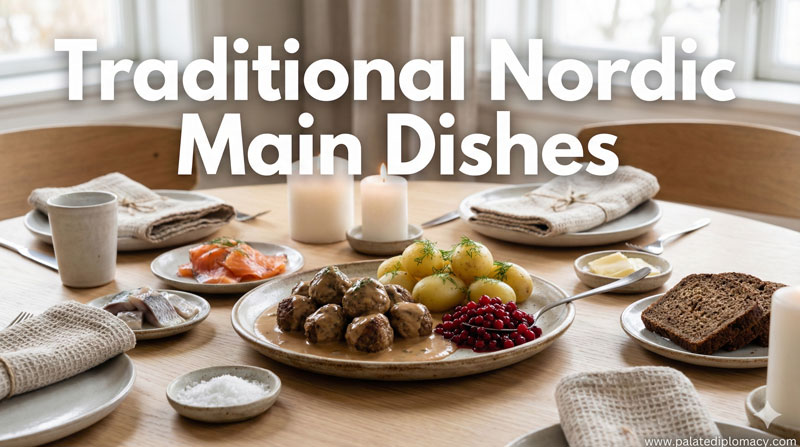
Meatballs travel with us in a quiet, comforting way. They appear on markets, in family kitchens, and in cozy eateries around the world. Travelers are drawn to their warmth, their simple shape, and the stories hidden in each bite. This post explores the cultural value and culinary significance of meatballs, and why they captivate visitors to new places.
The Global Allure of Meatballs
Meatballs are a versatile canvas. In different regions, they reflect local tastes and available ingredients. The same basic idea becomes unique when spices, herbs, and textures change. The shape is easy to share, easy to carry, and easy to cook for many people. This practicality makes them a traveler’s friend. A crusty exterior, a tender interior, and a well-seasoned center invite curiosity. Each bite tells a small regional story without saying a word.
Crafting Meatballs: Technique and Texture
Texture defines the dish as much as flavor does. Proportions matter: the balance of fat and meat, the binding agent, and the mix of herbs. Some versions favor pork, beef, lamb, or a blend. Fresh herbs lift the aroma, while garlic and pepper sharpen the bite. The cooking method shapes the experience: frying, simmering, or baking all create distinct crusts and juiciness. Rolling evenly ensures uniform cooking. The result is a sphere that carries flavor outward, inviting further exploration of sauces and sides.
Regional Voices of Meatball Varieties
Around the world, meatballs emerge in many forms. Italian polpette often appear with tomato sauce and pasta, offering comfort through brightness and acidity. Swedish köttbullar lean on a creamy sauce and a touch of sweetness from lingonberries. Turkish köfte use bold spices and grill on skewers for a smoky finish. Spanish albondigas drift in a tomato or broth base, quietly soaking up the flavors around them. Indian kofta can be rich with nuts and spices, sometimes served in gravies. Each variation shows how local ingredients and tastes shape the dish while keeping a familiar shape and purpose.
Sauces that Sing: A Partner to Meatballs
Sauces are the conversation partner for meatballs. A bright tomato base raises the freshness of the meat. A creamy sauce adds indulgence and balance. A clear broth lets the meat’s flavor speak softly. In many places, herbs and citrus lift the sauce, while a dash of heat adds character. The sauce completes the dish by linking texture and aroma. Travelers notice how the sauce reveals regional identity and culinary philosophy in every spoonful.
Social Moments: Meatballs on the Move
Meatballs thrive in social settings. They appear at street stalls, family dinners, and village celebrations. Sharing a plate invites conversation and connection. Travelers often sample them from a market stall, then seek out a recipe from a Local cook. The dish travels well in conversation and can spark discoveries about other foods nearby. In this way, meatballs become a gateway to local culture without instruction manuals—just taste and curiosity.
Markets, Homes, and How Travelers Discover Them
Markets invite travelers to see where ingredients originate. Fresh meat, herbs, and spices line the stalls, and cooks demonstrate techniques. Home kitchens reveal how families adapt recipes over time. Cooking classes let visitors try shaping meatballs themselves, then pairing them with regional sauces. This hands-on experience deepens appreciation for technique and tradition. The journey from market to table highlights the care behind everyday meals and the joy of shared food.
A Food of Connection: Tradition and Innovation
Old recipes endure because they adapt gracefully. Chefs honor tradition while inviting new flavors and textures. This balance keeps meatballs relevant for every generation. Travelers encounter both time-tested methods and inventive twists, all anchored by the same comforting form. The result is a dish that feels universal yet deeply local, inviting every palate to participate in a culinary conversation.
The Enduring Appeal
Why do travelers fall in love with meatballs? Because they offer warmth, accessibility, and a doorway into regional cooking. They are a small sphere with big meaning. They connect people through shared meals, storytelling, and the joy of discovery. In every bite, they celebrate food as a cultural practice, a craft, and a welcome signal that says: you are home wherever you are.