
Introduction
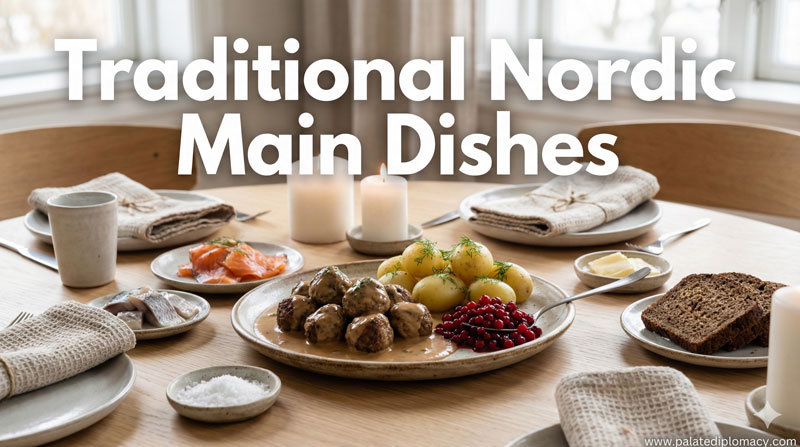
Meatballs are a warm invitation to the table. This guide invites you to savor meatballs Like a local, embracing the sights, sounds, and flavors that shape a memory of a dish. Each bite carries a sense of place, from the farmers’ market herbs to the hands that roll the mix. The goal is clear: celebrate the cultural value and culinary significance of meatballs in everyday life. Read on to discover how a simple ball of meat becomes a favorite in homes, kitchens, and local eateries.
What makes meatballs a local favorite
Meatballs reflect the rhythm of a community. They appear at family dinners, street stalls, and festive gatherings. Local meat, herbs, and spices define their character. Simple ingredients become a story when they meet a shared recipe. The result is comforting food that travels well—from a simmering pot to a hungry table. This is why meatballs feel intimate and universal at once.
Core elements of a local meatball
A local meatball balances texture, moisture, and flavor. Choose meat with enough fat to stay juicy. Bind with bread crumbs or soaked grains, eggs, or even mashed vegetables for moisture. Seasoning mirrors the pantry: garlic, onion, fresh herbs, and a touch of salt. Fresh herbs lift the mix; pepper and spices add warmth. The finish matters too: a light sear, gentle simmer, and a sauce that carries the flavor home.
Regional variations and local techniques
Across kitchens, meatballs take many forms. In one place, herbs are bold and crisp; in another, spices are delicate and fragrant. Some regions favor a firmer bite, others a plush, tender texture. Techniques vary as well: pan-frying for a crisp crust, simmering in sauce for tenderness, or baking for ease. These choices echo local tastes and cooking rhythms, turning a single dish into a mosaic of flavors.
How to enjoy meatballs like a local
To taste like a local, start with aroma. Bake or fry until the exterior is lightly crisp, then finish in a sauce that carries the sauce’s personality. Eat with a simple starch or bread to soak up the sauce. Pay attention to the herbs shining through each bite. A moment of savoring the sauce first, then the interior, helps you discover the balance locals seek.
Cooking methods that shape local character
The method shapes mood as much as flavor. Frying creates a golden edge and a contrasting bite. Simmering in sauce makes them tender and well infused with the sauce’s character. Baking offers a hands-off approach while preserving moisture. Each technique highlights different regional preferences and practical realities, making the dish feel like home wherever you are.
Pairings, sauces, and seasonal accents
Sauces are the Heart of a local meatball experience. Tomato-based sauces offer brightness and a classic match. Creamy or peppery gravies provide depth and warmth. Fresh herbs—parsley, dill, or chives—lift the finish. Seasonal vegetables and citrus zest can brighten the dish, connecting it to what’s growing nearby. The right side dish, from rustic bread to fluffy rice, completes the plate.
A living tradition: home cooking and community
Meatballs thrive through shared kitchens and community tables. Grandmothers pass down tips and tweaks, while neighbors swap secret ingredients. Markets showcase regional meats and herbs, guiding cooks toward local favorites. In homes and cafés, meatballs become a familiar way to welcome guests, celebrate birthdays, and mark everyday rituals. This living tradition is what makes the dish so cherished.
Conclusion: celebrating local flavor
A complete guide to enjoying meatballs like a local celebrates more than taste. It honors the spaces where food brings people together, the care in choosing ingredients, and the patience in cooking. When you cook with intention and savor with gratitude, the dish reveals its cultural value and culinary significance. Welcome this simple, joyful journey into the flavors that define a community.