
Introduction: How Reindeer Stew Reflects Nordic Food Culture
Reindeer stew is more than a warm bowl on a cold day. It is a quiet conversation between land, season, and craft. In Nordic kitchens, this dish speaks of patience, balance, and respect for ingredients. It invites us to see how a simple stew can carry a sense of place and time. The meat’s character, the vegetables’ sweetness, and a simmered sauce all come together to tell a story about community and sustenance. For many families, preparing and sharing this stew marks a season, a gathering, and a moment to savor the beauty of thoughtful cooking. The dish invites curiosity about how food reflects daily life, work, and the rhythm of nature. In short, reindeer stew offers a clear window into Nordic Food Culture and its culinary generosity.
The Heart of the Dish: Ingredients and Flavor
The core of reindeer stew is tender meat that holds flavor well through slow cooking. The traditional combination brings out depth: braised meat, onions, carrots, and potatoes form a comforting base. Mushrooms add earthiness, and herbs such as bay leaves, thyme, and sometimes juniper berries lift the sauce with bright, piney notes. A touch of cream or a splash of sour cream can bring richness without overpowering the meat’s flavor. Lingonberries or a spoonful of berry preserves can brighten the sauce with mild tartness. Salt and pepper shape every other ingredient, allowing natural sweetness to emerge. The result is a balanced, hearty dish where each ingredient plays a deliberate role in the overall harmony.
Techniques that Elevate the Dish
The dish gains its character through careful technique. First, the meat is browned to develop a savory crust. This step adds a deep, roasted aroma to the sauce. Next, the vegetables soften in the pot, releasing their sweetness. Then comes a slow braise: the meat rests in a flavorful liquid as it becomes tender. A gentle simmer helps the sauce concentrate without scorching. Layering flavors matters: a little garlic, a splash of broth, and a note of acidity can brighten the final sauce. Finally, resting the stew before serving allows the flavors to settle. The technique is steady and patient, mirroring the seasonal pace of Nordic life.
A Reflection of Nordic Values: Seasonality and Respect for Nature
Nordic cooking is strongly attuned to the seasons. Reindeer stew embodies this sense of seasonality by using ingredients that travel from forest and field to the table. The approach emphasizes simplicity and restraint, letting each component shine. Respect for what the land provides guides the cook. The method honors the animal’s life by transforming it into nourishing food that can be shared. This respect for nature also informs how long the dish cooks and how it is plated. A modest garnish or a small side can elevate the meal without masking its core flavors. In this way, the stew mirrors broader Nordic values of balance, humility, and reverence for the everyday miracle of good eating.
Regional Voices Across Nordic Lands
Across Norway, Sweden, Finland, and nearby regions, you’ll find subtle differences that enrich the dish. In Norway, the stew often leans toward a robust, earthy silhouette, with potatoes soaking up the rich sauce and a hearty bread on the side. Sweden may offer a touch more creaminess in the sauce, pairing it with mashed potatoes and a lingonberry accent to brighten the plate. Finland can bring a slightly lighter touch, where the sauce takes on a milder sheen and the dairy balance adds gentle silkiness. In Sami-influenced traditions, you may notice a careful pairing with wild herbs and berries that reflect alpine and tundra landscapes. Yet the core idea remains the same: a slow-cooked, deeply flavored, seasonally connected meal.
The Social Side: Sharing and Hospitality
Reindeer stew is a dish designed for sharing. It gathers people around a single pot, inviting conversation as flavors develop. Families often prepare it for weekend meals, celebrations, or quiet evenings that become special through warmth and aroma. The act of serving in bowls, passing a ladle, and offering seconds reinforces a sense of belonging. The dish also supports hospitality in smaller communities where a pot can feed many hands. Its generous portions and comforting profile invite everyone to slow down and enjoy the moment. In every serving, there is a thread of togetherness that makes the meal a small, daily celebration of care.
Flavor Partners: Lingonberries, Cream, and Grains
The sauce’s personality often carries a bright counterpoint from lingonberries or similar tart fruit. The contrast keeps the dish from feeling heavy and adds a fresh finish to each bite. Cream or a touch of dairy can round out the texture, lending a smooth finish that coats the palate without masking the meat’s character. Side dishes matter too: boiled or mashed potatoes, crusty bread, or simple barley grains provide a satisfying starchy balance. Pickled cucumber or fresh herbs can offer a crisp, refreshing note. These accompaniments turn a single pot into a well-composed, complete meal with multiple textures and flavors to explore.
Sustainability and Ethos: Cooking with Care
The stew is often made with ingredients that reflect long-held farming and herding practices. This creates a culinary loop where sourcing, preparation, and waste are considered. Keeping a respectful pantry routine, using leftovers, and choosing local produce whenever possible align with Nordic culinary ethics. Cooking this dish at home becomes a small act of mindful eating. The result is not only nourishing but also emblematic of a culture that values careful planning and reverence for resources. In this way, the stew demonstrates sustainability as a natural companion to flavor.
Quick Tips for Making a Nordic Inspired Reindeer Stew at Home
- Choose tender meat and trim excess fat for a cleaner flavor.
- Brown the meat well to build a rich base.
- Use onions and carrots for sweetness and depth; potatoes add heartiness.
- Add mushrooms for an earthy layer; finish with a touch of cream if you like silkiness.
- Season with bay leaves, thyme, and a pinch of juniper berries for bright, resinous notes.
- Simmer slowly until the meat is fork-tender and the sauce thickens.
- Add lingonberries near the end to preserve a subtle tartness.
- Serve with mashed potatoes, dense rye bread, or barley for texture variety.
- Let the stew rest briefly after cooking to meld flavors, then enjoy.
A Feast for the Senses: Plating and Atmosphere
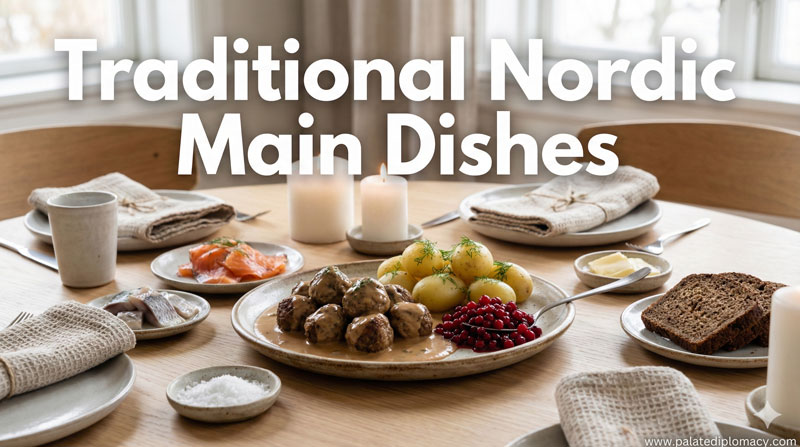
When plated, the stew offers a warm, inviting color and a rich aroma. The scent of herbs rising with the steam can make the room feel cozy and alive. The visual appeal comes from the deep brown sauce, the pale potatoes, and the red gloss of lingonberries or berry sauce. The overall impression is one of comfort, clarity, and care. A well-planned plate respects the ingredients and invites diners to notice how each piece contributes to the whole. The experience is as much about mood and hospitality as it is about flavor.
Conclusion: Celebrating Nordic Food Culture Through Reindeer Stew
Reindeer stew stands as a testament to Nordic culinary values: patience, balance, and a deep bond with land and season. It demonstrates how a straightforward preparation can yield depth and grace. The dish invites curiosity about regional variations while remaining grounded in shared practices of good eating. As a centerpiece for meals, it celebrates community, preparation, and the joy of a nourishing, thoughtfully prepared dish. By exploring its flavors and techniques, we gain a richer sense of Nordic food culture and its enduring beauty. Enjoy the warmth, the texture, and the subtle brightness that reindeer stew brings to the table.