
How Open-Faced Sandwiches Reflects Nordic Food Culture
Open-faced sandwiches are more than a quick bite. They are a doorway into Nordic dining values: clarity, freshness, and care in every detail. This dish, in its many regional forms, speaks to how people in the Nordic region approach food as both nourishment and art. It invites we as readers to notice the harmony of ingredient and technique that makes a meal feel Like a welcome gesture rather than a mere refueling.
The Base: Bread, Butter, and Balance
The foundation of these sandwiches is simple, yet purposeful. A sturdy slice of rye bread or other hearty grain provides texture and presence. Butter or a soft cheese often meets the bread first, creating a smooth surface that carries flavors without overpowering them. This pairing shows a respect for the bread itself and for how fats carry delicate notes—salt, cream, and herbs—without stealing the spotlight. The base is meant to stay firm as toppings are added, ensuring every bite remains balanced and satisfying.
Toppings as a Seasonal Language
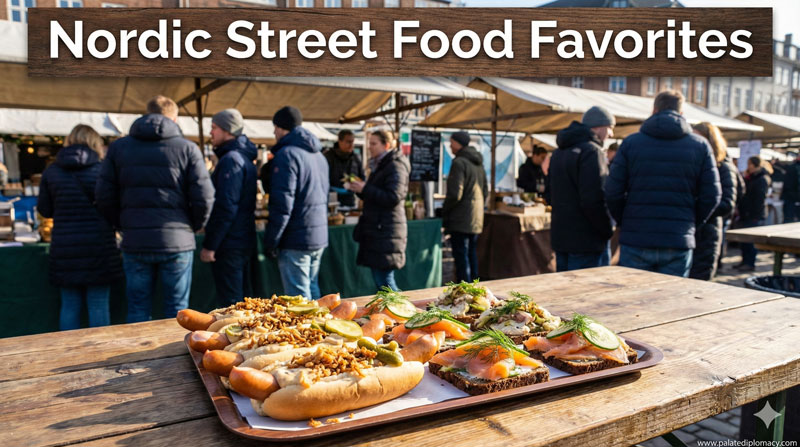
Nordic toppings tell a story of season and place. Fish features prominently, offering clean, bright flavors: salty herring, gravlax, smoked salmon, or crustacean accents. Egg, cucumber, radish, tomato, or beets provide crispness and color. Dairy elements like cream cheese or a mild soft cheese add creaminess where needed. Fresh dill, chives, lemon zest, and a touch of mustard lift flavors with herbaceous brightness. The idea is to highlight the best of what is available—sea, fields, and markets—so each topping feels intentional and fresh rather than ornamental.
Craft, Order, and Technique
There is a quiet elegance in the way these sandwiches are built. First, spread or butter the bread to create a moisture barrier. Next, add a liberal, clean layer of a chosen spread or cheese. Then crown with toppings in a deliberate order: sturdier items on the base, lighter accents on top, and a final touch of herb or citrus for brightness. The goal is a tidy presentation and a cohesive bite. This method emphasizes restraint and precision, values that resonate across Nordic cooking: let the ingredients lead, and let the plate tell a story of care.
Seasonal Rhythms and Everyday Nourishment
In Nordic homes, open-faced sandwiches fit naturally into daily meals. They adapt easily to breakfast, lunch, or a light supper. Markets showcase seasonal fish, herbs, and vegetables, inviting cooks to craft plates that reflect the week’s harvest. This flexibility mirrors a cultural preference for nourishment that is intimate, practical, and delicious. The result is a meal that feels comforting and personal, yet refined enough to serve guests with quiet hospitality.
Regional Voices: Denmark, Sweden, Norway
Denmark offers a celebrated tradition of open-faced artistry known as smørrebrød, where breads are layered with evocative combinations and presented with care. Sweden features a related practice—smörgås—emphasizing balance between bread, spread, and toppings, often with bright vegetables and eggs. Norway highlights seafood-forward combinations, where fresh fish, herbs, and crisp textures take center stage. Across these regions, the dishes share a philosophy: celebrate the base, elevate with thoughtful toppings, and present with simple, elegant arrangement.
Aesthetics and Shared Table Presence
A well-made open-faced sandwich pleases the eye as much as the palate. Color contrast, neat arrangement, and visible freshness invite you to share and savor. The presentation reinforces hospitality, inviting conversation about the ingredients and the season. In this light, the dish becomes a small ritual that strengthens everyday togetherness and culinary appreciation.
Concluding Reflections
Open-faced sandwiches reflect Nordic food culture through their clarity, craftsmanship, and respect for local ingredients. They honor the bread as a foundation, celebrate the season through thoughtful toppings, and invite diners to enjoy meals that feel both simple and meaningful. In every bite, you taste a tradition that values quality, balance, and warmth—an invitation to slow down, notice the ingredients, and celebrate the beauty of good food thoughtfully prepared.