
The Allure of Open-Faced Sandwiches
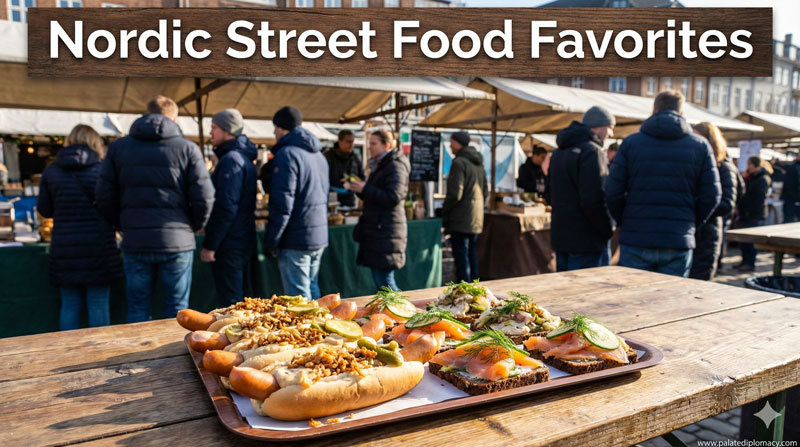
Open-faced sandwiches, a hallmark of Nordic cuisine, are more than a quick bite. They are a careful dialogue between bread, spread, and topping. A crisp slice of dark rye or a sturdy sourdough provides a reliable stage. A simple spread adds depth, while carefully chosen toppings tell a seasonal story. In homes, markets, and cafes, these plates invite attention to detail and a quiet celebration of balance. The dish remains inviting, accessible, and endlessly expressive, inviting cooks and guests to slow down and savor the moment.
A Nordic Tradition: Bread, Balance, and Craft
In Nordic kitchens, bread is the canvas, and balance is the rule. The base is sturdy enough to support generous toppings yet light enough to bite through with ease. Buttery spreads, herbaceous notes, and a touch of acidity lift each layer without overpowering it. This harmony is the craft at the heart of open-faced sandwiches. It rewards restraint and precision, rewarding cooks who consider texture, moisture, and proportion. The result is a plate that feels intentional, grounded in daily life, and crafted with care.
The Craft of Layering: Freshness, Crunch, and Color
Layering is where the story unfolds. A savory先 spread, a flexible protein, a crisp vegetable, and a delicate garnish come together in thoughtful order. Texture matters as much as flavor. Crunch from pickles or toasted seeds contrasts with the creaminess of spreads. Color matters too, turning a plate into a small work of art. The careful placement of each element communicates care and invites the eater to explore every bite. This is the quiet beauty of open-faced sandwiches: simple components, deliberate arrangement, satisfying results.
Regional Variations: Denmark, Norway, Sweden, and Finland
Across the Nordic region, open-faced sandwiches display regional personalities. In Denmark, you may see liver pâté with pickled cucumber, or roast beef with remoulade, onions, and fresh herbs. In Sweden, creamy cheeses, shrimp, and smoked fish pair with crisp vegetables and dill. Norway often highlights fish such as cured salmon or herring, layered with bright accents from onion, cucumber, or capers. Finland embraces mushrooms, cheese, and forest-inspired greens, shaped by local ingredients. Each variation honors local flavors while maintaining a shared love for balance and presentation.
Seasonal Rhythms: Market Freshness in Every Bite
Seasonality guides choice and style. Spring brings delicate herbs and early greens; summer offers tomatoes, cucumbers, and fresh fish. Autumn introduces root vegetables and preserved flavors; winter favors hearty spreads and robust cheeses. Markets become our galleries, where cooks select ingredients with care. The dish grows with the season, reflecting an intimate connection to source and timing. This rhythm keeps open-faced sandwiches lively year after year, always aligned with what the land and sea offer.
Social Grace on a Plate: Sharing and Aesthetics
Open-faced sandwiches emphasize hospitality. They invite conversation and shared joy. A well-arranged board becomes a focal point at gatherings, encouraging guests to sample a variety of toppings and combinations. The aesthetic aspect—color, height, and symmetry—enhances the sensory experience and signals generosity. In homes and venues, hosting with these plates becomes a subtle ceremony of care, a moment to slow down, appreciate craft, and connect through food.
A Modern Tapestry: Innovation That Honors Heritage
Today’s cooks blend tradition with fresh ideas while honoring the dish’s roots. Local producers, seasonal produce, and sustainable practices shape new takes. Yet the core remains: balance, quality, and thoughtful layering. Modern twists—soft cheeses, bright herbs, or regional seafood—sit comfortably beside classic combinations. The result is a living, evolving tapestry that respects heritage while inviting curious guests to explore. Open-faced sandwiches thus continue to be a beloved, comforting, and creative expression of Nordic Food Culture.