
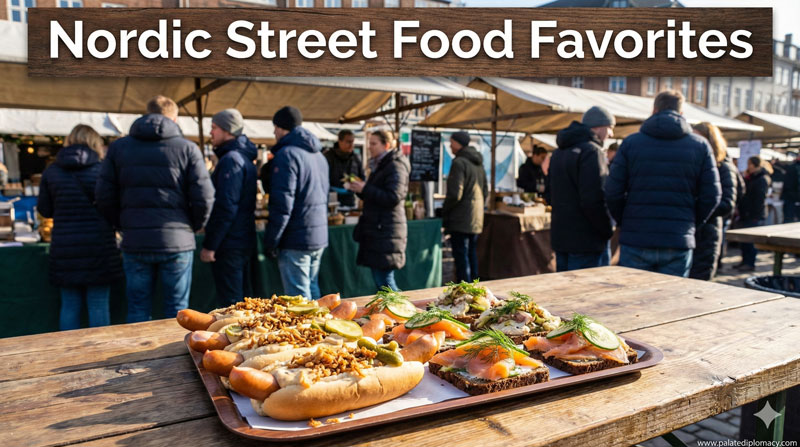
Introduction: How Open-Faced Sandwiches Reflects Nordic Food Culture
The dish How Open-Faced Sandwiches Reflects Nordic Food Culture invites readers to taste a philosophy. It rests on simple, local ingredients and clear cooking habits. In Nordic kitchens, the open-face format shines the natural flavors of each component. The bread, the topping, and the arrangement work together to tell a quiet story of daily life. This piece explores the cultural value and culinary significance behind the dish, with a focus on how it mirrors shared tastes and seasonal rhythms.
Core Elements: Bread, Toppings, and Dairy
At the Heart of open-faced sandwiches is bread. A sturdy rye or dark sourdough provides a buttery, nutty underlayment. The bread’s texture supports the toppings without overpowering them. Butter often joins bread and topping as a unifying layer, adding sheen and savor. Toppings span fish, cheese, vegetables, and eggs. Herring, gravlax, or smoked salmon offer ocean freshness; boiled eggs give a gentle richness; cucumber, radish, dill, and crisp greens add color and crunch. Cream cheese or a light cheese spread can balance salt and fat. Each bite presents a careful balance of texture, salt, and freshness, celebrating ingredients in their prime.
Seasonal Rhythm and Local Markets
Nordic open-faced sandwiches thrive on seasonality. In spring, tender greens and young herbs brighten toppings. Summer brings berries, cucumber, and bright tomatoes to the plate. Autumn yields root vegetables and preserved fish or dairy accents. Winter favors heartier touches like cured fish, aged cheeses, and robust herbs. Markets and cooperatives supply ingredients at their best, so the dish changes with the year. This rhythmic sourcing creates a dishescape that feels both grounded and alive. Clear transitions from season to season keep the palate engaged and the technique honed.
Social Life at the Table
Open-faced sandwiches occupy a welcoming spot in daily life. They appear as a thoughtful lunch at work, a casual family meal, or a midday break at a café. The presentation matters: a neatly arranged plate invites appreciation and conversation. Sharing offerings on a wooden board or ceramic tray becomes a small ceremony of care. In this way, the dish supports social ease and togetherness, qualities that many Nordic dining moments honor.
Regional Expressions Across Nordic Countries
Different Nordic regions put their own stamp on the open-faced sandwich. Denmark emphasizes rugbrød, layers of fish, meats, and delicate garnishes, with a refined, gallery-like arrangement. Sweden often features lighter bread with bright toppings and a playful mix of textures and colors; seafood remains a strong favorite, complemented by tangy accents. Norway favors hearty combinations on sturdy bread, with toppings like smoked fish, eggs, cheese, and fresh vegetables. Across all variants, the common thread is balance: a single, well-chosen topping on solid bread, thoughtfully layered and evenly cut. The result is a portable, satisfying meal that respects both the land and the cook’s craft.
Craft, Color, and Presentation
Craftsmanship shines in every open-faced sandwich. Chefs and home cooks learn to slice ingredients evenly, align toppings, and place color contrasts deliberately. A tasteful touch of green herb, a squeeze of lemon, or a delicate curl of fish can elevate the plate. Color tells a story of freshness; texture tells a story of technique. The discipline of neatness matters as much as flavor. The dish teaches patience and pride in small, repeatable steps that honor ingredients and guests alike.
Modern Nordic Voices
Today, chefs blend tradition with contemporary preferences. Light sauces, microgreens, and seasonal vegetables join classic fish, dairy, and bread. Local, sustainable sourcing becomes a guiding principle. Simple toppings may get an inventive twist, yet the core idea remains: celebrate what the season offers on a single slice of bread. This evolution preserves cultural identity while inviting new diners to discover the beauty of Nordic eating in an accessible format.
Conclusion: A Dish that Reflects a Way of Eating
Open-faced sandwiches embody Nordic culinary values: respect for local ingredients, clarity of flavor, and careful presentation. They teach us to listen to the season, to value texture and balance, and to share a well-prepared plate with others. In everyday meals, the dish becomes a gentle teacher of cooking as a mindful, communal act. By exploring its ingredients and regional expressions, we glimpse a food culture that delights in simplicity, craftsmanship, and the quiet beauty of a well-made bite.