
The Story Behind Open-Faced Sandwiches, a Nordic Food Favorite
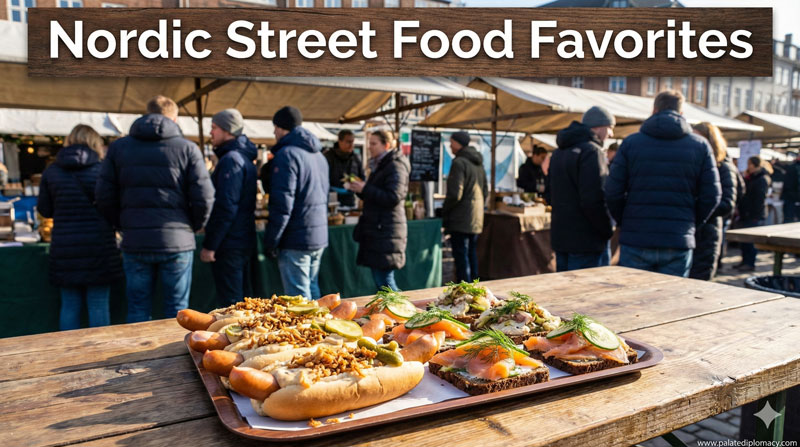
Open-faced sandwiches are a beloved staple across Nordic kitchens. They are simple in form, yet generous in flavor and meaning. A plate is built with a sturdy base, bright toppings, and careful arrangement. The result is not only food but a quiet celebration of season, skill, and daily life. In homes, cafés, and markets, these plates invite attention and appreciation. The Story is one of balance: hearty bread, fresh ingredients, and a touch of artistry. This balance mirrors the region’s love for clarity, practicality, and beauty in everyday meals.
A Foundation of Bread and Balance
The bread is the stage for every open-faced sandwich. In Nordic homes, rye bread is cherished for its depth and resilience. It holds toppings well and supports a generous, not oversized, portion. The slice is neither too thin nor too thick; it is crafted to mingle with toppings and sauces without overwhelming them. A good bread slice carries a hint of sweetness, a touch of sourness, and a hearty chew. These qualities create a sense of steadiness that frames the toppings with calm confidence. Presenting toppings on this base becomes a study in proportion and restraint, two hallmarks of Nordic cooking. The bread’s texture anchors the plate, letting brightness and saltiness dance in harmony.
A Palette of Toppings: Local Flavors in Harmony
Toppings form the color and character of the dish. Common choices highlight local ingredients, seasonal availability, and thoughtful contrasts. Silky gravlax, smoked fish, or pickled herring offer ocean-fresh brightness. Egg, cheese, or creamy pâté provide richness. Crisp vegetables, herbs, and thin slices of cucumber lift the plate with crunch and cool notes. Beet, carrot, or radish slices add color and earthiness. The trick lies in balance: salty meets sweet, sour meets smooth, and fat meets freshness. Toppings are arranged with care, sometimes in a fan, sometimes in a neat line, sometimes in a small mosaic. The artistry is gentle but deliberate, inviting the eye to move across the plate and then linger.
Craft, Care, and Presentation
Open-faced sandwiches are a tactile form of culinary expression. The craft shines in the assembly: selecting the base, layering each topping with intention, and leaving space for color and texture. A plate becomes a canvas, and the cook, a quiet artist. The presentation matters because it communicates care. A neat, symmetrical arrangement signals hospitality and attention. The sensory experience—sight, aroma, and texture—enters before taste. This ritual of building and presenting reinforces a sense of place and pride in the craft. Even small details, such as the glisten of a cured fish or the glint of fresh herbs, contribute to the overall harmony.
Culture at the Table: Social and Everyday Value
These sandwiches are more than nourishment; they foster connection. They appear in homes during family meals, in offices as an elevated quick lunch, and in cafés as a toast to local ingredients. Preparing and sharing an open-faced sandwich offers a moment of pause in a busy day. It invites conversation about flavors, seasons, and kitchen techniques. The practice of arranging toppings neatly on a bread base encourages mindfulness and appreciation. In this way, the dish becomes a social ritual—an invitation to slow down, notice, and enjoy. It reflects a culture that values clarity, warmth, and tasteful restraint in daily dining.
Regional Voices and Modern Horizons
Across Nordic countries, open-faced sandwiches carry regional flavors and traditions. In Denmark, the traditional “smørrebrød” showcases regional ingredients and classic pairings, often with an air of refined presentation. In Sweden and Norway, the approach blends ocean-fresh goods with seasonal produce, creating a brisk, bright plate. Modern twists bring vegetarian options, innovative toppings, and new textures while preserving the core idea: a single slice of bread topped with carefully chosen ingredients. The evolution remains respectful of the base techniques—quality bread, balance of flavors, and thoughtful arrangement—while inviting contemporary creativity. This harmony between tradition and modern taste keeps the dish relevant in homes, schools, and eateries alike.
The Culinary Significance: A Nordic Taste of Place
The open-faced sandwich embodies culinary principles that are central to Nordic cooking. It celebrates local ingredients, seasonal cycles, and practical technique. The dish rewards careful sourcing and precise execution. It emphasizes balance—between salt and fat, acidity and sweetness, and between soft and crisp textures. It is a model of how simple components can express a region’s character. The approach teaches patience, as toppings crown the bread with layers of flavor and meaning. In this sense, the dish is more than a meal; it is a concise portrait of Nordic Food Culture, inviting cooks and eaters to notice the small details that make a plate sing.
A Gentle Closing: A Dish That Feels Like Home
Open-faced sandwiches offer a welcoming doorway into Nordic cuisine. They are inviting, respectful, and deeply flavored with season and place. Each bite carries a sense of continuity—of family recipes, shared tables, and the daily joy of good food. The dish stands as a tribute to craft: a simple loaf, thoughtful toppings, and careful presentation come together to create something memorable. For anyone exploring Nordic food, these sandwiches provide a clear and delicious map of culture, technique, and communal eating. They are more than meals; they are little stories told on a plate, spoken softly with taste and texture.