
What Makes Pickled Herring So Special in Nordic Cooking
Pickled herring is more than a dish in Nordic kitchens. It is a quiet, daily expression of place, season, and craft. Bright, crisp, and tangy, it invites curiosity and heart. In Nordic cooking, the way this small fish is treated tells a larger story about patience, balance, and shared meals. The dish speaks with clarity about how a people respond to the year’s rhythms and to the ocean’s gifts. It remains a bridge between generations, a familiar flavor that welcomes both tradition and modern taste.
A Dish Rooted in Seasons and Local Bounty
Nordic cooks often speak in terms of seasonality. Pickled herring appears at key moments when the community comes together to feast, celebrate, or simply gather around the family table. The fish is abundant in coastal waters, and preservation becomes a practical art. Brine, vinegar, onion, and herbs capture the moment so a bright bite can travel through time. This practice honors the land and sea, letting the flavors stay fresh even as the weather turns. The result is a dish that feels local and honest, every bite carrying the Taste of nearby docks, markets, and small harbors.
The Craft: Techniques and Traditions of Preparation
The craft of pickling hinges on balance. A good pickle offers tang without overwhelming the fish’s delicate sweetness. Nordic cooks center the fish in a slightly sweet, lightly acidic brine. Some recipes add sliced onions, peppercorns, or mustard seeds; others favor a cleaner, more restrained brine. Each family may have its own signature touch, passed along through hands and voices. The technique emphasizes cleanliness, patience, and timing. The fish rests in the liquid until its flavors harmonize, revealing a texture that is soft yet crisp. This discipline makes pickled herring a reliable canvas for flavor, not a loud show of spice.
Regional Voices: Swedish, Norwegian, Danish, and Finnish Interpretations
Across the Nordic region, you’ll find variations that feel like friendly neighbors at a shared table. In Sweden, the scent of mild onions and delicate brine often accompanies the fish, making It a common guest on the Christmas buffet and the summer lunch table. In Norway, a lighter brine can let the fish’s natural sweetness shine, pairing well with crisp bread and dairy accents. Danish versions might echo slightly more mustard or pepper, aligning with a preference for bright, clean flavors. Finnish preparations often focus on a clean, sharp tang that contrasts with earthy rye and hearty fish soups. While the details differ, the core idea remains: a humble fish transformed through careful pickling becomes a bright, everyday delicacy. These regional voices create a shared language, a chorus of flavors that Nordic households recognize and celebrate.
Serving Traditions and Pairings
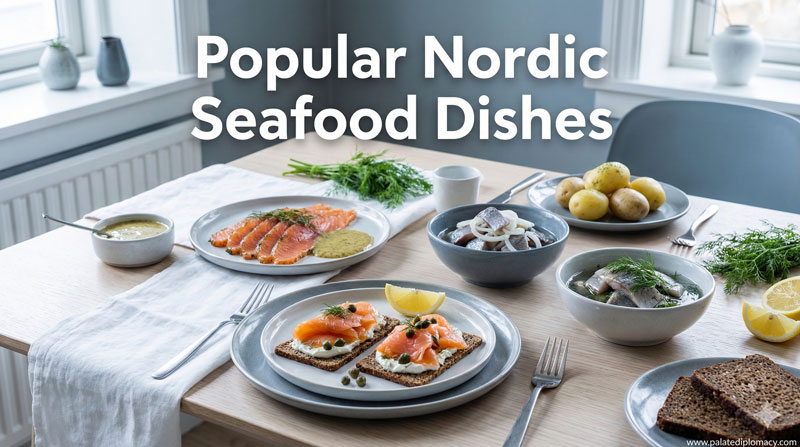
Pickled herring shines when served with simple, sturdy accompaniments. A slice of dark rye bread or crisp flatbread provides a satisfying foundation. A dollop of sour cream or a light onion slice adds gentle creaminess and bite. Fresh herbs, dill, or chives brighten the plate and lift the fish’s aroma. The timing matters: serve it at room temperature so the flavors do not hide behind cold directness. Pair it with a cool, clear beverage, such as a mild aquavit or a crisp mineral water, to refresh the palate between bites. These pairings are not just about taste; they are about rhythm and balance during a meal. The result is a harmonious and inviting dining experience that feels both everyday and special.
The Cultural Value: Family, Ritual, and Shared Craft
Beyond flavor, pickled herring carries cultural value that resonates in homes and communities. It connects people to family stories and to the rhythm of the seasons. Grandparents may teach younger cooks how to slice the onion just so or how to adjust the brine for a preferred texture. The dish acts as a quiet teacher, showing how simple ingredients can become meaningful through care and patience. It also helps sustain a shared culinary language across generations. When a family places a tray of pickled herring on the table, they invite conversation, memory, and a sense of continuity. In this way, the dish anchors everyday life as a living tradition.
A Living Tradition in Modern Nordic Kitchens
Today, modern Nordic cooks honor tradition while inviting fresh ideas. Some home cooks experiment with different herbs, citrus zests, or vinegars to tailor the acidity to contemporary tastes. Others preserve the classic approach, choosing minimal embellishment to let the fish speak for itself. In restaurants, chefs may present pickled herring as a small plate, paired with components that highlight texture and brightness. The essential instinct remains: respect what the fish offers and what the brine can carry. This balance makes the dish relevant to both everyday meals and special occasions. The result is a vibrant example of how tradition can adapt to new kitchens while staying true to its roots.
Education, Accessibility, and Community Sharing
As a staple in many households, pickled herring offers accessible learning for cooks at all levels. A simple recipe becomes a foundation for broader culinary exploration. Children can observe how flavors develop in the brine, helping them understand patience and care in cooking. Adults can expand the approach with new accompaniments and textures. Community gatherings, markets, and family kitchens often feature the dish, creating opportunities to share tips, stories, and improvements. This exchange helps keep the practice lively, welcoming, and easy to adopt by curious home cooks and newcomers alike.
A Gentle Invitation to Taste and Place
The beauty of pickled herring lies in its simplicity and its sense of place. It invites you to slow down, notice the balance of sour and sweet, and enjoy a bite that carries a coastline’s memory. The dish respects the ocean’s generosity and the home cook’s skill. It rewards attention with a clean, refreshing flavor that lingers pleasantly. In Nordic cooking, this modest fish becomes a reminder that good food often arises from thoughtful handling, careful timing, and a generous spirit at the table.
Conclusion: A Bright Thread in Nordic Food Culture
Pickled herring stands as a quiet, enduring thread in Nordic Food Culture. It embodies seasonality, craftsmanship, and communal gatherings. It invites families to learn together, friends to share a table, and cooks to approach flavor with balance and respect. The dish remains approachable yet meaningful, a daily pleasure that can shine at a holiday spread or a simple meal. In every bite, you sense the coastline, the markets, and the hands that prepared it. This is what makes pickled herring so special in Nordic cooking: a timeless, inviting celebration of taste, place, and shared life around the dinner table.