
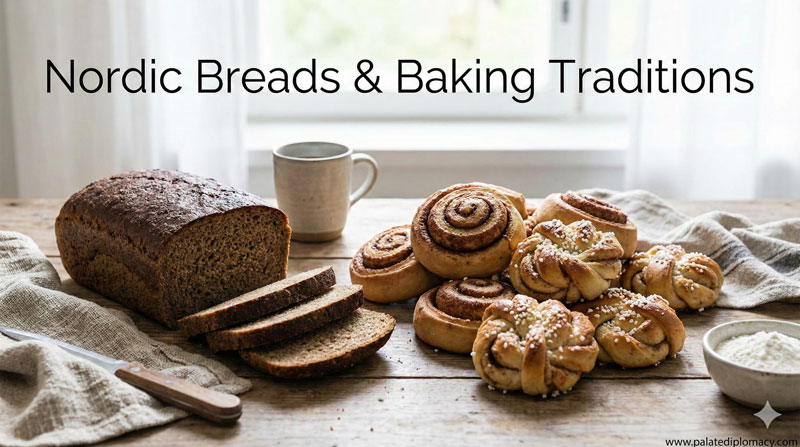
The Story Behind Cinnamon Buns, a Nordic Food Favorite
Cinnamon buns sit at the heart of Nordic kitchens and cafes. They welcome people with a soft crumb, a warm aroma, and a sense of shared comfort. This dish is more than a sweet treat; it is a ritual that marks time, conversation, and care. In many homes, the buns appear on ordinary days and on special occasions alike, weaving a simple pleasure into daily life. Through their buttery dough and spicy filling, they carry a feeling of hospitality and a memory of friendly gatherings.
The Cozy Rhythm of Nordic Life
In Nordic culture, small moments of coziness matter. The act of baking or savoring a cinnamon bun becomes a signal to slow down and connect. Families pause for a moment of warmth, friends share a chat over coffee, and neighbors greet one another with a friendly aroma drifting from a bakery window. This ritual breathes ease into busy days and invites people to linger. The cinnamon bun supports a gentle rhythm of life, where warmth, aroma, and conversation blend into a welcoming experience.
Craft and Flavor: The Dough, the Filling, the Swirl
The core of a cinnamon bun is a soft, enriched yeast dough. It uses milk, butter, sugar, and eggs to create a tender crumb. The dough rests and rises, then yields to careful rolling. The filling combines cinnamon, brown sugar, and melted butter, a trio that awakens the senses as it caramelizes during baking. Some bakers add a hint of cardamom, which lends a bright, citrusy note that brightens the spice without overpowering it. The dough is rolled, brushed with butter, spread with the cinnamon-sugar mixture, and shaped into a log. Slices reveal a spiral of cinnamon that promises a fragrant bite. When baked, the bun develops a glossy top and a soft center, inviting you to break it apart and share it.
Names and Regional Variations
Across the Nordic region, cinnamon buns carry distinct names and small differences that reflect local tastes. In Sweden, the popular term kanelbulle evokes a celebration of cinnamon in a round, pillowy form. In Norway, you may hear kanelsnegle or skillingsbolle, highlighting variations in the scroll’s thickness and sweetness. Finland offers korvapuusti, a name that carries a playful regional flavor. Denmark uses kanelsnegl, a cousin to the Swedish version with its own tender texture. Despite these differences, the core idea remains the same: a warm, cinnamon-forward roll that embodies comfort and craft. These varieties show how a single pastry travels through culture, adapting while keeping its heart intact.
Aroma, Texture, and Visual Appeal
The scent of a cinnamon bun rising from the oven creates a moment of anticipation. The aroma blends butter, sugar, and cinnamon, sometimes with a touch of vanilla. The texture offers a gentle tension between a soft center and a slightly crisper edge. Visually, the spiral reveals the careful layering, inviting the eater to savor the first bite with a sense of discovery. The glaze, if present, adds a soft gloss and a whisper of sweetness that completes the experience. This sensory trio—aroma, texture, and appearance—makes the bun feel Like a small celebration in everyday life.
Tradition in Daily Life: Fika, Fredagsmys, and Shared Moments
Two Nordic rhythms often surround the cinnamon bun. First, fika—a Swedish custom that centers on coffee and a pastry during a social pause—provides a daily context for enjoying the bun. Second, fredagsmys, the Friday coziness tradition, invites families to unwind together with a warm treat and a cup of coffee or tea. In workplaces and schools, sharing a cinnamon bun can signal a break, a moment to gather, and a chance to connect. The bun becomes a bridge between work and home, a way to slow down and be present with others.
Modern Twists Respecting a Heritage
Today, bakers and home cooks can explore gentle twists that honor tradition. Some prefer a classic glaze of sugar and a hint of lemon, while others embrace a more indulgent cream-cheese finish. Cardamom or citrus zest might join the filling for a brighter aroma. Some cafes offer smaller sizes for quick breaks, while others present larger buns for sharing. Yet even with variations, the essence remains: a well-made cinnamon bun invites a moment of warmth and a sense of community. These adaptations help the dish stay lively in contemporary kitchens while respecting its roots.
A Pastry in the Nordic Table Today
In bakeries and home ovens across the Nordic countries, cinnamon buns anchor a wide array of experiences. They appear in school lunches as a comforting option, in afternoon coffee corners, and in festive trays during seasonal gatherings. The bun’s simple ingredients and careful technique make it a reliable canvas for seasonal fruit glazes or festive toppings, while still preserving its core identity. This enduring presence reflects a culinary culture that values patience, skill, and hospitality. The cinnamon bun stands as a small symbol of Nordic culinary artistry—accessible, comforting, and elegantly modest.
Why This Dish Endures
The cinnamon bun endures because it speaks to universal pleasures—warmth, sweetness, and a shared moment. It invites people to slow down, connect, and enjoy good company. The technique celebrates quiet craftsmanship: patient rising, careful rolling, and patient baking. The flavors offer comfort without heaviness, a balance that suits everyday life and special occasions alike. As a cultural emblem, the bun reminds us that food can be a bridge between routine and delight, a small ritual that enriches daily living.
Final Thought: A Gentle Invitation to the Table
If you step into a Nordic kitchen or bakery, you may notice the cinnamon bun resting softly on a plate or cooling on a rack. Its charm comes not only from taste but from the story it carries: a story of coziness, care, and community. The bun invites you to savor a moment, to share a bite with someone you care about, and to celebrate the simple beauty of well-made pastry. In this way, cinnamon buns remain a cherished thread in the fabric of Nordic food culture.