
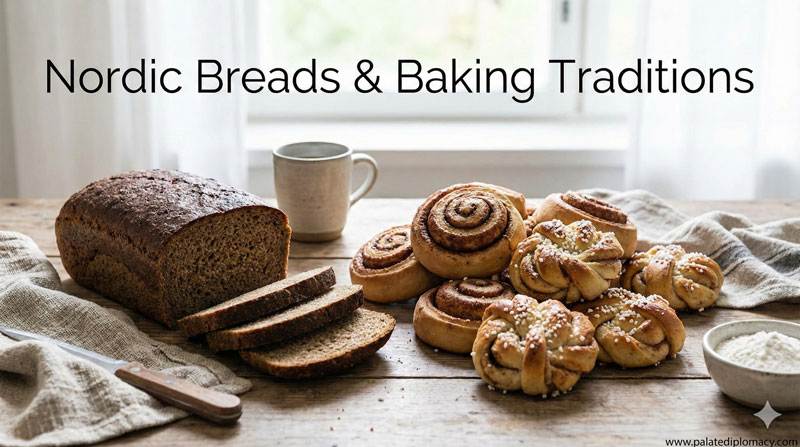
Why Travelers Are Falling in Love with Rye Bread
Travelers discover rye bread in many places, and the loaf leaves a quiet, lasting impression. The scent of rye, the crust’s gentle slap of heat, and the crumb’s sturdy bite invite attention. A single slice can hint at fields, markets, and bakeries seen along the road. This post invites you to explore the cultural value and culinary significance of rye bread, told with care and curiosity.
The Sensory Allure of Rye
Rye bread offers a distinct, welcoming presence. The crumb is often denser than standard wheat loaf, yet it can stay tender with the right balance of moisture and time. The crust darkens to a warm amber, sometimes speckled with seeds. Flavors include a subtle malt note and a tang from natural fermentation, with a gentle sweetness that lingers. This combination makes rye bread feel both grounded and lively, a companion for quick breakfasts or slow lunches while traveling. The aroma alone often signals a loaf crafted with patience and respect for craft.
The Craft Behind Rye Bread
Rye flour behaves differently from wheat flour. It has less gluten, so bakers rely on long fermentation and careful hydration to build structure and flavor. A lively sourdough starter brings depth and helps the loaf rise in a satisfying, compact way. Some bakers blend a touch of wheat to improve rise, while others stay 100% rye for a purer expression. Fragrant seeds such as caraway, fennel, or coriander frequently appear, adding warmth and aroma. The result is a loaf that rewards slow baking, attentive kneading, and a patient pace on the bench or in the oven.
Global Variations Travelers Notice
Rye bread appears in many regions, each with its own signature style. In Sweden, rågbröd is sturdy and often sliced thin for open sandwiches. In Denmark, rugbrød is dark, hearty, and seeded, a staple in daily meals. In Germany, roggenbrot covers a spectrum from rustic, crusty loaves to the deeply colored pumpernickel. In Russia and Poland, rye bread accompanies comforting soups, smoky fish, and fresh vegetables. The French enjoy pain de seigle, a lighter, yet resinous option that still centers the rye’s character. Across these varieties, rye bread travels as a familiar, dependable companion to seasonal ingredients and traditional flavors.
Pairings and Everyday Rituals
Rye bread shines beside simple, honest toppings. A thin spread of butter allows the bread’s natural tang to speak clearly. A slice with cheese—especially a tangy, aged variety—creates a balance of sharp and earthy notes. Pair rye with smoked fish, crisp pickles, or beet salads for a meal that feels both grounded and bright. In markets and homes, a warm slice can accompany a bowl of soup or a hearty stew, turning a meal into a small, comforting ritual reachable on any travel day.
The Craft and Sustainability of Rye
Local grains, careful milling, and patient bakers keep rye bread vibrant. Stone-ground mills reveal richer flavors and textures, while small bakeries preserve traditional techniques. At the same time, modern bakers adapt with smart hydration, timers, and fresh seeds to create bread that travels well and stays fresh longer. When travelers seek out rye, they often discover more than a loaf; they encounter a community of makers who honor place, season, and craft.
Tips for Travelers: Enjoying Rye on the Road
Look for a loaf with a deeply colored crust and a moist, compact interior. Smell the aroma; it often hints at malt and seeds. Toast slices to bring out sweetness and a gentle crisp. If possible, ask the baker about seeds or fermentation notes—that small exchange can reveal the loaf’s character. For transport, wrap the loaf lightly to protect the crust and enjoy within a couple of days for best texture.
A Cultural Slice Across Regions
Rye bread connects everyday meals with the season’s bounty. It supports family breakfasts, market traditions, and shared plates across towns and cities. The loaf acts as a quiet ambassador of regional craft, linking field to kitchen and kitchen to table. For travelers, this bread offers a warm invitation: A Taste of place, a window into technique, and a reminder that simple ingredients can carry a world of flavor.