
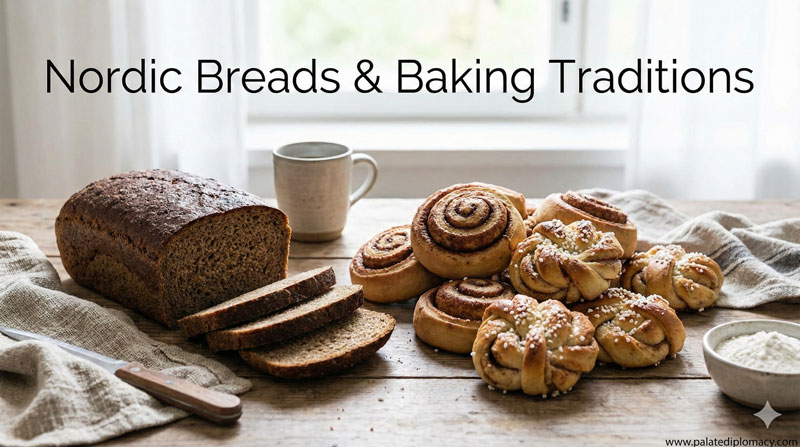
Discover the Clean Flavors of Rye Bread
This dish invites quiet savor. The clean flavors start with simple ingredients. Rye flour brings depth without heaviness. Bakers work with patience to coax tenderness from a sturdy dough. In this post, you will explore its cultural value and culinary significance.
What Rye Bread Is
Rye bread uses rye flour. It often blends rye with wheat to balance texture. The dough is denser than white bread, yet soft inside. The aroma is earthy and fragrant. The result is a versatile loaf that pairs with many dishes.
The Flavor Profile
First, the aroma greets you with earthy notes. Next comes a gentle tang from natural fermentation. The crust crackles, revealing a slightly sweet crumb. The flavor rests between nutty and mild sour. These traits make it a flexible companion at the table.
Craft and Technique
Rye bread thrives on fermentation. Bakers cultivate a starter that carries wild yeasts. The hydration level matters; higher hydration yields a moist, open crumb. Caraway or seeds may be added for aroma. Kneading is steady, and resting periods give flavor time to develop.
Cultural Value Across Regions
Across Europe, rye bread is woven into daily life. In Germany and the Baltic states, it anchors weekday meals. In Poland and the Czech lands, rye loaves appear at family tables and in bakeries. In Scandinavia, rye accompanies soups and fish. In Russia and parts of Eastern Europe, rye is a faithful companion to dishes like hearty stews and vegetables. The loaf offers nourishment and continuity, with a simple beauty that shines on rustic boards and in Modern kitchens. It is a bread of shared moments, crafted with care and pride, yet approachable for everyday use.
Pairings and Serving
Pairings include cultured butter, creamy cheeses, smoked fish, beets, and hearty soups. A slice with a touch of olive oil or a thin layer of jam can sing, but the clean profile remains the star. The bread holds its own and elevates modest ingredients. Serve warm for a softer crumb or toasted for a crisp crust. Each pairing celebrates balance and clarity.
The Joy of Home Baking
Home bakers savor the rhythm of rye. Start with a small loaf and share it with friends or family. Fermentation times vary, and patience yields depth. The baking ritual becomes a small celebration of craft and care. In your kitchen, the loaf becomes a link to regional baking traditions and everyday delight.
The Sensory Experience
The crust crackles with a satisfying sound. The aroma feels earthy, nutty, and inviting. The taste offers a gentle tang, with a subtle sweetness that lingers. The texture blends firmness with tenderness, making bites feel lively yet comforting. This harmony makes rye bread a comforting staple and a canvas for simple toppings.
Conclusion
Discover the clean flavors of rye bread, and you meet a bread that honors both craft and culture. Its appeal rests in clarity, balance, and versatility. From the hands of the baker to the table, it connects everyday meals with a tradition of thoughtful baking. Embrace a slice, and you savor a quiet celebration of Food Culture.