
Introduction
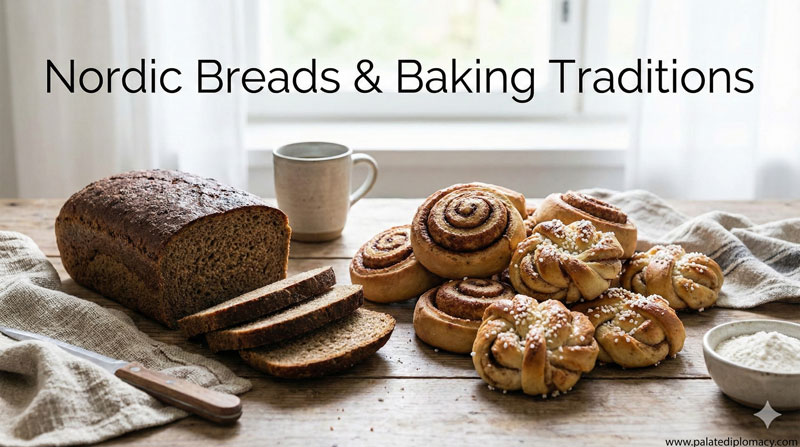
How Rye Bread Became Popular in Nordic Cuisine is a story of everyday nourishment and quiet artistry. This loaf travels through homes from Copenhagen to Oslo, from Stockholm to Helsinki, and into the Heart of family meals. It is sturdy, fragrant, and deeply comforting. Its rise in Nordic kitchens mirrors a shared respect for grain, patience, and the craft of baking. In this post, we explore the dish’s cultural value and culinary significance with warmth and clarity.
The Grain and the Dough
Rye thrives in northern climates. Its flour adds a dense, flavorful crumb and a distinct, nutty aroma. The dough often leans on a slow, lingering fermentation. This technique blends rye’s robust character with a gentle sourdough tang. Bakers may mix rye with a touch of wheat to help the loaf rise, but the soul remains rye-forward. The result is a bread that stays moist inside and offers a lively crust outside. This balance invites savoring, slice by slice, as part of a daily ritual rather than a quick bite.
Traditional Techniques and Modern Adaptations
In Nordic homes, rye bread is a thread that weaves through generations. Traditional rugbrød in Denmark and rågbröd in Sweden are celebrated for their depth and resilience. Long fermentation, careful hydration, and a patient bake yield a loaf that stores well and improves with age. Today, bakers honor these roots while exploring seeds, such as sunflower, flax, or caraway, to add texture and aroma. Modern methods honor the past while embracing practical tweaks for home ovens and artisanal bakeries alike. The result is bread that feels both familiar and fresh.
Texture, Flavor, and the Palette
The texture of rye bread is its calling card. A dense, moist crumb meets a crust that crackles with aroma. The flavor carries hints of earthy sweetness and subtle tang from fermentation. Caraway and other seeds offer a gentle spice that complements fish, cheese, or rich vegetables. This bread acts as a bridge between courses, supporting flavors without overpowering them. Its bite invites careful tasting and thoughtful pairing, making each meal feel deliberate and complete.
Open-Faced Harmony: Smørrebrød and Beyond
One of the most beloved expressions of rye bread is the open-faced sandwich, or smørrebrød. A sliver of rye bread becomes a stage for colors, textures, and seasonal toppings. Crisp pickles, smoked fish, herb butter, or a slice of beet and cheese can transform a simple slice into a ceremonial bite. The bread’s sturdy structure holds toppings with grace, while its flavor enhances every embellishment. This practice highlights the Nordic gift for balancing simplicity with elegance at the table.
Seasonal and Local Inspirations
Rye bread reflects the rhythms of the year. In winter, it supports heartier toppings and warm spreads. In spring and summer, it welcomes bright herbs, dairy, and fresh vegetables. Seeded varieties echo the harvest, while plain loaves offer a clean canvas for daily meals. The bread’s versatility makes it a companion to many seasonal dishes, emphasizing local ingredients and the satisfaction of home cooking. This harmony with the land fuels its enduring appeal.
A Craft Shared Across Generations
Baking rye bread is a shared practice. Families pass down tips for kneading, proofing, and shaping. Community bakeries preserve the exacting standards that give rye bread its characteristic crumb and crust. Every loaf becomes a small celebration of patience, skill, and care. The habit of baking together strengthens bonds, creates comforting rituals, and helps keep culinary memory alive in a gentle, positive way.
Conclusion: The Quiet Beauty of Rye Bread
Rye bread stands as a testament to Nordic culinary values: practicality, patience, and a love for texture and aroma. It brings depth to meals and grace to gatherings. Its cultural value lies in how it grounds everyday eating while elevating ordinary ingredients into something memorable. When you slice into a rye loaf, you taste a history of care, a craft well practiced, and the shared joy of nourishment. This is why rye bread remains a beloved cornerstone of Nordic cuisine.