
Introduction
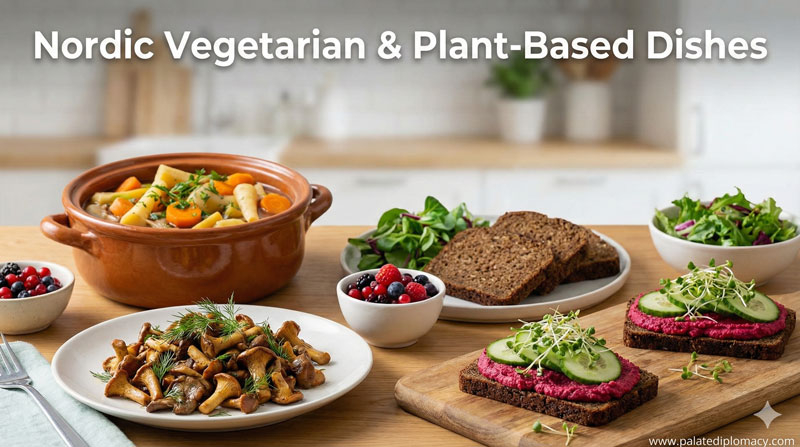
Berry salads hold a special place in Nordic cuisine. They are not just dishes, but expressions of season, landscape, and shared meals. These salads celebrate bright fruit, cool dairy, and crisp greens in harmony. They speak to a culinary philosophy that honors freshness, balance, and everyday beauty. In this post, we explore how berry salads became popular, and why they matter in cultural and culinary terms.
The berries that shape Nordic salads
Nordic landscapes offer a rich pantry of berries. Bilberries and blueberries thrive in forests and bogs. Cloudberries glow orange against greens in marshy meadows. Lingonberries offer a tart punch that sings beside creamy elements. Strawberries arrive with summer light and sun. Each berry carries a memory of location, season, and care—from careful picking to gentle handling in the kitchen. When a salad uses these berries, it echoes the nearby fields, forests, and coastlines. The result is a dish that feels both intimate and open to sharing. The berries bring color, aroma, and a natural sweetness that pairs well with dairy, grains, or herbs.
Techniques and textures that define the dish
Nordic berry salads live at the intersection of texture and flavor. A simple mix might include crisp greens or rye crisps for crunch. Creamy elements such as yogurt, sour cream, or crème fraîche soften tart berries. Nuts or seeds introduce a welcome bite. A light dressing—often a touch of honey, lemon, or apple cider vinegar—brightens without hiding the fruit’s character. This balance is a key culinary principle: let the berries lead, then build layers around them. The technique is approachable, yet it yields a refined plate worthy of demonstrations and gatherings alike.
Cultural context: meals, seasons, and togetherness
Berry salads are woven into the rhythm of Nordic life. They appear at family tables during long summer days and bright harvest moments. They are common in simple lunches, picnic spreads, and festive meals, where color and scent lift the mood. The salads invite participation: adults and children alike can wash berries, stir a dressing, or sprinkle seeds. This shared preparation strengthens a sense of community around food. The salads also reflect the seasonal arc: peak berry sweetness in warm months, then comforting uses with preserved berries in cooler seasons. In this way, berry salads become a bridge between the outside world and the home kitchen.
Modern voices and regional variations
In contemporary Nordic kitchens, chefs and home cooks explore regional pairings that honor local produce. Cloudberry with yogurt and barley creates a soft, luminous bowl. Lingonberries wake up a greens-and-seed mix with tang. Bilberries or blueberries pair with herbs like dill, chives, or mint for a fresh finish. Some versions emphasize grain bases such as rye, barley, or buckwheat to add heartiness and texture. Others lean toward lighter, dairy-forward versions that feel breakfast- or lunch-ready. Across cities and countryside, the core idea remains: berry-driven salads that are bright, accessible, and adaptable to seasonal produce. This flexibility invites experimentation while preserving the dish’s cultural essence.
Flavor profiles and harmonious pairings
The beauty of berry salads lies in their ability to balance contrasts. The tartness of berries cuts through the richness of dairy. Sweet notes from honey or maple sugar mellow sharp edges. Fresh herbs bring brightness, while nuts add a talkative crunch. In practice, a Nordic berry salad often works with seafood, such as salmon or herring, where the berry acidity complements the ocean flavors. It also sits nicely beside rye bread, root vegetables, or a soft cheese. The result is a plate that feels clean, vibrant, and satisfying. The palette remains light enough for warm days and structured enough to stand beside hearty meals.
A sustainable frame: seasonal abundance and local care
Local, seasonal produce sits at the heart of this dish’s appeal. Picking berries in season supports nearby farms and foragers, and reduces long-distance transport. The emphasis on fresh, local ingredients aligns with a broader appreciation for sustainable cooking. Berry salads showcase how careful harvesting and mindful preparation can yield dishes that are delicious now and considerate of the land. In this sense, the salad becomes a small, everyday act of stewardship—delighting the palate while honoring seasonal cycles.
The plate as a cultural mirror
A berry salad in Nordic cuisine reflects a respect for nature and a love of simple, honest ingredients. It demonstrates how a few bright elements can transform a plate. It also reveals a preference for balance: a dish that is easy to prepare, pleasing in appearance, and satisfying in flavor. The result is both approachable for home cooks and sophisticated enough for a refined dining setting. This duality—everyday practicality and dedicated artistry—speaks to a cultural value: cooking as a joyful, shared practice that treasures the beauty found in everyday ingredients.
Practical guidance for embracing the dish
If you want to explore the dish at Home, start with fresh, seasonal berries. Pair them with a mild dairy base, such as yogurt or crème fraîche. Add a small herb note for brightness, and a light grain or greens layer for texture. Use a gentle honey-lemon dressing to let the berries shine. Keep the preparation simple to preserve the berries’ natural flavor. This approach mirrors Nordic culinary sensibilities: clarity, balance, and a respect for what the land offers.
Conclusion: celebrating beauty and culture in a bowl
How Berry Salads Became Popular in Nordic Cuisine is a story of texture, season, and shared meals. It celebrates the way small fruits from forests and fields can shape a dining experience. It honors the dining table as a place of connection, sense of place, and everyday delight. Through simple ingredients, careful technique, and a welcoming presentation, berry salads show the beauty of Nordic Food Culture. They remind us that great flavor often begins with a handful of fresh berries, a few thoughtful additions, and a shared, joyful moment at the table.