
Introduction
Contemporary Scandinavian dishes offer a gentle, vibrant portrait of Nordic eating. This post explores their cultural value and culinary significance, focusing on how a modern kitchen can honor season, place, and craft. The approach is inviting and respectful, highlighting beauty in simple ingredients and thoughtful technique. You will discover why these dishes feel both fresh and familiar, and how they shape daily meals, celebrations, and shared moments at the table.
What makes contemporary Scandinavian dishes distinctive
At their core, contemporary Scandinavian dishes blend coast and countryside. The flavors are bright and clean, yet deeply comforting. The seasons drive the menu, never dominate it. Chefs balance textures and temperatures with purpose. The result is food that feels honest, precise, and alive. In here, less is often more, and each element has room to breathe. This clarity invites appreciation for technique, craft, and The Story behind every plate.
Core ingredients and techniques
The kitchen of modern Scandinavia leans on local abundance. Think:
- Fish and seafood: salmon, cod, herring, and shellfish appear with minimal embellishment to let their natural sweetness shine.
- Grains and breads: rye, barley, and oats form sturdy, flavorful bases and toppings.
- Dairy and dairy-forward sauces: yogurt, skyr, and cultured creams add brightness and tang.
- Vegetables and foraged greens: root vegetables, cabbage, mushrooms, and seasonal greens bring earthiness and color.
- Foraged accents and berries: dill, chervil, cloudberry, lingonberry, and seaweed offer bright acidity and depth.
- Techniques: curing, smoking, pickling, fermentation, and precise cooking temperatures refine textures and flavors.
These elements are not layered on top of each dish; they interplay with restraint. The technique supports the ingredient, and the ingredient supports the story of place.
Flavor, texture, and balance
Contemporary Scandinavian dishes emphasize balance. A single plate might pair a silky dairy note with a crisp pickle, or pair a delicate fish with a tart berry reduction. Texture is as important as taste. You’ll notice smooth contrasts—soft fish against a crunchy grain, a creamy sauce with a crisp herb leaf. Temperature changes also play a role, waking the palate and guiding the dining rhythm. The result is a multisensory experience that feels calm, precise, and modern.
Cultural value: season, place, and hospitality
These dishes celebrate seasonality. They honor the land, sea, and forests that shape daily life. The approach is practical and poetic at once: use what’s abundant, respect the ingredients, and present them with care. Food here is a way to connect people—families gathering around a shared, thoughtfully prepared plate; friends discovering a new flavor while preserving familiar comfort. This culture of care enhances meals beyond nourishment; it becomes a moment of belonging.
Culinary significance: tradition meets innovation
Contemporary Scandinavian dishes reimagine tradition with modern technique. They honor old flavors by presenting them with clarity and new textures. They push for sustainability—using whole ingredients, minimizing waste, and selecting seasonal suppliers. Yet they remain deeply human: a cook listening to the coast, a chef adjusting a recipe to a brisk autumn day. The result is cuisine that travels well—from intimate home kitchens to refined, light-filled dining rooms—without losing its sense of place.
Signature dishes and presentations
While every kitchen puts its own stamp on it, you’ll recognize a few recurring ideas:
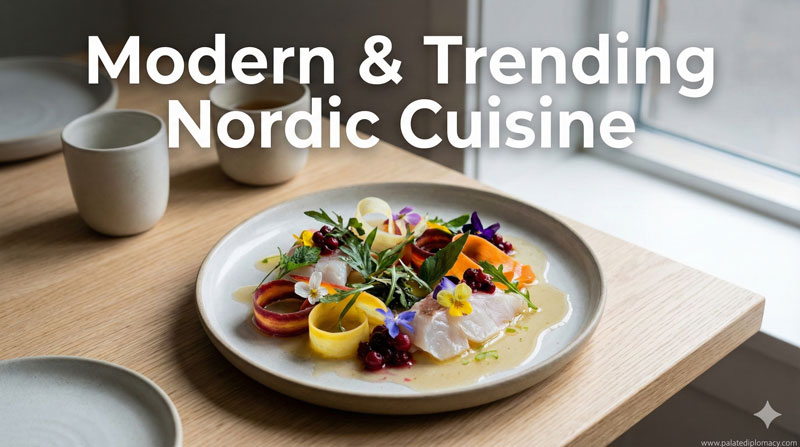
- A texture play with cured fish, herbs, and a bright, tangy sauce.
- A rye-based base topped with seafood, pickled vegetables, and a drizzle of cultured dairy.
- A vegetable-forward course that highlights foraged greens or root vegetables with a subtle smoky note.
Presentations favor clean lines and color contrasts. The plate becomes a quiet canvas where every component earns its keep. The result is elegant and accessible, inviting curiosity without overwhelming the senses.
How to savor contemporary Scandinavian dishes at home
If you’re new to this style, start with clarity and seasonality. Choose a simple fish, some rye bread, and a handful of fresh herbs. Cook with gentle heat to preserve the fish’s natural sweetness. Invite acidity with a light berry or citrus note. Keep the plate balanced, so no single element overpower the others. Above all, savor the interaction of flavors and textures. A well-composed plate tells a small story of place and care.
What this cuisine means for everyday dining
The beauty of contemporary Scandinavian dishes lies in their adaptability. Home cooks can recreate the spirit with humble ingredients and mindful technique. They encourage slower meals, thoughtful shopping, and an appreciation for seasonality. The cuisine also habits our senses to notice subtle contrasts—texture, temperature, and balance—so meals become more than sustenance; they become moments of calm joy.
Quick ideas to explore regional flavors
- Try a simple smoked fish with a yogurt-herb sauce and a rye crumble for texture.
- Pair roasted root vegetables with a light pickle and a dollop of cultured dairy.
- Create a small tasting course featuring seasonal greens, a berry accent, and a crisp grain base.
These ideas honor the style without requiring advanced techniques. They’re accessible and celebratory, perfect for curious cooks and busy days alike.
Conclusion
Everything You Need to Know About Contemporary Scandinavian Dishes invites you to see a kitchen as a place of refinement, warmth, and connection. The cuisine values season, locality, and thoughtful preparation. It welcomes home cooks and professional chefs alike to explore flavor with respect for ingredients and the craft of cooking. By embracing these dishes, you can experience a culinary world that feels bright, grounded, and beautifully simple. Open the door to Nordic-inspired plates and let the table tell its own quiet, inviting story.