
The Story Behind Ofada Rice, a Nigerian Food Favorite
Ofada Rice is more than a meal. It is a quiet chorus of farmers, cooks, and family tables. The dish invites us into a rhythm of life that values seasonality, care, and sharing. This post explores its cultural value and culinary significance. The rice itself is typically unpolished, carrying the natural texture of locally grown grain. Its presence on the table signals warmth, welcome, and a sense of home. In every mouthful, you sense the hands that planted, harvested, and prepared it with patience.
Roots in the Market and the Home
Many households in southwestern Nigeria grow and celebrate Ofada rice. The name comes from Ofada, a town in Ogun State, and the rice is closely tied to local markets and home kitchens. You will often find it in Sunday meals, family gatherings, and festive lunches. Its unpolished grain gives a nutty flavor and a hearty bite that white rice rarely offers. Communities trade this rice with care, storing it for meals that feel deliberate and comforting. In homes and markets, Ofada becomes a bridge between field and table, linking farmers, cooks, and families.
The Palette and The Sauce
The crown jewel of Ofada is its vibrant sauce. The pepper sauce is lively, glossy, and deeply fragrant. It blends fresh peppers, onions, and tomatoes with locust beans (iru) and rich palm oil. This combination creates a bold, smoky, and nutty backdrop that pairs perfectly with the rice. Locust beans add a savory depth, while palm oil provides a warm, reddish sheen. Some cooks add fish or meat for a heartier finish, but the core magic stays in balance and brightness. The color and aroma invite you to taste, inhale, and smile.
Texture, Aroma, and Cooking Techniques
Cooking Ofada rice honors its natural character. First, rinse the grains gently to clean the surface without stripping their identity. Next, parboil or steam to soften the husk while keeping the grains distinct. Then, simmer with ample water until the rice becomes fluffy and separate. The goal is a tender bite that still holds its shape. The sauce is prepared separately, then poured over or mixed in at serving. The result is a plate that feels carefully crafted, yet warmly familiar.
Serving Traditions: Family Tables and Small Gatherings
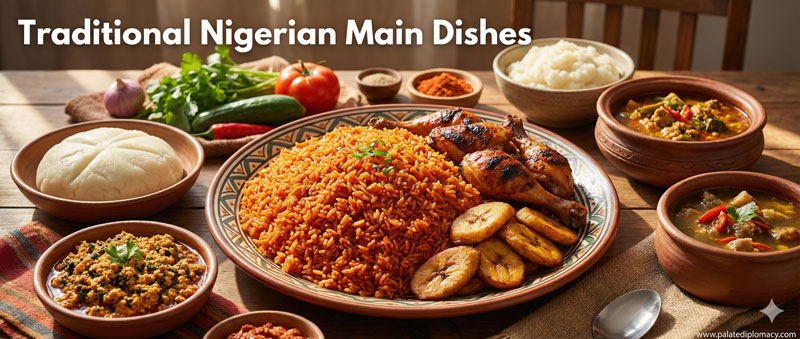
On a table, Ofada rice speaks softly of togetherness. It is commonly served with the flavorful Ofada sauce and a side that complements the dish—ripe plantains, sautéed greens, or a simple stew. The serving style encourages sharing and conversation, turning a meal into a small celebration. Families often prepare it for weekend lunches, inviting neighbors to join in the aroma and the joy. In many homes, the act of scooping rice, lifting the fragrant sauce, and tasting together becomes a small ritual of affection. The plate is not just food; it is a moment of connection.
A Dish of Community and Craft
The beauty of Ofada rice lies in its community craft. Farmers cultivate the rice in fields with care, while market traders bring it to tables with pride. The sauce relies on traditional ingredients, especially iru, whose fermentation offers a deep, comforting aroma. Women and men collaborate in kitchens and markets, turning simple ingredients into a memorable experience. The dish carries stories of seasons, harvests, and shared meals. Each bite honors a practice that values patience, skill, and hospitality.
Preserving Flavor and Looking to Tomorrow
Today, Ofada rice continues to charm both local and growing audiences. Chefs and home cooks explore flavors that respect tradition while inviting new textures and pairings. Some prepare lighter pepper sauces for everyday meals, while others keep the deeper, richer versions for celebrations. The rice remains a symbol of home cooking, seasonal freshness, and community care. As more people Discover Its warmth, Ofada rice welcomes new friends to the table, without losing the essence that Makes It special. Its enduring appeal lies in simple artistry, honest ingredients, and the generous spirit of those who prepare it.