
Introduction
Fried rice is a bright, beloved dish in Nigerian kitchens. It invites celebration, comfort, and shared moments around the table. This post explores why Nigerians cherish fried rice for its cultural value and culinary significance.
Beyond flavor, fried rice acts as a bridge between generations, styles, and everyday meals. It shows how simple ingredients can become a canvas for warmth, skill, and hospitality. The dish is a familiar friend at gatherings, a reliable staple on busy days, and a source of pride in home kitchens.
Cultural Value and Hospitality
In Nigeria, hospitality shines through the food you offer guests. Fried rice is often part of the welcome, signaling care and attention. The aroma alone conjures memories of family kitchens and friendly conversations. Serving fried rice communicates generosity and inclusivity, inviting others to share in a moment of togetherness.
The dish also marks occasions. From casual weekend visits to more formal celebrations, fried rice adapts to the moment. Its versatility mirrors the social rhythm of Nigerian life, where meals become rituals that honor guests and uplift spirits. In this way, fried rice is more than sustenance; it is a gesture of welcome.
The Culinary Craft: Techniques and Flavor
The craft of fried rice centers on texture and balance. Parboiled rice is kept separate during frying, so each grain shines. Onions, peppers, and aromatics release fragrance as they sizzle, guiding the senses toward the plate. Spices like thyme and curry powder add warmth without overpowering the core grain.
Color matters too. Carrots, peas, and bell peppers contribute brightness and crunch, while careful heat prevents mushy grains. The use of oil—often palm oil for color and depth—helps achieve a glossy finish and a satisfying mouthfeel. The result is a dish that feels both comforting and refined, a testament to careful technique and attentive timing.
A Canvas for Local Ingredients and Creativity
Fried rice welcomes local ingredients and personal twists. Chicken, fish, beef, or shrimp can accompany the grains, while vegetables tailor the dish to taste and season. Leftover rice becomes an opportunity to create something new, reducing waste and honoring resourcefulness. This flexibility celebrates creativity in the kitchen and a practical approach to cooking.
Seasonings and additions reflect regional preferences and family traditions. Some cooks finish with fresh herbs, a splash of stock, or a light kiss of chili for a gentle heat. The result is a dish that feels both familiar and open to personal expression—an edible portrait of home cooking.
Shared Meals, Festive Occasions, and Everyday Comfort
Fried rice shines in both everyday meals and special moments. It sits proudly on party tables, alongside soups and stews, offering a satisfying centerpiece. In more intimate settings, it accompanies a favorite sauce or protein, making a simple supper feel complete.
The dish also carries a social rhythm: friends and family gather, plates are shared, and stories flow with each bite. This communal aspect elevates fried rice from a meal to a memory in the making. Its presence at gatherings reinforces a sense of belonging and joy.
Regional Variations and Personal Touches
Across Nigeria, neighborhoods bring distinct touches to fried rice. Some kitchens favor lighter colors with more vegetables, while others embrace richer hues from deeper browns of palm oil. Regional pantry staples influence the choice of proteins and vegetables, giving each version its own character.
Personal touches—whether a favorite spice blend, a preferred protein, or a specific rice variety—help fried rice reflect a family’s culinary identity. This everyday variety showcases the dish’s adaptability and its ability to carry individual stories while remaining a unifying staple.
Sensory Celebration: Color, Aroma, Texture
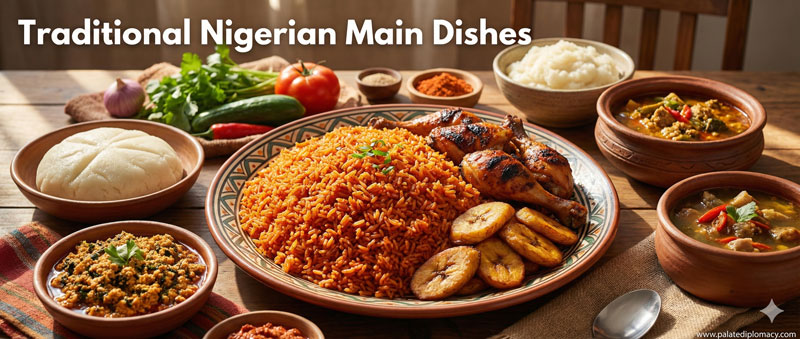
A well-made fried rice engages the senses. The aroma—layered onions, peppers, and spices—welcomes you to the table before the first bite. The grains should be distinct, not clumped, with a gentle crisp at the edges in places. The color—golden grains studded with orange, green, and red from vegetables—appears festive and inviting.
Texture plays a starring role. The contrast between tender rice and the occasional savory bite from protein or vegetables adds interest. This sensory balance makes fried rice a satisfying dish for all ages and appetites, reinforcing its place in everyday life and celebrations alike.
Conclusion: Why Fried Rice Holds a Special Place
The Top Reasons Nigerians love eating fried rice lie in its warmth, flexibility, and shared joy. It is a dish that welcomes guests, honors families, and adapts to countless tastes and occasions. With vibrant color, inviting aroma, and dependable texture, fried rice stands as a celebrated expression of Nigerian Food Culture—simple, soulful, and endlessly adaptable.