
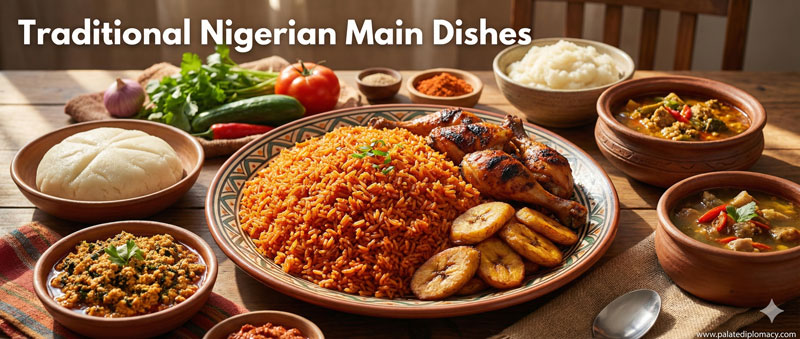
The Essence of Ofada Rice in Nigerian Kitchens
Ofada rice holds a special place in Nigerian kitchens. It is the term used for unpolished, fragrant rice that lends a warm glow to any plate. The aroma is earthy and nutty, inviting curiosity and comfort at once. Local farmers grow it on small plots, and families greet the harvest with care. In many homes, Ofada rice signals a meal made with attention, patience, and a touch of celebration. The dish is a bridge between field and table, turning simple grains into a shared moment.
Flavor, Texture, and Aroma: What Makes Ofada Unique
Ofada rice brings a distinctive texture and a vivid aroma. The grains stay pleasantly firm, yet they feel tender as you bite. The natural oils give a gentle gloss and a satisfying mouthfeel. in the pot, the scent rises with notes of earth, grain, and a hint of sweetness. This combination makes every bite feel grounded in tradition, while still feeling fresh and accessible.
The Preparation as Cultural Craft
Preparing Ofada rice is more than cooking; it is a small act of cultural craft. Rinsing, soaking, and parboiling are common steps, followed by careful steaming. The process is practical, but it also honors careful attention passed from one cook to another. Each household can imprint its own rhythm and warmth on the preparation, keeping the dish alive and personal. The method reflects a love of detail and a respect for the grain itself.
Ofada Sauce: The Heartbeat of the Dish
A true centerpiece to Ofada rice is the sauce. The sauce is rich and glossy, often built with palm oil, ripe peppers, and onion. Locust beans or other seasonings add depth and character. The color—deep orange to red—creates a striking contrast with the pale grains. The sauce elevates the dish, linking heat, aroma, and richness in every mouthful. Together, rice and sauce tell a complete story of flavor and balance.
Gatherings, Rituals, and Shared Meals
Ofada rice shines at family meals, market stalls, and community gatherings. It brings people to the table with a sense of warmth and welcome. The dish invites conversation, laughter, and the simple joy of sharing food. Its presence on the table often marks a moment of togetherness, where stories mingle with steam and scent. In this way, Ofada rice becomes a social thread, weaving kinship into everyday life.
The Everyday Story: From Markets to Home Tables
The journey of Ofada rice begins in local markets and small farms, then moves to home kitchens and dining rooms. It is a practical choice that still feels special. The dish is approachable for daily meals and fitting for weekend gatherings alike. Its versatility allows cooks to pair it with a range of herbs, vegetables, and proteins while keeping the core rice and sauce bright and true.
Innovation and Respect: Ofada in Modern Nigerian Cuisine
Modern Nigerian cuisine embraces Ofada rice without losing its essence. Chefs experiment with different sauces, presentation, and accompaniments, while preserving the dish’s core identity. Home cooks share tips that celebrate freshness, balance, and texture. This openness keeps Ofada rice growing in popularity and relevance, while staying rooted in tradition.
Conclusion: A Window into Nigerian Food Culture
Ofada rice is more than a meal; it is a window into Nigerian Food Culture. It blends aroma, texture, and community into a single plate. The dish honors the land, generous flavors, and the joy of sharing. By savoring Ofada rice, we celebrate the beauty of Nigerian kitchens—where simple grains become stories of family, care, and everyday grace.