
Introduction
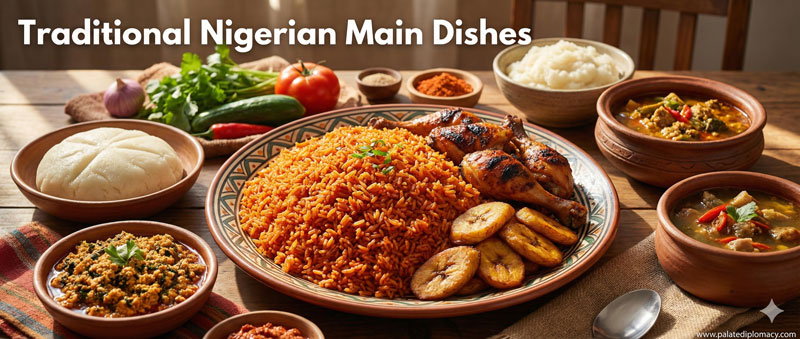
Jollof Rice in Nigerian cuisine is more than a dish. It is a warm welcome to the table, a bright thread in family meals, and a symbol of sharing and care. This one-pot wonder blends tomatoes, peppers, onions, and savory spices into a vibrant, comforting meal. In Nigerian kitchens, its popularity grows from countless small acts of cooking—parents teaching children, aunties passing down tips, friends swapping tweaks. The result is a dish that feels familiar and inviting, year after year.
The Core of Nigerian Jollof: Ingredients and Technique
The Heart of Nigerian Jollof lies in its tomato-pepper base. Fresh tomatoes or tomato paste mingle with red bell peppers or scotch bonnets to create a bright, slightly tangy sauce. Onions soften into sweetness, while garlic and a pinch of mixed spices add depth. Palm oil or another cooking oil gives a rich color and a mellow, round finish. The rice—often long-grain and parboiled—drains the grain in the sauce, so each spoonful carries fragrance and color. The technique is simple, yet precise: bloom the aromatics, simmer the puree until the flavors concentrate, then fold in the rice with just the right amount of liquid. The result is a dish that looks as warm as it tastes, inviting both the eye and the palate.
The Social Table: Food as Community
In Nigerian homes, Jollof Rice often appears at gatherings small and large. It sits at the center of Sunday lunches, celebrations, and casual weeknight dinners alike. The process invites shared work: one person stirs, another chops, a third tends the fire. This collaboration strengthens ties and creates a sense of belonging. The aroma travels through the house, signaling that a meal is ready to be enjoyed. In this sense, Jollof becomes a quiet thread that ties together family routines and social rituals, making ordinary days feel special.
Regional Voices: Lagos, Ibadan, Kano, Port Harcourt
Across Nigerian cities, Jollof takes on local character. In Lagos, cooks may emphasize a lively, pepper-forward brightness and a glossy finish. In Ibadan, the blend often leans toward a deeper, richer tomato sweetness and a balanced spice profile. In the north, cooks may adjust heat levels and notes of spice to suit local tastes, while still honoring the core tomato-base and rice pairing. In Port Harcourt, a touch of coastal influence can show through slightly different seasoning and a hint of smokiness. These regional voices enrich the dish, proving that a single recipe can reflect many kitchens while remaining unmistakably Nigerian.
Modern Twists, Timeless Core
Today, home cooks and chefs keep the essence of Jollof, but they also explore personal twists. Some add vegetables like peas, carrots, or sweet corn for color and texture. Others tuck in proteins—chicken, shrimp, or tofu—creating more substantial meals without losing the dish’s core harmony. Yet the original spirit remains: a bright, tomato-scented rice dish designed to be shared. Modern Adaptations preserve the balance of smoky, savory, and slightly sweet notes, ensuring Jollof continues to welcome all who gather around the table.
The Experience: Aroma, Color, Texture
The appeal of Nigerian Jollof rests on three senses. First, aroma draws you in—the perfume of tomato, onion, and pepper lingers as it simmers. Second, color captivates the eye: a glossy, coppery-red rice that invites the fork. Third, texture offers comfort—each grain stands separately with a tender bite, coated in a glossy sauce that clings just enough. The sensory mix makes Jollof not just a meal, but an experience that people remember and seek out again.
Pairings and Occasions
Jollof Rice pairs beautifully with a range of sides. A fresh vegetable salad, fried plantains, and a protein option create a balanced plate. Stews, pepper sauces, and light soups complement its richness without overshadowing it. As for occasions, Jollof shines at all kinds of gatherings—from casual family dinners to larger celebrations—because its flavor is universally inviting and its preparation accessible. The dish invites conversation, slow dining, and the simple joy of sharing.
Respectful Tradition and Everyday Beauty
The lasting charm of Jollof Rice in Nigerian cuisine is that it stays approachable while offering depth. It celebrates everyday cooking—learning, adjusting, and enjoying meals with loved ones. The dish serves as a reminder that food can carry meaning through repeated gatherings, familiar flavors, and the trust of a shared pot. In this way, Jollof becomes a cherished cultural practice, nourishing bodies and relationships alike.
Conclusion
Jollof Rice has earned its place in Nigerian cuisine through its bright flavors, flexible technique, and generous spirit. It is a dish that welcomes people to the table and invites them to linger over good conversation and great taste. Its cultural value lies in the joy of gathering, the care in preparation, and the timeless beauty of a meal made together. As it continues to evolve with new twists and personal touches, Jollof remains a bright, unifying thread in Nigerian culinary life.