
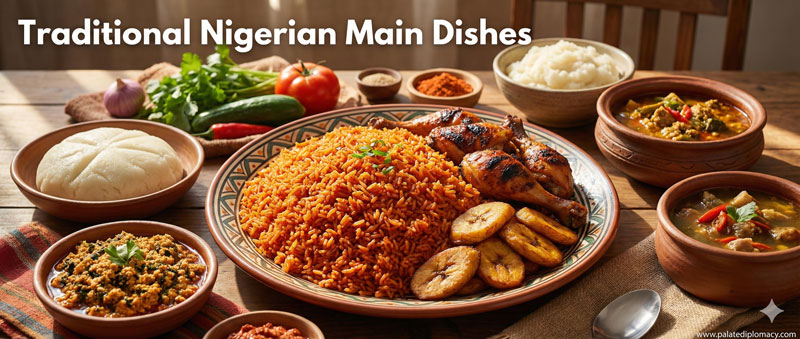
Introduction
This post invites you to explore The Story Behind Fried Rice, a Nigerian Food Favorite. The dish sits at The Heart of many kitchens, praised for its bright color, inviting aroma, and comforting taste. It is a celebration of everyday cooking that honors family, friends, and guests. By listening to its flavors, we hear a tale of warmth, hospitality, and shared meals.
The Core of Fried Rice
Fried rice begins with fluffy grains. Nigerian cooks often parboil long-grain rice, then separate the grains so they don’t clump. A tomato-onion base forms the color and depth, bright with red and orange hues. Garlic, peppers, and a pinch of thyme or curry powder wake the palate. Crayfish or light stock can add a gentle, savory whisper. Vegetables like peas and carrots join the mix, offering sweetness and crunch. Finally, proteins such as chicken, shrimp, or eggs complete the dish. Taken together, these elements create a harmonious balance between aroma, texture, and flavor.
A Festive Favorite
Fried rice shines at celebrations and everyday gatherings alike. It graces birthdays, family reunions, and weekend cookouts with a sense of welcome. The dish travels well from pot to plate, inviting everyone to share in the moment. Its preparation is often a collaborative ritual, with cooks guiding younger helpers and passing down tips and stories. The colorful presentation—golden rice, red peppers, green peas—adds a festive mood to any table. In this way, fried rice becomes more than a meal; it becomes a symbol of hospitality and togetherness.
Regional Notes
Across Nigeria, cooks adapt fried rice to local tastes. Some favor a richer tomato base and a touch more spice, while others lean toward lighter, fresher flavors with crisp vegetables. Eggs may be folded into the rice for added texture, or a few shrimp or chicken pieces may be woven in for protein and aroma. Green onions or scallions often top the dish, giving a fresh finish. Regardless of variation, the core idea remains: vibrant grains, a soulful sauce, and generous sharing.
Sensory Profile
The dish awakens the senses in layers. A simmering pan releases a warm, welcoming scent of onions and peppers. The color palette—sunny gold, ruby red, and lively green—pleases the eye. Each bite delivers a satisfying chew, a gentle chewiness from the rice, and a satisfying mix of savory notes from the spices and stock. The finish lingers with a light yet memorable warmth that invites another helping.
Crafting It at Home
To honor the dish’s cultural value at home, start with good rice: rinse well and drain to keep grains separate. Use a high-heat skillet or wok to achieve quick, even stir-frying. Build flavor first with the tomato base, then add aromatics and seasoning. Toss in vegetables and proteins toward the end to preserve brightness and texture. Finish with a quick rest off the heat to let flavors settle. Most of all, cook with attention and generosity, inviting loved ones to share in the process.
The Closing Taste
Fried rice is more than sustenance; it is a thread that ties kitchens, families, and moments together. Its beauty lies in simplicity, balance, and the joy of sharing a well-made plate. By savoring its flavors, we honor the culture that keeps this Nigerian favorite alive and flourishing.