
What Makes Fried Rice So Special in Nigeria
Fried rice in Nigeria is more than a dish. It is a warm invitation to gather, share, and celebrate. The pan comes alive with color, aroma, and rhythm. Each bite blends comfort with heart and pride. Cooks honor a timeless method, yet they leave room for personal touch. This dish feels like home in many kitchens across the country. It speaks to hospitality, creativity, and everyday joy.
Core Ingredients and Craft
Most cooks choose long-grain rice for its separation and shine. Parboiling helps grains stay distinct during the stir-fry. A bright base often starts with onions and bell peppers. Tomatoes or tomato paste offer a gentle, sunny tang. Carrots, peas, and green beans bring color and texture. Eggs add protein and a silky layer when folded through the rice. Meat, chicken, shrimp, or fish may join for variety. Finally, spices such as thyme and curry powder tie the flavors together. The technique matters as much as the ingredients. Fresh aromatics wake the pan first, then rice joins the sizzle. A quick stir-fry over high heat keeps the grains fluffy and glossy.
The Cultural Rhythm of Fried Rice
Fried rice often graces family tables and festive meals alike. It travels from home kitchens to neighborhood gatherings with ease. Sharing a large pot signals warmth and welcome. The dish becomes a thread that links cooks, families, and friends. Children learn to help in the kitchen, mixing, tasting, and serving. This shared practice builds memory and a sense of belonging. The aroma lingers and invites people to sit, talk, and enjoy together. In this way, fried rice becomes more than sustenance; it is social glue.
Regional Variations
Across Nigeria, cooks add their own regional stamp. Lagos kitchens may layer a bit more heat and brightness from peppers. In the south, palm oil can enrich the color and aroma. In central and northern areas, chicken, beef, or fish provide familiar protein cues. Some cooks fold in green peas, corn, or sweet peppers for extra sweetness. Each variant preserves the core technique while reflecting local tastes. The result is a family of dishes with a shared heart. This diversity shows the dish’s flexibility and its reach into many homes.
Texture, Aroma, and Visual Appeal
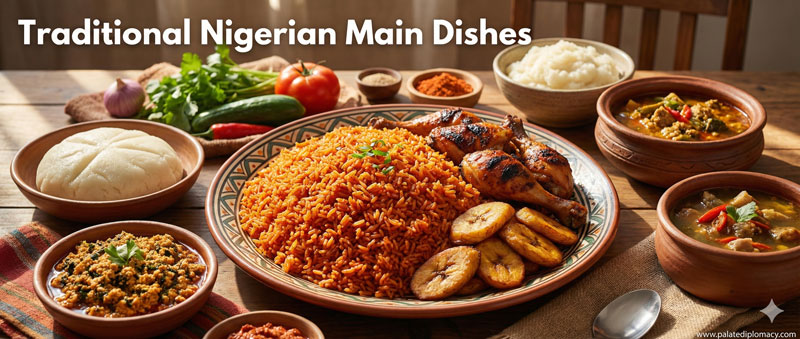
The beauty starts with the grains: light, separate, and slightly glossy. The surface should gleam with a gentle oil sheen. Onion and pepper release a sweet, savory perfume as they soften. A hint of spice lingers without overpowering the balance. The colors—golden rice, red peppers, green peas—make the dish inviting. The aroma often signals a gathering, not just a meal. This sensory blend draws people to the table with anticipation and smiles.
Serving and Pairings
Serve fried rice with fresh salad to balance richness. Plantains, fried or baked, add a sweet counterpoint. A grilled protein on the side complements the dish’s texture. A light squeeze of limebrightens flavors just before eating. Some enjoy a spoon of light sauce or a simple chili oil for warmth. The combination works well for everyday suppers and for celebrations.
Cooking Tips for Home Chefs
Use day-old rice when possible; it fries better and clumps less. Rinse rice lightly to remove extra starch, then drain well. Keep the pan hot and avoid overcrowding the rice. Layer aromatics first, then add the rice for even color. Stir continuously to encourage even heat and a glossy finish. Finish with a tiny drizzle of sesame oil or chopped herbs for freshness. Adjust salt and spice gradually to suit the crowd. Practice makes perfect, and each kitchen adds its own signature.
Conclusion
Fried rice holds a cherished place in Nigerian Food Culture. It blends technique, flavor, and community into a single, generous dish. The dish invites creativity while honoring tradition. Through its aroma, color, and warmth, fried rice celebrates togetherness. It remains a versatile, comforting favorite that many families return to with joy.