
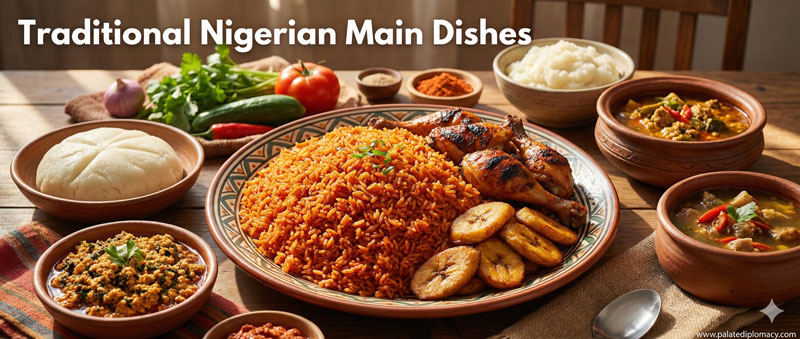
The Essence of Ofada Rice
Ofada rice holds a special place in Nigerian dining. It is warmly embraced for its humble beginnings and its bold, bright presence on the plate. The rice itself is typically unpolished, giving it a nutty aroma and a satisfying bite. When you pair Ofada with its signature sauce, you taste a celebration of local ingredients and careful technique. Nigerians choose Ofada rice for moments that feel intimate and festive alike, because the dish speaks to patience, craft, and shared joy.
This dish begins with the grain. The unpolished rice carries a natural fragrance that invites you to slow down and savor. In many homes, the first steam lifts the kitchen with a comforting, earthy scent. Then comes the excitement of the plate: a warm mound of rice crowned by a vibrant sauce that promises warmth and depth. The combination is simple in form, yet rich in character, and that balance is part of its enduring appeal.
A Colorful Companion: The Ofada Sauce
The Heart of Ofada rice is its sauce. The sauce blends palm oil, peppers, and tomatoes into a lively, ruby-tinted blanket that wraps every grain. Locust beans, known as iru, give the dish a deep, earthy umami that ties the flavors together. Crayfish or small dried fish add a hint of briny savor, while onions and spices carry the aroma forward. Some cooks enrich the sauce with meat or fish, but the base remains robust and bright on its own.
This sauce is expressive, yet approachable. The red oil sheen makes the dish immediately inviting, and the pepper blend delivers gentle heat that warms the palate without overpowering the rice. The result is a fragrant, full-bodied sauce that clings to each grain, ensuring every bite delivers a burst of flavor. In many kitchens, the sauce is prepared fresh, allowing cooks to adjust spice, salt, and texture to the moment. That immediacy is part of why Ofada rice feels so alive and comforting.
A Cultural Table: Shared Moments and Gatherings
Ofada rice is more than a meal; it is a signal of togetherness. Families gather to prepare it on weekends or for special occasions, and plates are shared with care. The dish often appears at large meals, where a big pot of sauce is ladled over steaming rice for everyone to enjoy. The social rhythm around Ofada highlights hospitality: a host presents the dish, friends and relatives serve themselves, and the table becomes a canvas for conversation and connection.
In markets and kitchens nationwide, the preparation of Ofada rice becomes a small ceremony. Market vendors supply the local rice and the key ingredients for the sauce, while home cooks bring their own twists—perhaps a touch more iru, perhaps a little more palm oil, perhaps a hint of smoked meat. These personal touches enrich the dish and reinforce its place in home life. The result is a dish that travels easily from everyday meals to celebrations, always maintaining its identity.
Texture and Taste: A Harmonious Balance
The texture of Ofada rice is one of its most appealing traits. The grains are plump, with a gentle chew that speaks to the grain’s natural character. The unpolished surface holds sauce in a pleasing way, giving each bite a cohesive feel. The taste blends nutty Rice notes with the bright, peppery bite of the sauce. The palm oil adds a smooth, silky mouthfeel and a warm finish, while the iru deepens the savor with a savory, almost toasted aroma.
This balance—nutty grain, bright pepper, and rich oil—creates a harmony that many diners describe as comforting and uplifting. It is a dish that can stand alone, yet shines when paired with beans, vegetables, or meat in small, thoughtful portions. The interplay of textures and flavors makes Ofada rice memorable long after the last bite.
Regional Pride and Local Craft
Ofada rice embodies regional pride in Nigerian culinary culture. The term “Ofada” often points to a tradition rooted in southwestern Nigerian farming and cooking practices. Smallholder farmers cultivate the grain with care, and local markets supply the peppers, iru, and palm oil that complete the dish. The result is a culinary craft that reflects community knowledge and daily ingenuity.
Cooks honor the rice by keeping preparation simple and respectful. They rinse gently, cook to the right tenderness, and finish the sauce with a careful balance of heat and aroma. This attentiveness preserves the essence of the dish while inviting innovation at the home kitchen. The culture around Ofada rice celebrates shared skill, patience, and pride in local ingredients.
Cooking as Expression: Why People Love It
People gravitate to Ofada rice for its honest, joyful flavor and the sense of place it evokes. The dish invites you to slow down, to notice the scent of palm oil and iru, and to appreciate the way each grain carries the sauce. It is a dish that rewards attentiveness: the rice must be tender yet firm, the sauce thick enough to cling, and the spice level balanced for broad enjoyment.
Moreover, Ofada rice stands as a bridge between generations. Younger cooks learn from elders How to blend traditional ingredients with modern preferences, while families pass down methods and stories of how the dish came to be. This transmission of knowledge strengthens cultural identity and keeps the love for Ofada rice flowing from one season to the next.
How to Enjoy Ofada Rice: A Gentle Guide
- Start with fresh, fragrant sauce and hot, steaming rice for the best aroma.
- Scoop a portion of the rice, then top with a generous spoon of sauce.
- Allow the sauce to settle into the grains, enhancing depth with every bite.
- Add a modest protein if you like, but let the rice and sauce remain the star.
- Share the plate with others; the act of serving and tasting together deepens the experience.
The beauty of Ofada rice lies in its simplicity and the warmth it brings to the table. It invites everyone to participate in a familiar ritual: cook with care, savor the aroma, and enjoy the company of family and friends.
A Lasting Flavor of Nigerian Food Culture
In the end, Ofada rice embodies a philosophy of Nigerian Food Culture that values locality, craft, and joy. Each bowl tells a story of farmers, markets, cooks, and families who choose to celebrate the day with a vibrant, comforting dish. The dish’s nutty grain, its bold sauce, and the shared moments around the table together paint a vivid picture of culinary heritage that Nigerians love to revisit and share again and again.