
Introduction
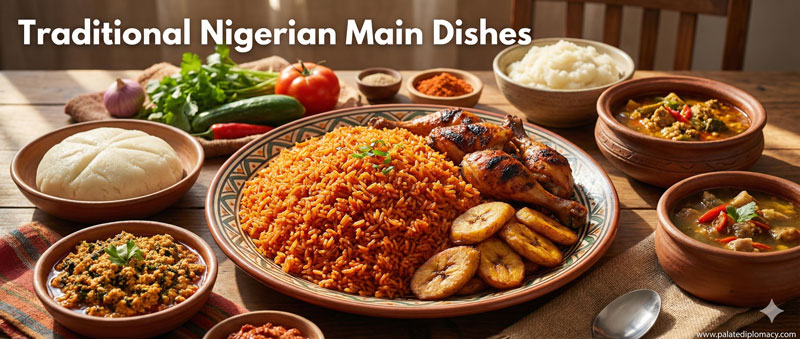
Jollof rice stands proudly at the center of Nigerian dining. It shines with a warm red glow and a welcoming aroma. This dish feels Like a hug on a plate. It brings people together, inviting conversation and shared enjoyment. In Nigeria, jollof is more than a meal; it is a celebration of skill, patience, and generosity. The way the pot steams, the way the sauce thickens, and the way the grains separate after a careful simmer tell a story of care and craft. If you listen closely, you can hear the sizzle and the soft clatter of bowls, a sign that a family meal is about to begin.
The Cultural Heartbeat of Nigerian Dining
Food in Nigeria carries memory and meaning. Jollof rice often marks daily life as well as special moments. It appears for birthdays, graduations, and weekend gatherings. It graces school canteens, street corners, and home kitchens alike. The dish is a thread that connects families, friends, and neighbors around a shared table. Its color, aroma, and flavor create a welcoming atmosphere. Because it travels well in a single pot, it becomes A Practical symbol of hospitality. With every spoonful, people tell stories, swap ideas, and enjoy a moment of togetherness. The dish adapts to mood and season, yet remains distinctly Nigerian in its heart and palate.
Key Ingredients and Techniques
The core of jollof rice is simple yet powerful. Long-grain parboiled rice, ripe tomatoes, peppers, onions, and flavorful oil come together to form a bright, silky sauce. The base often includes ground peppers and tomato paste, blended with spices such as thyme, bay leaves, curry, and sometimes a touch of nutmeg. The technique centers on building depth in layers: sautéing onions, then adding the blended tomato-pepper mix to simmer until it thickens, followed by adding stock and rice. The pot is watched closely, with heat adjusted for gentle, even cooking. When done, the rice glistens with a slight sheen and holds a comforting, cohesive texture. The aroma lingers long after the last bite, inviting a second helping.
Regional Variations Across Nigeria
Across regions, jollof rice offers delightful variations. In some kitchens, a hint of smoked flavor emerges from using grilled peppers or a touch of palm oil, which adds a warm, earthy note. Spicy fish or shrimp stock can deepen the finish, while others favor a milder, tomato-forward profile. The texture also shifts slightly: some cooks prefer a drier, separate-grain finish, while others savor a more saucy, cohesive pot. Different families may add herbs, scallions, or even fried onions as a bright finishing touch. Though the details differ, the core idea remains the same: a one-pot dish built on careful technique, bright color, and balanced seasonings. This shared approach highlights the culinary creativity found within Nigerian kitchens.
A Dish of Gatherings: Social and Family Value
Jollof rice often anchors social occasions. It is a centerpiece for gatherings, where people come together to share food and company. The act of serving from a single pot reinforces a sense of unity and inclusion. Families use the dish to welcome visitors, celebrate achievements, and honor memories. The fragrance invites conversation, laughter, and storytelling. In many homes, children learn by watching a seasoned cook stir, taste, and adjust seasoning. The dish thus passes from generation to generation, carrying tradition forward while inviting new twists. That communal experience is a core part of jollof’s charm and cultural value.
Serving, Pairings, and Everyday Joy
Jollof rice shines alongside a variety of sides. Fried plantains, known locally as ripe plantains, add a sweet contrast. A portion of fried fish or chicken often accompanies the meal, enhancing texture and savoriness. Fresh salads or simple vegetable sides balance the richness of the sauce. The dish also works beautifully with beans, prawns, or a bright squeeze of lime to lift the flavors. In many homes, a garnish of fried onions or chopped herbs adds a final touch of color. This versatility makes jollof a reliable choice for everyday meals and festive occasions alike, always inviting guests to enjoy more.
Tips for Getting It Right
To honor the dish, start with good ingredients and steady technique. Use stock or water that complements the sauce’s depth. Manage the heat so the sauce simmer thickens without scorching. Stirring at intervals helps prevent sticking and ensures even cooking. Taste as you go, adjusting salt, pepper, and herbs to balance the sweetness of tomato with the heat of peppers. Allow the rice to rest a few minutes after cooking; this helps the grains settle and improves texture. If you want a smoky hint, try a small amount of smoked paprika or a careful touch of char on the pepper blend. Small details, done with care, elevate the entire dish.
Final Thoughts
Jollof rice is a celebrated staple because it blends flavor, technique, and warmth into one inviting plate. It showcases Nigerian pride in everyday cooking and in moments of celebration alike. The dish honors hospitality, a key value in Nigerian life, by inviting everyone to share, listen, and enjoy. Its beauty lies not only in taste but in the social ritual it supports—the way a family or community comes together around a pot, smiles broadening as bowls fill. With every serving, jollof rice reinforces its place as one of Nigeria’s most loved dishes: a timeless, delicious emblem of culture and craft.