
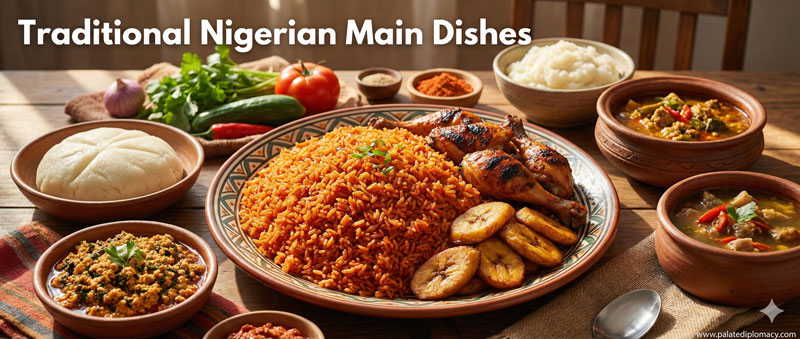
Introduction
Ofada rice, with its earthy aroma and glossy grains, sits at the heart of many Nigerian meals. This blog celebrates the dish by highlighting why it holds a special place in food culture. Here, the focus is on cultural value and culinary significance. The story of Ofada rice is a story of home cooking, shared tables, and the art of balance between grain and sauce.
What makes Ofada rice unique
Ofada rice is a Local, short-grain variety known for its unpolished look and nutty scent. It anchors meals with a sense of place and tradition. Chefs and home cooks favor it for its hearty texture and the warm glow of its color. The grain carries a rustic charm, inviting cooks to prepare something that feels both everyday and festive. Because Ofada rice is grown close to home in parts of southwestern Nigeria, it often arrives at the table fresh and with a story to tell about the land and the hands that tended it.
The texture and aroma that draw you in
The first encounter is tactile. When Ofada rice is cooked, the grains stand apart yet cling together just enough to offer bite and comfort. The texture is lush, with a pleasant chew that suits a rich sauce. The aroma is unmistakable: a toasty, earthy fragrance that signals a meal made with care. This scent threads through a kitchen, inviting smiles and lively conversations. In short, the grain itself is a celebration of simple, honest ingredients at work.
The heart of the dish: Ofada sauce
No discussion of Ofada rice is complete without the sauce that often accompanies it. Ofada sauce is a bold, peppery companion crowned with layers of flavor. It blends ripe peppers, onions, and a mix of local seasonings to create heat, brightness, and depth. The sauce often includes locally cherished items like palm oil for its vibrant color and a depth that lingers on the palate. Locust beans or other traditional accents add a savory, earthy note. The pairing of sauce and grain creates harmony: the sauce enhances the nutty grain, while the rice keeps the heat and aroma approachable. It’s a duo that feels both alive and comforting.
Celebrations and everyday moments alike
Ofada rice shines in both daily meals and special gatherings. It is a dish that fits a quiet family lunch as well as a larger, more festive table. The versatility of Ofada rice makes it a reliable choice for cooks who want a meal that feels warm and welcoming. When served at gatherings, it offers a shared experience: everyone lines up their plate, takes a generous helping, and enjoys the familiar aroma. This adaptability—turning a simple staple into a centerpiece—speaks to the cultural value placed on nourishment, hospitality, and togetherness.
A symbol of hospitality and shared meals
Across households, Ofada rice is a symbol of hospitality. It invites guests to slow down and savor. The act of serving Ofada rice becomes a gesture of care: the host presents the dish, the aroma invites conversation, and the table becomes a space for connection. The dish supports the idea that food is a bridge between people, a way to welcome others into a home or a moment. In this sense, Ofada rice is more than sustenance; it is a ritual of sharing and warmth.
How to enjoy Ofada rice at home
To experience its full charm, start with quality rice and a sauce that speaks to your palate. Rinse the rice gently, then cook it until the grains are tender and separate. Pair it with Ofada sauce while it’s still warm to preserve aroma. Add accompaniments you enjoy, such as fresh herbs, slices of protein, or a bright vegetable side, to balance the richness. Serve with a bright beverage and allow the table to become a place for conversation and comfort. The joy of Ofada rice grows when the meal is prepared with intention and shared with people who matter.
The beauty and craft behind the dish
Beyond taste, Ofada rice embodies craftsmanship. Farmers, processors, and cooks collaborate to bring a dish that feels both simple and refined. The beauty lies in the balance: a sturdy grain that accepts bold sauce, a fragrance that lingers without overpowering, and colors that invite the eye. This dish teaches appreciation for ingredients, patience in cooking, and the joy of presenting a meal that honors tradition while inviting every guest to participate in the experience.
Conclusion: A cherished thread in Nigerian food culture
Top reasons Nigerians love eating Ofada rice flow from its culture and culinary craft. It offers a way to celebrate home, craft, and community through a single, satisfying meal. The dish invites us to slow down, savor flavor, and share a table with warmth and respect. In Ofada rice, we find a faithful expression of Nigerian food culture: grounded in tradition, vibrant in taste, and generous in spirit.