
Why Jollof Rice Is One of Nigeria’s Most Loved Dishes
Jollof Rice shines in Nigerian kitchens because it blends warmth, color, and scent into a single, inviting meal. The dish carries memories of family gatherings, festive lunches, and daily comfort. It invites conversation and sharing, turning a simple plate into a moment of connection. When people gather, a pot of Jollof invites everyone to participate: to stir, to taste, to celebrate the flavors that come from simple, bright ingredients. This accessibility and generosity explain why Jollof Rice holds a special place in Nigerian Food Culture.
The Heart of Nigerian Flavors: Ingredients and Technique
The foundation is bright, ripe tomatoes blended with peppers and onions. This base becomes the sauce that coats each grain of rice. Next, cooks heat oil, then lightly fry the aromatics to release aroma and depth. Then comes the tomato base, simmered until it thickens and sings with acidity and sweetness. Finally, rice is added with broth or water, and the pot rests on a gentle simmer until the grains absorb flavor and stay fluffy. Common seasonings—garlic, thyme, bay leaf, and a touch of curry or paprika—offer a balanced kick rather than heat alone. Some cooks use palm oil for a richer, smoky edge, while others opt for vegetable oil for a cleaner finish. In every version, the technique emphasizes patience: allow the sauce to thicken, then fold in the rice so every grain rests in a flavorful embrace.
A Sensory Symphony: Taste, Aroma, and Texture
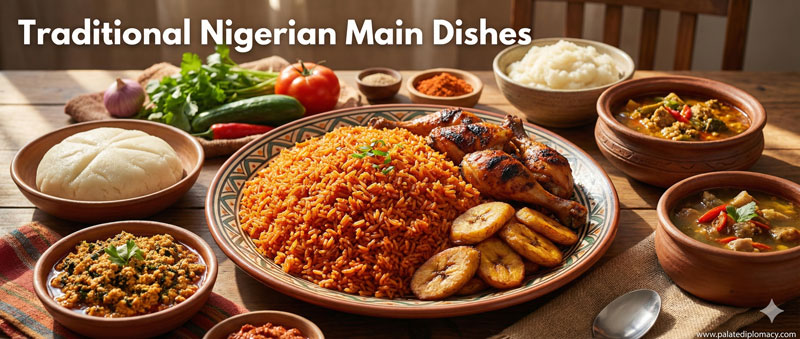
Jollof Rice delivers a vibrant red-gold hue that signals its lively flavor. The aroma greets you first—a medley of roasted peppers, ripe tomato, and warm spices. On the palate, the dish offers a harmonious balance: tangy tomato, savory stock, and a gentle heat that lingers just enough to notice without overpowering. The rice grains stand apart yet stay tender, absorbing sauce without becoming mushy. Each bite blends sweetness with a faint, comforting savoriness. This sensory mix makes Jollof both familiar and exciting, a dish that rewards careful preparation and attentive cooking.
Cultural Value: Shared Meals, Family, and Celebration
Jollof Rice embodies togetherness. Families prepare it for Sunday meals, birthday gatherings, and community celebrations. A pot of Jollof often becomes the centerpiece around which stories are shared and generosity flows—plenty of sides, sauces, and proteins accompany it. Cooks pass down tips and tricks from one generation to the next, refining the balance of tomatoes, spices, and rice over time. The dish also travels through neighborhoods, where friends trade ideas for perfect texture and depth. In this way, Jollof Rice acts as a bridge between home kitchens, markets, and social occasions, reinforcing a sense of belonging in Nigerian food culture.
Regional Varieties and Expressions
Across regions, Jollof Rice wears subtle regional expressions. Some cooks favor a slightly smokier finish with charred tomato edges, while others lean toward a brighter, tomato-forward sauce. Variations appear in the proteins served alongside it—grilled chicken, fish, beef, or a simple vegetable mix—yet the core remains the same: a tomato-based, one-pot dish that brings people together. In Lagos, cooks may lean into a robust, party-ready flavor with bolder seasonings; in other areas, a lighter, cleaner tomato profile may prevail. Despite these differences, each version celebrates nourishment, color, and the joy of sharing a meal.
The Culinary Significance in Nigerian Cuisine
Within Nigerian cuisine, Jollof Rice stands as a quintessential example of how simple ingredients can create depth and delight. It showcases balance: acidity from tomatoes, richness from oil and stock, and warmth from spices. The dish illustrates practical culinary skill: layering flavors, managing heat, and achieving an even texture. It also highlights cultural improvisation, where cooks adapt to available ingredients while preserving the dish’s core identity. Copybooks and family kitchens alike honor Jollof Rice as a staple that teaches technique, patience, and generosity.
Pairings, Serving Ideas, and Occasions
Serve Jollof Rice with bright, fresh sides to heighten the dining experience. Fried plantains add a sweet contrast, while a crisp salad or coleslaw brings freshness to the plate. A simple pepper sauce or a light vinaigrette can provide a zesty balance. For occasions, treat Jollof Rice as a crowd-pleaser: Sunday lunches, birthday parties, and family reunions all benefit from its inviting presence. Cooks often present it in large bowls or shared platters, inviting guests to scoop and mingle, which enhances the communal atmosphere that makes the dish so beloved.
How to Cook a Beautiful Jollof Rice: Quick Tips for Success
- Start with a bright tomato-pepper blend to create a vivid base.
- Cook the base slowly, allowing the flavors to concentrate before adding rice.
- Use a stock or broth that harmonizes with the tomatoes for depth.
- Add rice and simmer gently; avoid stirring too vigorously to keep grains separate.
- Finish with a touch of fresh herbs or a light squeeze of lemon for brightness.
- Taste and adjust salt and heat gradually to achieve balance.
These steps help ensure a glossy, flavorful pot that feeds and delights.
A Welcoming Invitation to Explore
Jollof Rice invites curiosity and care in the kitchen. Its beauty lies in how straightforward ingredients transform into something festive and deeply comforting. The dish honors Nigerian culinary heritage by keeping techniques approachable, yet encouraging personal touches. As you cook, you join a long line of cooks who value nourishment, hospitality, and shared moments around the table. In this way, Jollof Rice remains a living expression of culture, flavor, and community.