
The Story Behind Ofada Rice
Ofada rice stands as a Nigerian treasure rooted in Ogun State. Local farmers grow a fragrant, unpolished grain that cooks quickly and holds its bite. The dish symbolizes home cooking, warmth, and a table shared with friends and family. The name “Ofada” echoes from village markets and kitchen counters, where cooks tune the balance of heat, starch, and aroma. Communities pass down techniques and timings, so each family adds its own distinctive touch while honoring the core flavors.
The Rice: A Local Variety
Ofada rice is typically less milled, retaining a touch of bran. This gives it a nutty flavor and a comforting aroma. When rinsed and boiled, the grains stay separate and tender. The color shifts from pale to a warm golden hue as it cooks. The texture invites gentle bites and long, relaxed meals. By choosing this grain, cooks celebrate local farming and the honest taste of the soil.
The Sauce: Ofada Pepper
The signature sauce blends red pepper, onions, and palm oil to a glossy, bright-red glaze. Locust beans (iru or ogiri) add depth, a savory note that lingers. Meat or fish may join the sauce for heartier meals, but the core remains a vibrant pepper base. The sauce invites a satisfying heat without overwhelming the rice, letting each grain carry its own bright essence. Together, rice and sauce create a harmony that feels celebratory and comforting.
How It Is Made: A Simple Process
Rinse the rice to clean dust, then cook in seasoned water until fluffy. In a separate pan, sauté onions, peppers, and spices. Add palm oil for color and a gentle sweetness. Stir in locust beans, letting their aroma rise through the kitchen. When the sauce thickens, pour it over the hot rice and serve with plantains or beans on the side if desired. The result is a bright, comforting dish that shines on any table and invites second helpings.
Cultural Significance at the Table
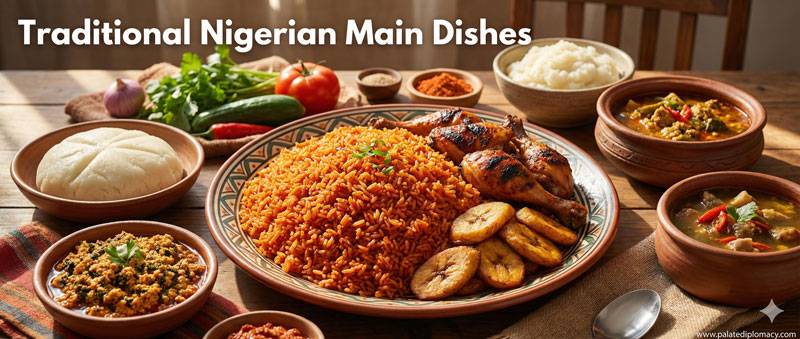
Ofada rice invites conversation. People gather around a central platter or large plate to share bites, smiles, and stories. The colors—red sauce, golden rice, and green herbs or vegetables—make the table feel festive. Each serving demonstrates care and hospitality, turning a simple meal into a memorable moment. The dish helps families mark everyday joy and special occasions with warmth and togetherness.
Serving Traditions and Pairings
Common pairings include fried plantains, boiled eggs, or protein-rich sides. A small pepper sauce can be kept on the side for guests who like extra heat. The meal travels from stove to table quickly, so conversations begin even before the first bite. This ease is part of its charm, making Ofada rice accessible for weeknight dinners and weekend gatherings alike.
Why Ofada Remains a Nigerian Favorite
Its aroma and texture invite praise in every kitchen. Its bright color elevates ordinary days into celebrations. The dish expresses local farming pride, thoughtful preparation, and a sense of belonging at the table. It remains A Beloved staple for gatherings, family dinners, and weekend meals, reminding everyone that good food fosters connection, care, and joy.