
Top Reasons Nigerians Love Eating Fried Rice
Fried rice in Nigeria is more than a meal. It is a warm invitation to gather, share, and celebrate. The dish blends color, aroma, and texture into a single, satisfying experience. Its popularity rests on both cultural value and culinary technique, passed from one kitchen to another with care and pride. This post explores the beauty of fried rice and its place in Nigerian Food Culture.
A Colorful Symbol on Nigerian Tables
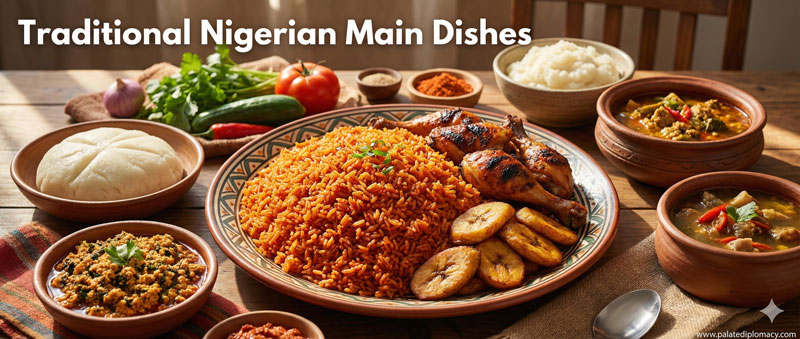
Color speaks before taste in many Nigerian homes. Fried rice offers a bright palette: the ruby hue from tomato and pepper, the glossy sheen from oil, and the greens and oranges of peas, carrots, and peppers. These colors mirror the joy of hospitality, where meals greet guests with generosity. The dish’s visual appeal makes it a centerpiece at celebrations and a comforting sight on everyday table settings alike. The color journey also signals seasonality—whatever vegetables are fresh can join the mix—highlighting the seasonality of a home kitchen.
The Flavor Matrix: A Dance of Aromas
Flavor in Nigerian fried rice comes from a well-balanced blend of aromatics and seasonings. Onions, garlic, and peppers create a warm base. A hint of curry powder, thyme, and seasoning adds depth without heaviness. Tomato paste or fresh tomato brings brightness, while a touch of palm oil or vegetable oil contributes richness. When proteins are added—shredded chicken, shrimp, or bits of beef—the dish gains savory complexity and a familiar, comforting character. Even when prepared as a simple vegetarian version, the combination of vegetables, spices, and rice sings with a recognizable Nigerian charm: a memory of busy markets, family kitchens, and quick, satisfying meals that feed many.
The Technique Behind Light, Separate Grains
A key reason fried rice earns constant praise is the texture. The technique centers on achieving light, separate grains rather than a clumpy mass. Cooks parboil long-grain rice until it is just tender, then spread it out to cool. This step helps the grains stay distinct when fried. In the pan, onions soften, then rice meets the hot oil with a quick sizzle. Tomato sauce or paste is stirred in to color and flavor, and vegetables join the mix for brightness and bite. Finally, the dish is finished with chosen proteins and a final toss to marry flavors. The result is grains that are tender but firm, each bite carrying a balance of softness and character.
Gatherings, Hospitality, and Shared Moments
Fried rice shines in social settings. It is a dish that travels well from kitchen to kitchen, often prepared in larger batches for families and guests. It invites discussion about tweaking flavors, swapping proteins, or adjusting spice levels to suit the group. Cooking fried rice becomes an act of hosting—an expression of care and inclusion. When friends and relatives sit together to eat, the dish becomes a thread that ties conversations, laughter, and memories. In this way, fried rice embodies Nigerian hospitality—every plate a gesture of welcome.
Regional Twists and Personal Touches
Across Nigeria, cooks adapt fried rice to local tastes and available ingredients, creating a family of versions rather than a single recipe. In some homes, palm oil gives a reddish tint and a distinct aroma; in others, vegetable oil yields a lighter finish. Proteins shift with what’s on hand: diced chicken, smoked fish, prawns, or canned meats. Vegetables range from peas and carrots to green beans and sweet corn, and some cooks add bell peppers for extra color. The spice mix itself can vary—from a gentle kiss of curry to a bolder blend of thyme and paprika. Each variation preserves the core idea—rice that’s fried with flavor, warmth, and balance—while telling a personal story of home cooking.
Pairings and Serving Traditions
What accompanies fried rice matters nearly as much as the dish itself. A fried egg perched on top is A Beloved finishing touch in many homes, signaling a complete, satisfying plate. Side dishes like fried plantains, sautéed vegetables, or a simple tomato-onion relish complement the main with contrasting textures and flavors. Some families serve fried rice with a crisp, fresh salad to add brightness, while others enjoy it with a tangy sauce on the side. The serving ritual—sharing a large tray or plating family portions—reinforces togetherness and communal eating, which are central to the dish’s cultural role.
The Everyday Hero of Nigerian Kitchens
Beyond celebrations, fried rice is a workhorse in Nigerian food culture. It adapts to busy days: versatile, quick to prepare after market runs, and forgiving enough to accommodate leftovers. The dish demonstrates how Nigerian cooks use technique and flavor to turn simple staples—rice, vegetables, and pantry spices—into something comforting and memorable. In this way, fried rice embodies resilience and creativity, offering nourishment and joy with every serving.
Conclusion: A Dish that Celebrates Life
Top Reasons Nigerians Love Eating Fried Rice converge on hospitality, texture, color, taste, and adaptability. It is a dish rooted in family kitchens and shared meals, yet flexible enough to honor personal tastes and local ingredients. The result is more than nourishment; it is a cultural expression that welcomes, sustains, and delights. When you taste fried rice, you taste a tradition of care, community, and culinary artistry that makes Nigerian food culture warm, inviting, and endlessly interesting.