
Everything You Need to Know About Ofada Rice
Ofada rice is more than a dish; it is a gentle celebration of taste, craft, and home cooking. It invites you to slow down and savor a moment of shared goodness. This post explores its cultural value and culinary significance, from the grain to the table.
What is Ofada Rice?
Ofada rice is a fragrant, locally grown Nigerian rice variety. It is typically unpolished, with a natural brownish hue and a distinct aroma. Smallholder farms in Ogun State and nearby regions are known for producing it, though you may find Ofada rice in markets across the Southwest. The grains hold their shape well when cooked, offering a pleasing chew and a nutty, earthy note. The beauty of Ofada lies in its simplicity: honest ingredients, careful handling, and a results-driven, communal way of eating.
The Rice Itself: What Makes Ofada Special
What Makes Ofada rice stand out is not only the grain but the experience it brings. The unpolished, bran-rich exterior carries fiber and a gentle, toasty fragrance. When cooked, the rice releases a warm, comforting scent that echoes sun-warmed fields and family kitchens. The texture tends to be slightly springy, not mushy, which makes it ideal for sauces that cling to every grain. Its natural oils add depth, giving each bite a lingering, satisfying finish. In households, this rice is seen as a humble treasure, valued for its aroma as much as its texture.
The Sauce and Its Significance
Ofada rice shines when paired with its signature sauce, often called Ofada sauce or red pepper sauce. The sauce blends roasted peppers, tomatoes, onions, and a generous splash of palm oil, which lends a bright, orange-red glow. A key flavor booster is locust beans, known in Yoruba as iru. The beans lend a savory, slightly nutty note that rounds out the sauce. Some cooks also add fish, meat, or offal for depth, but The Heart of the sauce remains the peppers, palm oil, and iru. The result is bold, complexity-rich, and deeply comforting. Serving Ofada sauce alongside the rice creates a harmony of spice, oil, and depth that many households return to week after week.
How Ofada Is Shared: Traditions and Gatherings
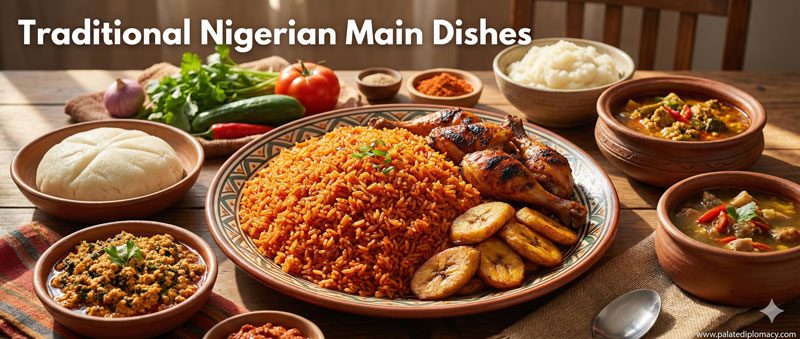
In many Yoruba kitchens, Ofada rice is linked to gatherings and shared meals. Families prepare it for weekend lunches, Sunday gatherings, or celebratory moments with friends and neighbors. The dish invites collaboration: rinsing, rinsing again, cooking, and then assembling plates together. The aroma fills the room and signals a space of welcome. Plating is often simple and generous, with rice mounded beside a generous helping of sauce and a side of greens, plantains, or fried fish. This practice reinforces community bonds and offers a sensory link between generations, from elders who recall prep routines to younger cooks learning each step by heart.
Pairings and Serving Styles
Ofada rice pairs beautifully with a variety of accompaniments. A classic plate includes:
- Ofada sauce, spooned over the grains
- Fried plantains for a sweet contrast
- Steamed or sautéed greens for color and balance
- Grilled or fried meats or fish for protein and texture
The combination is both vibrant and comforting, inviting you to savor contrasts—spice and sweetness, softness and bite, earthiness and brightness. The dish adapts to many occasions, from casual weeknight meals to more festively set tables.
Cooking Tips for a True Ofada Experience
To capture the essence of Ofada rice at home, try these practical steps:
- Start with quality Ofada rice. Look for a fresh, aromatic, brownish grain with visible polish on the bran.
- Rinse the rice gently to remove surface dust, then soak for about 20-30 minutes. This helps the grains soften evenly.
- Use ample water during cooking and allow the rice to absorb it gradually. A common approach is to boil the rice until tender, then drain any excess liquid and let it steam off the heat for a few minutes.
- Keep the sauce separate until serving. A hot, bright sauce poured over the grains just before eating preserves aroma and texture.
- Finish with a light touch of palm oil in the sauce for a glossy, rich finish and a vivid color.
With these steps, you can recreate the signature balance of Ofada—fragrant rice and a bold, peppery sauce that clings to every grain.
Choosing and Preserving Ofada Rice
When selecting Ofada rice, consider these tips:
- Look for a fragrant, nutty scent and a natural brown color with visible bran.
- Check for uniform grain size and a few darker specks that indicate authentic processing.
- Store uncooked Ofada rice in a cool, dry place in an airtight container. It keeps well for several weeks.
- Cooked leftovers should be refrigerated promptly and enjoyed within a few days for best texture and flavor.
A Cultural and Culinary Celebration
Ofada rice embodies a rooted sense of place and craft. It celebrates small farms, local markets, and the teamwork of family kitchens. The dish offers a moment to honor simple ingredients and the skill that goes into transforming them. Its aroma, color, and texture invite conversation and shared delight, turning ordinary meals into memories. Whether you are tasting it for the first time or revisiting a familiar favorite, Ofada rice remains a warm invitation to community, tradition, and the quiet beauty of well-made food.