
What Is Ofada Rice?
Ofada rice is a cherished Nigerian dish built on a simple idea: celebrate homegrown grains with a vibrant, peppery sauce. The rice itself is a Local variety, typically grown in small farms and often sold in its natural, lightly polished form. This gives Ofada rice a warm, earthy color and a nutty aroma. When you cook it, the grains stay distinct and glossy, inviting the senses to linger. The dish is not just about the grains; it centers on a bright, spicy sauce that coats every kernel in a lively, fragrant layer. Together, they create a meal that feels both familiar and festive, a staple that many households return to with joy.
Colors, Texture, and Aroma
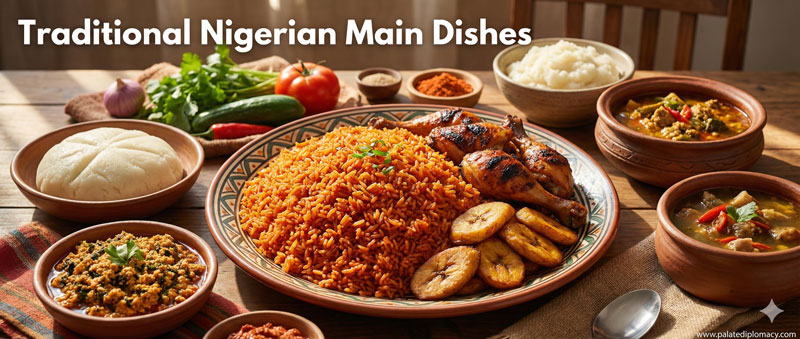
First, the visual appeal draws you in. The rice presents a rich brown hue, signaling its natural, unpolished origin. The sauce adds a pop of red and orange from peppers and tomatoes, while green herbs brighten the plate. The texture offers a pleasant contrast: firm grains that yield to a soft, saucy coat. The aroma completes the experience. Spiced peppers mingle with onions, palm oil, and locust beans, releasing a warm, inviting fragrance. This scent announces hospitality and a desire to share a good meal. In short, Ofada’s beauty lies in its balance—earthy rice, fiery sauce, and a bouquet of fragrant ingredients that together celebrate Nigerian cooking.
The Making: Simple Ingredients, Rich Flavors
The core ingredients are straightforward, but they yield depth in every bite. Ofada rice forms the heart, paired with Ofada sauce, a pepper-based relish that carries onion, tomato, and local spices. Locust beans, known as iru, add a subtle, savory note that many households treasure. Palm oil lends a glossy sheen and a gentle fruitiness that ties the dish together. Meat or fish can be added for richness, while fried plantains provide a touch of sweetness. The preparation emphasizes rhythm and care: rinse the rice, partially parboil, then steam until tender. The sauce simmers slowly to bloom its flavors. The result is a dish that feels bright and communal, inviting you to savor each component while appreciating how they harmonize.
A Dish of Family and Community
Ofada rice shines when shared. In many homes, preparing Ofada is a moment of togetherness. Family members may take on different tasks—washing, boiling, sautéing, and garnishing—each step contributing to a shared experience. Markets become stage for aroma and color as vendors offer fresh peppers, iru, and palm oil. The dish often graces Sunday meals, family gatherings, and celebratory events, where the act of serving becomes a gesture of welcome. The pleasure comes not only from eating but also from the ritual of serving and the stories that accompany it. Sharing Ofada rice communicates care, warmth, and a sense of belonging, which are central to Nigerian Food Culture.
Ofada Rice in Nigerian Food Culture
This dish stands as a bright thread in the tapestry of Nigerian cuisine. It embodies a culture of resourcefulness and tenderness: using locally grown grains, bright peppers, and traditional seasonings to create a bold, satisfying meal. Ofada rice connects generations through recipe memory—grandparents teaching grandchildren how to balance heat with aroma, how to treat iru with respect, and how to serve the dish with intention. It also highlights hospitality as a daily practice. A well-prepared plate invites conversation, laughter, and shared appreciation for good food. In this way, Ofada rice is more than nourishment; it is a cultural touchstone, marking occasions and ordinary days alike with a generous, comforting flavor.
Regional Variations and Chef Creativity
Across regions and homes, cooks put their personal stamp on Ofada rice. Some keep the sauce fiery and pepper-forward, while others soften the heat for a broader audience. The choice of protein—meat, fish, or a hearty bean accompaniment—adds regional nuance. Garnishes vary as well: fried onions, sliced peppers, or a handful of chopped herbs can accent the dish. Even the rice’s finish changes with technique; a final, gentle drizzle of palm oil or a touch of heat from fresh pepper can lift the entire profile. This flexibility celebrates Nigerian culinary creativity while staying anchored in a shared tradition. It is encouraging to see chefs and everyday cooks experiment, maintaining the core identity of Ofada rice while inviting new textures and flavors to the table.
Serving Traditions and Pairings
A well-composed Ofada plate feels balanced. Plate the rice first, then spoon generous portions of the sauce on top. A side of protein or beans complements the dish, while plantains add a sweet contrast. Some diners enjoy a crisp, bright salad or a simple greens stew to accompany the meal, letting the flavors breathe. The serving method reinforces hospitality: plates are shared, conversations are sparked, and the meal becomes a small celebration of local farming, culinary skill, and community spirit. The straightforward pairing of Ofada rice with a rich pepper sauce demonstrates how Nigerian cuisine blends intensity with approachability, inviting everyone to participate in the feast.
A Taste of Nigerian Heritage
In the end, Ofada rice offers more than a satisfying taste. It provides a window into a way of cooking that honors local ingredients, steady technique, and generous sharing. The dish invites you to notice the warmth of palm oil, the brightness of peppers, and the earthy promise of unpolished grains. It teaches patience and joy—the patience to simmer a sauce until its flavors bloom, the joy of serving a meal that brings people together. For many, Ofada rice is a favorite memory, a daily delight, and a symbol of Nigerian food culture’s vitality and beauty.
A Final Note: Embracing the Flavorful Story
If you approach Ofada rice with curiosity and care, you will discover a dish that speaks softly but resonates deeply. It blends land, harvest, and kitchen into a single, comforting experience. The beauty of Ofada rice lies in its harmony: bright sauce meeting hearty grain, simple ingredients meeting careful technique, and a spirit of hospitality meeting everyday life. This is food that welcomes you to a larger story—one of texture, color, aroma, and a shared table.