
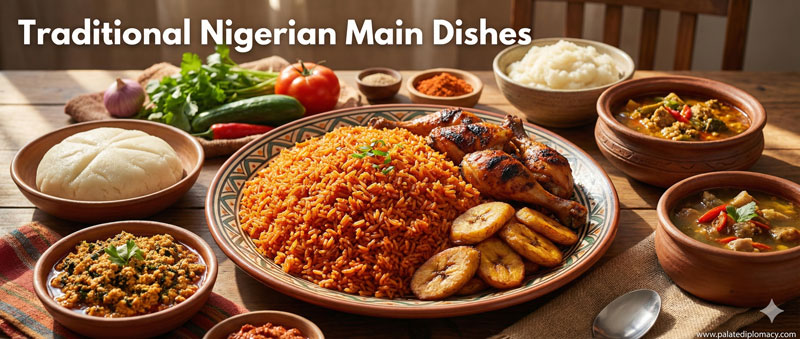
Introduction
Fried rice is a bright, inviting staple in Nigerian kitchens. It shines at family meals and at gatherings, where its warmth mirrors the welcome of the hosts. This dish is a celebration of everyday ingredients transformed by skill and care. The story of Nigerian fried rice lives in the aroma of onions and peppers, the sparkle of green peas, and the sight of golden grains piled high. It is a dish that invites sharing and makes everyone feel cared for.
The Flavor Map of Nigerian Fried Rice
The Heart of Nigerian fried rice is the rice itself, often long-grain and parboiled for texture. Cooks aim for fluffy, separate grains rather than clumps. Beyond the rice, color and contrast matter: bright carrots, sweet peas, and crunchy peppers bring life to the plate. Aromatics such as onions, garlic, and fresh herbs lead the way. Flavor boosters like curry powder, thyme, and a touch of paprika add warmth without overpowering. A well-made fried rice balances savory stock, a hint of smokiness from the pan, and a gentle sweetness from vegetables. Protein is flexible—shredded chicken, chopped beef, shrimp, or a combination can join the mix. This flexibility makes the dish a reliable canvas for home cooks.
Core Techniques that Define It
The craft begins with the rice. Parboiling firms the grains, then cooling them helps prevent clumping. A hot pan, a steady sizzle, and careful stirring keep every grain distinct. Start with onions and garlic to create a flavorful base. Add vegetables for color and nutrition, then fold in the rice and stock to bring depth. Do not hurry this step; give the flavors a moment to mingle. Finally, fold in peas, carrots, and any protein at the end to maintain texture and vibrancy. The result is a dish that looks inviting and tastes balanced—savory, bright, and satisfying.
Cultural Significance at Gatherings
In Nigeria, fried rice often marks moments of togetherness. It appears at birthdays, weddings, holidays, and celebratory meals. Hosts use it to show generosity, offering generous portions that invite seconds and thirds. The dish travels well—from the kitchen to the dining room table—yet it always feels personal, because a home cook’s touch shapes its aroma and texture. Sharing a tray of fried rice can symbolize welcome, care, and communal joy. The dish also adapts to the season: lighter versions in warm months and richer versions when peppers and spices are in season. Its versatility Makes It a steady presence in the country’s diverse food culture.
Regional Touches and Personal Traditions
Different families bring their own twists to fried rice. Some add roasted peppers for depth; others favor a brighter hue with extra carrots. Many cooks include plantains on the side or mix in canned fish for a subtle saltiness. In coastal areas, seafood variants appear, while inland kitchens may highlight poultry or beef. These variations showcase how Nigerian fried rice acts as a mirror of local tastes and seasonal ingredients, while remaining a familiar, comforting favorite across regions.
The Story in Your Kitchen
Every kitchen holds a memory of the first successful batch. A grandmother’s careful rinse of rice, a parent’s patient stir, a child’s smile at the first bite—these moments thread through generations. The dish is not only food; it is a link to shared routines, smiles around the table, and the simple joy of feeding loved ones well. This is the story that endures in every serving of fried rice.
Serving and Pairings
Fried rice pairs beautifully with grilled or fried meats, fried plantains, and fresh tomato sauce. A light cucumber or tomato salad adds a refreshing contrast. The dish also shines on buffet tables, where guests choose their own combinations. The idea is clear: fried rice invites customization while keeping a cohesive, celebratory feel.
Conclusion
The story behind fried rice in Nigeria is a celebration of care, technique, and community. Its cultural value lies in How It brings people together, how it adapts to families and regions, and how its bright aroma signals hospitality. In every plate, the dish speaks of tradition, warmth, and the beauty of shared food.