
Introduction: A Bright Introduction to Ofada Rice
Ofada rice stands as A Beloved staple in Nigerian kitchens, celebrated for its distinctive aroma, bright color, and comforting bite. This dish invites people to slow down and savor both flavor and tradition. It centers on a locally grown rice variety and a vibrant pepper sauce, creating a meal that feels Like a warm welcome to any table. In this post, we explore the cultural value and culinary significance of Ofada rice, highlighting why so many Nigerians treasure this dish.
What Is Ofada Rice? A Local Treasure
Ofada rice refers to a fragrant, moderately long-grained variety that is often less polished than mass-produced rice. The grains retain a natural, nutty character and a special scent that eager cooks recognize as the heart of the dish. It is commonly prepared with a rich, flavorful sauce, allowing the grain’s natural sweetness to shine. This combination makes Ofada rice adaptable to family meals, celebrations, and everyday lunches alike. The preparation process—washing, parboiling, and simmering with care—emphasizes patience and attention to detail, values that many households hold dear.
The Signature Sauce: Ofada Stew
A defining feature of Ofada rice is its sauce, usually a pepper-forward blend that gains depth from palm oil and a chorus of spices. Locust beans, known as ogiri ogbin or iru, add a distinctive, earthy aroma that many diners associate with home cooking. Tomatoes, peppers, onions, and a touch of meat or fish create a savory, bright sauce that coats each grain with warmth. The result is a balance of heat, savor, and a hint of sweetness from the palm oil. This sauce is not just a topping; it is an integral part of the dish’s identity, shaping the meal’s character and memory.
Flavor, Texture, and Visual Appeal
Ofada rice brings a gentle chew and a lively, nutty flavor. The sauce offers a peppery kick that gradually layers with depth from the oil and ogiri. Visually, the dish presents a glossy, orange-amber sauce that clings to the rice, creating an inviting contrast with the lighter grains. The sensory experience—fragrant, bold, comforting—makes each bite feel like a warm welcome. The combination showcases how simple, well-chosen ingredients can become a celebration of everyday cooking.
Cultural Significance and Everyday Joy
For many Nigerians, Ofada rice is more than sustenance; it is a story told through flavor. It appears on family tables during weekend meals, gatherings with neighbors, and special occasions where sharing food strengthens bonds. The dish embodies hospitality: serving Ofada rice invites guests to partake in a moment of shared pleasure. Its preparation often involves multi-generational knowledge, passed down as a practical craft—washing techniques, timing, and the careful balance of spices. In this way, Ofada rice reflects a culture that values community, warmth, and the quiet pride of home cooking.
Traditional Pairings and Serving Moments
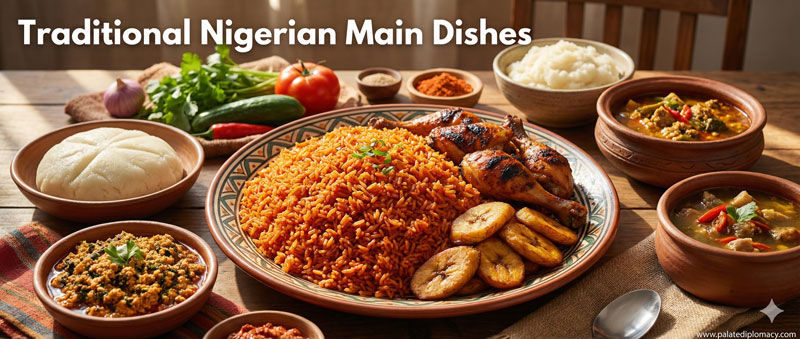
Ofada rice pairs with a variety of accompaniments that enrich the meal while staying true to its roots. Common companions include fried plantains (dodo), boiled yams, or a side of fried or smoked meats. Some enjoy it with ugba (oil bean salad) for texture and contrast, while others prefer a simple, fresh salad to offset the sauce’s richness. The dish adapts to the moment—weeknight meals feel intimate, while larger gatherings lean on its vibrant aroma to foster lively conversations and connection.
Why This Dish Continues to Shine
- Flavor that tells a story: The nutty rice and bold, peppery sauce create a memorable combination.
- A sense of welcome: The dish invites guests to share in a comforting, shared experience.
- Local pride: Using a traditional rice variety celebrates regional farming and home cooks alike.
- Adaptability: It fits casual lunches and festive meals without losing its essence.
Conclusion: Embracing Ofada Rice
Ofada rice embodies a beautiful intersection of culture and cuisine. Its fragrant scent, vivid sauce, and communal spirit make it a dish that Nigerians love to cook, share, and savor. By focusing on the ingredients, preparation, and the joyful moments around the table, we glimpse the heart of a Food Culture that celebrates warmth, skill, and togetherness. If you seek a meal that feels both grounded in tradition and clear in its flavors, Ofada rice offers a welcoming path to that experience.