
Introduction
Suya is a celebrated Nigerian grilled treat. In this post, we explore the Top Reasons Nigerians love eating suya, focusing on culture and culinary craft. The dish blends smoky meat with a bold peanut-spice rub and a lively street-food atmosphere. It travels beyond taste to touch memory, community, and everyday celebration. You will discover how suya shines as both food and ritual, a tasty bridge between meals and moments.
Flavor, Texture, and Cooking Method
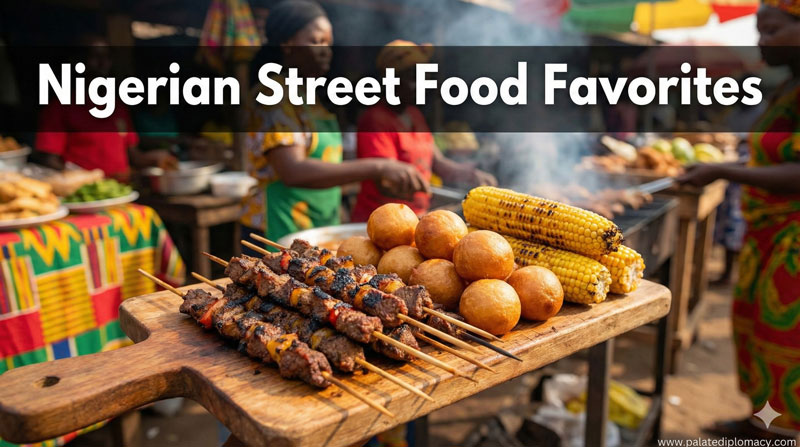
Suya centers on a simple idea done exceptionally well. Pieces of beef, chicken, or goat are threaded on skewers, then coated with a dry rub called yaji. This rub blends ground peanuts, chili peppers, ginger, garlic, and spices for warmth and depth. The grill—usually charcoal—adds a smoky edge that brightens every bite. First you feel a crisp exterior, then a juicy inside, and finally a lingering peppery glow. Moreover, the aroma invites you to take another skewer, and the color tells you the spice level is right for your palate. In short, the flavor, texture, and aroma come together to make suya a memorable experience.
Cultural Significance in Nigerian Life
In many Nigerian towns and cities, suya stalls become social hubs. The rhythm of the night slows as people gather for a quick bite or a longer chat. Suya is common at markets, bus stops, and busy corners, where friends meet after work or school. It is a food that travels well and travels often, yet remains distinctly local. The act of sharing a skewer with friends or family reinforces community bonds. Thus, suya becomes more than a snack; it becomes a shared moment of pleasure and connection.
Craft and Craftsmanship: The Spice Rub and the Grill
The craft of suya lies in balance and technique. Vendors choose cuts with care, then apply the yaji rub evenly so every bite delivers consistent heat and depth. The roasting process requires turning the skewers steadily to prevent scorching and to ensure even caramelization. The charcoal flame is your ally, imparting a gentle smoke that cannot be replicated with other fuels. Finally, serving with a light sprinkle of extra spice and fresh onions enhances flavor without overpowering it. This care elevates suya from street food to a practiced culinary art.
Regional Variations and Adaptations
Nigeria’s diverse regions bring subtle twists to suya. Across the Hausa, Yoruba, and Igbo spheres, spice levels, toastiness, and choice of meat vary. Some versions lean hotter, others are milder, and many households develop a signature mix at home. Chicken, beef, and goat remain common, while some cooks experiment with fish or turkey for lighter options. These variations celebrate local tastes and ingredient availability, yet all share the core idea: a grilled skewer crowned with a bold, peanut-forward rub.
Serving, Pairings, and Social Moments
Traditionally, suya is served with onions, tomatoes, and cucumber slices on the side. The fresh vegetables provide a crisp balance to the spicy meat. Some enjoy a squeeze of lime or a dab of a tangy sauce to brighten the palate. Beverages like zobo (hibiscus) or fresh palm juice pair nicely with the heat. Sharing multiple skewers with friends turns a quick snack into a lively social moment, inviting conversation and laughter.
Regional Notes on Ingredients and Availability
Ingredient choices reflect local markets and seasons. Fresh peanuts ground into a coarse meal form The Heart of the rub, with chilies and warm spices layered in. As seasons shift, cooks adjust the mix to maintain balance between heat, nuttiness, and fragrance. This adaptability keeps suya vibrant and relevant across many Nigerian communities.
A Food That Tells a Story
Suya carries stories of neighborhoods, markets, and family recipes. Each stall and each home version adds a page to the larger narrative of Nigerian cuisine. The dish stands as a testament to skill, shared effort, and a love of bold flavors. It invites new tasters to learn, celebrate, and participate in a living food tradition.
Conclusion
Top Reasons Nigerians Love Eating Suya come down to flavor, social warmth, and cultural resonance. The dish combines a smoky grill, peanut-spice depth, and a communal spirit that makes every bite feel like part of a larger routine. Whether enjoyed at a busy market corner or a relaxed evening with friends, suya remains a beloved symbol of Nigerian Food Culture. It invites you to savor not only taste but also togetherness, memory, and everyday joy.