
Introduction
How Roasted Corn Reflects Nigerian Food Culture invites readers to taste more than a snack. It offers a window into daily life, craft, and shared moments. This post stays focused on cultural value and culinary significance. The dish speaks through aroma, texture, and a cheerful presence in markets, kitchens, and gatherings. You will meet a dish that travels from farm to flame and back to the table, always with a story about community and care.
What is Roasted Corn?
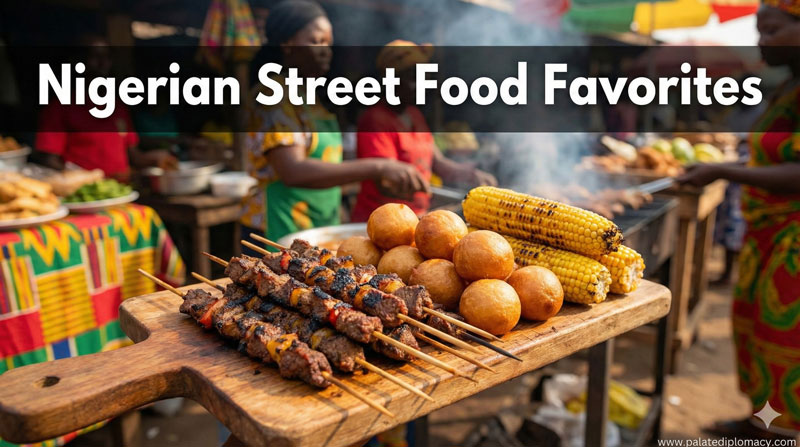
Roasted corn is corn on the cob roasted over flame until the kernels turn sweet and smoky. Vendors often brush it with oil or butter, then dust with salt, pepper, or chili. Some add a squeeze of lime or a pinch of spice to wake the flavors. The result is a warm, glossy cob with a firm bite and a fragrant, inviting smoke. This simple preparation celebrates the corn itself, letting sweetness and natural corn flavor shine through. It is a timeless, portable treat that travels well from street stalls to family picnics.
The Cooking Craft Across Nigeria
In many communities, roasting happens over charcoal or open fire, using a slow, patient turn of the cob. The cook’s rhythm matters: steady heat, frequent turning, and careful timing. Some cooks baste with oil to keep the kernels glossy; others rely on dry heat to coax a crisp edge. The smoke adds depth, and the aroma travels far. This craft blends practical skill with a thoughtful pause, inviting observers to linger and smell, to watch the kernels transform from pale to golden. The process itself becomes part of the cultural ritual around food.
A Sensory Invitation
Roasted corn invites the senses with warmth and brightness. The first bite offers gentle sweetness, a hint of char, and a soft, juicy center. The aroma—smoky, toasty, slightly nutty—draws people in before the bite. The texture blends a tender middle with a delicate crisp around the edges. In every bite, you feel the care of the cook and the generosity of the moment. This sensory balance makes roasted corn A Beloved street food and a staple at home gatherings alike.
Cultural Significance Across Regions
Across Nigerian communities, roasted corn is more than a snack; it is a shared experience. Vendors stand at busy corners, evening markets glow with energy, and families gather around a warm cob after a day’s work. Children learn to roast, turn, and taste with curiosity. The dish bridges generations, inviting grandparents, parents, and youngsters to engage in a simple, joyful ritual. In this way, roasted corn becomes a familiar thread that weaves together daily life, hospitality, and everyday celebration.
Regional Variations and Flavor Moments
Different regions bring small but meaningful tweaks. In some areas, a light pepper dust enhances brightness, while others favor a citrus squeeze for zing. Groundnut sauce or a pepper sauce can accompany the cob for dipping, adding depth without overpowering the corn’s sweetness. Some cooks finish with a brush of palm oil for sheen and a toast of aroma. These variations reflect local tastes and seasonal ingredients, all while honoring the shared love of roasted corn.
Market Life, Sharing, and Community
Markets are where roasted corn often shines brightest. The sight of a cob turning over a flame, the hiss of sizzling kernels, and the friendly exchange of smiles create a warm social moment. People share tips, compare spice levels, and pass around small bites. A single cob can spark conversation, create a memory, or mark a small celebration. The dish strengthens neighborhood ties and reminds everyone that good food can come from simple steps and generous hearts.
Pairings, Menu Moments, and Everyday Use
Roasted corn pairs well with bright drinks, lime juice, or a pinch of chili for a quick bite. It also fits into larger meals as a starter or a side that brightens the plate. For gatherings, a platter of roasted corn invites guests to assemble their own bites, choose sauces, and savor the communal mood. In homes, a hot cob with a companion dish becomes a comforting, everyday delight that elevates ordinary moments into shared joy.
Seasonal Rhythm and Local Pride
Corn season brings its own rhythm. Fresh arrivals in markets, a brief peak of energy, and a sense of abundance define the period. Cookers and shoppers savor the moment, knowing that the corn on the cob is a product of local soil, sun, and hands. This rhythm inspires pride in local farmers and cooks who honor their craft with care. Roasted corn embodies that pride in a simple, flavorful package.
Conclusion
How Roasted Corn Reflects Nigerian Food Culture celebrates a dish that is humble yet deeply meaningful. It centers on warmth, sharing, and the artistry of fire and flavor. The corn on the cob becomes a lens for a broader love of good food, togetherness, and daily generosity. In every market stand and home kitchen, roasted corn reminds us that culture can be savored in a single, glowing bite.