
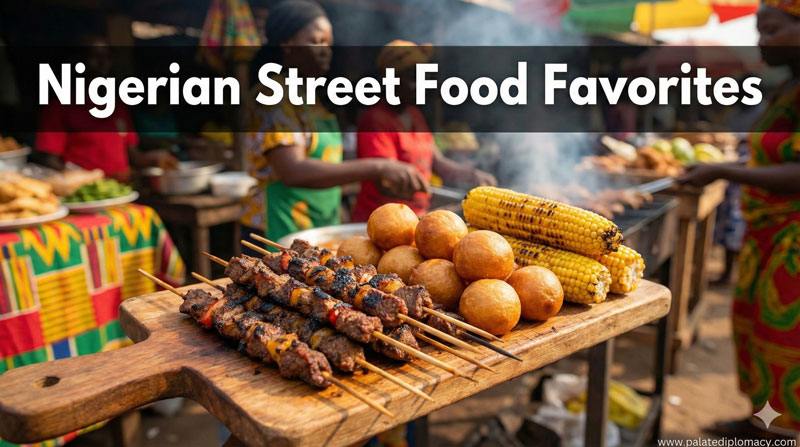
What is Boli?
Boli is the art and joy of roasting plantains over an open flame until the skin blisters and the flesh glows with a warm gold. The fruit used is typically ripe plantain, its sugars turning sweet and mellow as it cooks. The result is a tender, smoky bite with a touch of caramel on the edges. People often enjoy Boli with a bright pepper sauce or a creamy peanut sauce, which balance the fruit’s natural sweetness. In many communities, Boli belongs to everyday meals as well as festive moments, carried from market stalls to family gatherings.
A Celebration of Flavor Through Fire
The magic of Boli arrives with its aroma. Smoke from the fire mingles with the plantain’s fragrance, inviting everyone nearby to pause and smile. This improvisational cooking technique teaches a patient rhythm: the fire is steady, the plantains are turned gently, and the timing reveals the fruit’s best sweetness. The texture is a quiet harmony—soft inside, with a lightly crisp edge that gives a satisfying bite. The flavor profile sits between caramel and sun-warmed fruit, and it gains depth from the roasting process. When pepper sauce or peanut sauce joins the plate, a lively balance forms that respects the plantain’s gentle character while adding bright, assertive notes. The dish shows how simple ingredients can become memorable when prepared with care and attention.
Cultural Value and Social Joy
Boli thrives in social spaces. Vendors cook and sell it in markets, at street corners, and during neighborhood events, turning a snack into a shared moment. Friends and family gather around a plate of Boli, passing forks and dipping sauces as stories unfold. The ritual of choosing ripe plantains, lighting the fire, and watching the roast becomes part of everyday life. Boli often accompanies other regional favorites, blending into a tapestry of flavors that speaks to local taste and pride. It is not only food; it is a signal of hospitality, a reason to linger and connect. In this sense, Boli supports community memory by offering a familiar, comforting experience that people return to with anticipation.
Culinary Significance and Techniques
From a culinary perspective, Boli showcases technique as much as taste. The plantain’s sweetness intensifies with heat, while the skin protection keeps the fruit moist. Roasting creates a gentle Maillard reaction, which adds a light, savory edge to the sweetness. The choice of plantain—ripe with yellow skins or even a touch darker—guides sweetness and texture. The sauce that accompanies Boli matters as well: pepper sauces bring brightness and spice, while peanut or groundnut sauces add a nutty creaminess. The act of dipping connects the fruit to a broader pantry, allowing cooks to tailor the experience for a given mood or occasion. Thus, Boli becomes a bridge between simple ingredients and refined flavor balance, illustrating how technique can elevate everyday cooking.
Regional Variations and Traditions
Across regions, Boli adapts to local tastes and ingredients. In many Nigerian communities, Boli is closely linked with pepper sauce or a salted, peanut-based dip. In other areas, a drizzle of palm oil or a touch of local spice brings additional warmth and aroma. The plantain choice and roasting duration can vary, producing slightly different textures and sweetness levels. These variations are celebrated as part of Boli’s character, showing how a shared dish can feel both universal and distinct. What remains constant is the careful roasting over a flame, the inviting scent, and the moment of tasting that follows. This adaptability highlights the dish’s place in diverse food cultures while preserving its recognizable identity.
Pairings, Moments, and Places to Enjoy
Boli shines in casual settings as well as special occasions. Street vendors often offer it alongside palm wine, fruit drinks, or simple beverages that refresh the palate after a smoky bite. A family picnic or a neighborhood gathering becomes warmer when Boli is on the table, encouraging conversation and smiles. The simple act of sharing a plate can turn an ordinary day into a cherished memory. In quiet evenings, Boli can be enjoyed with a slower pace, inviting reflection and appreciation for the craft behind the flame. The dish’s versatility Makes It suitable for observant tastings, friendly tastings, and feasts of daily life alike.
Preserving a Timeless Dish for Future Generations
Cultural dishes like Boli carry a sense of continuity. By continuing to celebrate its preparation and sharing, communities honor their culinary heritage. The practice of roasting plantains over open flames connects people to place, season, and communal skill. As flavors evolve with available ingredients and personal preferences, the core of Boli—smoky sweetness, simple ingredients, and generous sharing—remains a steady beacon. This enduring appeal invites cooks of all ages to explore, recreate, and pass along their own Boli stories. In this way, the dish sustains not only taste but a sense of belonging and delight in everyday cooking.
A Warm Invitation to Discover
If you are curious about culinary culture, start with Boli. Listen for the sizzle, notice the aroma, and savor the first bite with an open heart. The experience invites you to see how a humble plantain, transformed by flame and paired with vibrant sauces, can become a celebration of community and craft. In every bite, there is a story of warmth, welcome, and shared pleasure. Boli welcomes you to taste a living tradition—bright, respectful, and endlessly inviting.