
Introduction
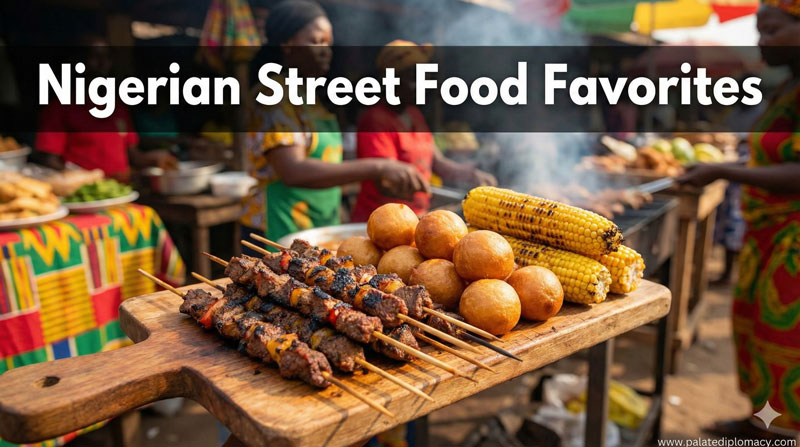
Suya is a favorite on Nigerian streets, markets, and family tables. It is simple in form—grilled skewered meat with a bold, nutty spice rub—but it carries a rich cultural resonance. The aroma, the bright heat, and the social moment around a plate of suya speak to shared tastes and everyday joy. This post journeys through the Top Reasons Nigerians love eating suya, focusing on flavor, technique, and the place suya holds in daily life.
Rich Flavor and Aromatic Spices
First, the flavor story. Suya travels from the grill to the palate through a vivid spice blend. The spice mix, often called yaji, blends ground peanuts, peppers, and a gentle kick of garlic and ginger. This combination creates a smoky, nutty, peppery profile that lingers pleasantly. The meat absorbs the rub, then meets hot charcoal, which adds a toasty depth. The result is a bite that sparks the senses: a bright heat, a hint of sweetness from roasted peanuts, and a refined earthiness. Nigerians love how the aroma announces supper before the first bite. The taste feels welcome and confident, inviting you to slow down and savor the moment.
Tender Texture and Juicy Meat
Next comes texture. Suya shines when the meat stays juicy yet firm, with a light char on the outside. The grilling method matters: skewered pieces rotate over open flame, cooking evenly. The outer layer caramelizes, while the interior remains tender. This balance makes each bite satisfying without heaviness. The texture supports the spice—neither overwhelms nor retreats from it. In every bite, there is a clean, confident snap, followed by a lingering, mellow warmth. The approach to slicing and serving also matters, ensuring each portion remains plump and flavorful from edge to center.
The Social Fabric of Suya
Additionally, suya is built for community. Vendors line busy streets and market corners, turning a quick snack into a social event. Friends meet, families gather, and neighbors catch up as they share skewers and stories. Suya nights become a ritual of connection, not just eating. You often see people exchanging recommendations about spice tweaks or best cooking times. The act of passing skewers, offering a napkin, and trading bites reinforces a sense of belonging. In this way, the dish functions as a social glue, modest in price but high in heart.
The Craft of Grilling
Moreover, the craft matters. The skill of the grill master—how they manage heat, flip peppers at the right moment, and maintain even browning—shines through in every skewer. The charcoal’s heat demands attention and patience. A good suya vendor uses clean skewers and steady hands, turning each piece with rhythm. The flame’s glow adds to the atmosphere, making the cooking itself part of the experience. This artistry elevates a simple snack into a small performance that locals anticipate and celebrate. The result is consistent quality that people seek out, again and again.
Regional Diversity and Variations
Regionally, suya invites variety. Beef suya is common across many areas, but chicken, goat, and even fish suya offer their own魅 in texture and flavor. Some communities favor hotter blends, while others lean toward a nuttier, subtler profile. The cooking time can vary with the meat type, but the principle remains the same: high heat, careful turning, and a glossy coat of spice. This diversity showcases Nigeria’s culinary creativity and ensures there is a suya moment for different tastes and occasions.
Everyday Accessibility and Convenience
In addition, suya embodies everyday practicality. It is affordable and widely available, making it a go-to option for a quick dinner, a snack during a busy market visit, or a casual gathering with friends. The preparation is compact: meat on skewers, a spice rub, and a hot grill. This simplicity supports a culture that values quick, flavorful meals that still feel celebratory. People appreciate that suya fits into a busy day without demanding elaborate cooking, while still delivering depth and pleasure.
Pairings and Serving Traditions
Furthermore, serving traditions enhance the experience. Onions, fresh tomatoes, or cucumber slices often accompany suya, adding crisp, refreshing notes that balance the spice. Pepper sauce or a light relish can bring extra brightness for those who crave a sharper bite. Cool drinks, such as a traditional hibiscus beverage or a refreshing soda, provide a palate cleanser between bites. These simple pairings help create a complete, satisfying meal that can be enjoyed anywhere—from a busy street corner to a shaded home courtyard.
Hospitality and Celebration
Additionally, suya is a symbol of hospitality in many homes. Offering suya to guests signals warmth and welcome. Sharing skewers becomes a gesture of generosity and care. In celebrations of everyday life—birthdays, gatherings, or just a weekend visit—suya helps set a welcoming tone. The act of sharing shows respect for guests and a desire to Make everyone feel comfortable. This social hospitality is a cherished part of the dish’s cultural value.
Preserving the Craft and Supporting Vendors
Finally, the craft of suya depends on people—the butchers, spice makers, and grill vendors who sustain this tradition daily. Respect for these makers, their craft, and their stalls keeps the practice thriving. New cooks often learn from experienced vendors, passing down techniques and spice blends with care. Supporting these vendors preserves a living tradition, ensuring that the flavors and rituals of suya endure for future generations.
Conclusion
In sum, the top reasons Nigerians love eating suya lie in its bold flavor, its pleasing texture, and its powerful social role. It is a dish that invites sharing, celebrates skill, and fits neatly into daily life. Suya is more than a snack; it is a joyful expression of flavor, craft, and community. As long as markets glow with charcoal and spice lingers in the air, suya will continue to be a cherished part of Nigerian food culture.