
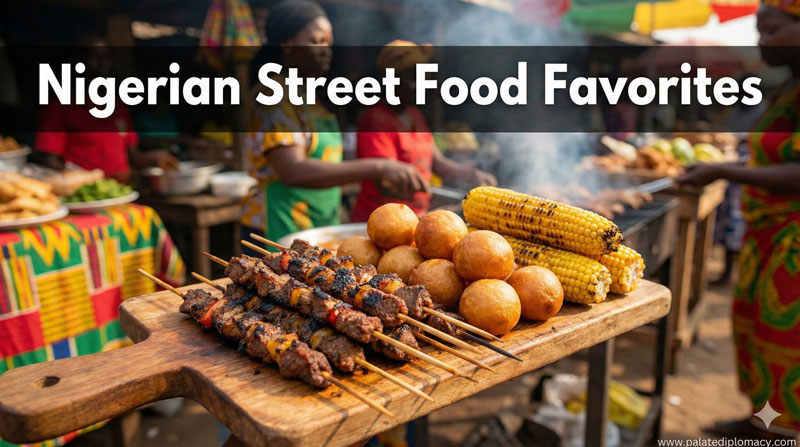
The Story Behind Boli, a Nigerian Food Favorite
Boli is more than a snack. It is a warm invitation to Nigerian street life, family gatherings, and everyday joy. The dish centers on ripe plantains transformed by fire into a fragrant, caramel-scented treat. In moments of celebration or quiet afternoons at the market, boli brings people together with a simple, honest pleasure. Its story is one of flavor, craft, and the shared experience of enjoying good food with neighbors and friends.
What Is Boli?
Boli, in its most beloved form, is roasted ripe plantain. The plantains are yellow to brown as they ripen, sweeter than their green cousins. Vendors roast them over charcoal until the skin is lightly charred and the inside is soft, warm, and slightly smoky. Boli is commonly served with a side of groundnut sauce or a bright pepper sauce. The pairing elevates the natural sweetness with contrasting textures and colors. In many streets and markets, boli appears as a comforting bite that travels well during the day and reheats kindly when enjoyed later.
The Craft: How Boli Is Made
The making of boli centers on careful selection and a steady flame. First, choose ripe plantains with a plump, firm body and a sweet fragrance. Next, rinse quickly and pat dry to keep the skin clean. Then, roast the plantains over charcoal or an open flame, turning them to char evenly. The goal is a soft interior with a lightly blistered, smoky skin. Finally, peel and slice the plantains while they are warm. The aroma—sweet, toasty, and inviting—signals readiness. A simple dip into groundnut sauce or a spoon of pepper sauce highlights the balance of flavors that boli offers.
Sensory Appeal: Aroma, Texture, and Flavor
Boli delights the senses in multiple ways. The smoke from the charcoal creates a gentle char that enhances sweetness. The inside becomes creamy and tender, releasing natural sugars with every bite. The outer skin adds a subtle contrast in texture, with a delicate crisp before the bite softens. When paired with groundnut sauce, the peanut’s roast notes echo the plantain’s caramel. Pepper sauce adds brightness and a gentle kick, sharpening the overall experience. This combination—smoky, sweet, creamy, and a touch spicy—defines the culinary appeal of boli.
Cultural Value: Community, Hospitality, and Everyday Joy
Boli holds a place of honor in Nigerian Food Culture because it is accessible, shareable, and deeply social. It appears on market stalls, at neighborhood gatherings, and during casual visits among friends and family. The act of sharing boli creates small rituals: a vendor offering warm fruit, a friend dipping into peanut sauce, a family gathering passing plates around a sunlit table. The dish embodies hospitality and the pleasure of good company. Its simple preparation invites people to pause, smile, and enjoy a moment of nourishment together.
Regional Variations Across Nigeria
Across different towns and cities, boli carries subtle regional touches. While the core remains roasted plantain with a flavorful accompaniment, you may notice variations in spice level, sauce thickness, or the preferred sweetness of the plantain. Some regions favor a richer groundnut dip, while others emphasize a sharper pepper sauce to balance the fruit’s natural sweetness. The shared idea remains constant: boli is a portable, flavorful emblem of local cooking that travels well from street to home, carrying memories of daily life and festive moments alike.
Pairings and Rituals: Groundnut, Pepper Sauce, and More
The most common pairing is a creamy groundnut sauce. The peanut offers earthiness and a gentle saltiness that rounds the sweetness of the plantain. Pepper sauce adds brightness and a lively contrast, making each bite lively and balanced. Beverages like cool palm wine or a refreshing juice can accompany boli, enhancing the sensory experience without overpowering the flavors. These pairings reflect how boli fits naturally into everyday rituals—snack time, market strolls, or a casual afternoon with friends.
Savoring Boli at Home: Practical Tips
You can savor boli at home with thoughtful steps. First, select ripe plantains with a sweet aroma and a yielding texture. Next, prepare a hot, clean grill or oven. Then, roast the plantains until the skins blister and the flesh yields softly. Peel while warm and serve with peanut sauce or pepper sauce. If you cook without a grill, you can finish the plantains under a hot broiler or in a very hot oven to mimic the smoky effect. Finally, present boli with a small dish of sauce on the side so everyone can customize each bite. The result is a warm, comforting snack that echoes street-tale charm while remaining easy to share with family and guests.
The Future of Boli: Respecting Tradition, Embracing Innovation
Boli continues to be a favorite because it respects tradition and rewards simple technique. At the same time, cooks experiment with textures and pairings to suit modern palates. New twists—such as different nut sauces, citrus-driven dips, or a touch of spice—preserve boli’s essence while inviting curious eaters to discover its versatility. The future of boli lies in welcoming more people to the table, inviting them to experience the familiar sweetness and smoky aroma that have defined this Nigerian favorite for generations. As long as care is given to quality plantains and respectful preparation, boli remains a timeless symbol of warmth, flavor, and community.
A Warm Invitation to Enjoy Boli
If you seek a dish that speaks to comfort, craft, and shared moments, boli offers a welcoming path. It celebrates the plantain’s natural sweetness and the magic of a smoky finish. It invites you to slow down, gather with others, and appreciate the beauty of simple ingredients transformed with skill. In every bite, boli tells a story of everyday joy and a city’s love for good food made with care.