
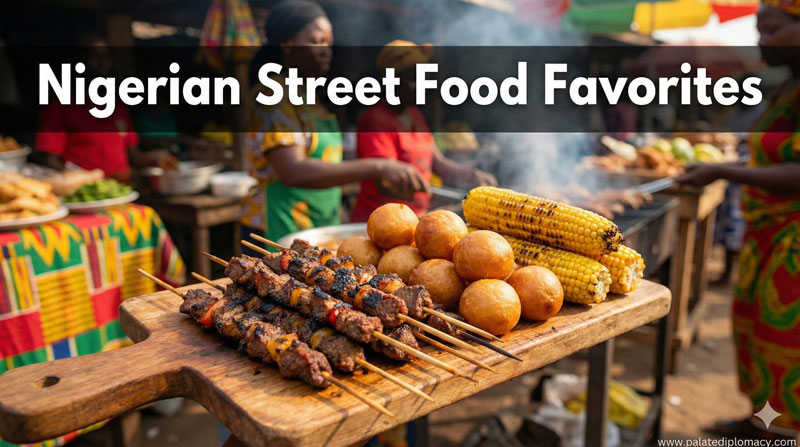
Why Suya Is One of Nigeria’s Most Loved Dishes
Suya holds a special place in Nigerian Food Culture. It speaks to shared tables, lively markets, and the simple joy of a well-prepared bite. This dish blends skill, fire, and bright spice into a memorable eating experience. It is enjoyed by families, friends, and neighbors, in cities and towns, at gatherings big and small. The appeal rests on craft as much as on flavor, and it travels easily from street corner stalls to kitchen counters.
The Craft Behind Suya
Suya begins with choice meat, thinly sliced and prepared for the flame. Vendors rub the meat with a bold spice blend, often called yaji, which blends ground peanuts, chili peppers, ginger, onion, garlic, and a touch of salt. The rub creates a fragrant crust as the meat grills. The skewers turn slowly over charcoal, catching smoke and heat. The result is a balance: a crisp outside, a juicy interior, and a peppery warmth that lingers. Each cook adds their own touch, but the core technique—spice, skewers, steady fire—stays steady and true.
Flavor That Tells a Story
The taste of suya is instantly recognizable. Nutty, spicy, and slightly sweet, the peanut-based coating delivers depth without overpowering the meat. The chili flame adds brightness, while the smoke from the grill deepens the aroma. Fresh onions and sliced tomatoes often accompany the dish, offering a cool contrast that brightens every bite. This harmony of textures and flavors invites conversation and sharing, turning a simple snack into a small, social ritual.
Suya in Social Places: Markets, Evenings, and Gatherings
Markets and street corners pulse with suya during both day and night. Stalls glow with flame and the scent of roasting meat. Friends and strangers convene here, savoring a quick meal together. Suya is equally at home at family meals and informal celebrations, where a plate of skewers becomes a centerpiece for conversation. The act of serving—passing skewers, offering onions, placing warm meat on a shared tray—creates a sense of community. In this way, suya is more than food; it is a social connector that brings people closer as they eat.
Regional Variations and Techniques
Across regions, suya shows small, thoughtful differences. Some areas favor beef; others lean toward goat or chicken. The spice blend can vary in heat and sweetness, with cooks adjusting ingredients to reflect local tastes. Some prefer a lighter coating that lets the meat’s natural flavors shine; others use a denser crust that delivers a bolder punch. Regional markets may showcase these variations side by side, inviting travelers to taste parametric flavors and appreciate the craft behind each skewered bite.
A Dish That Bridges Generations
Suya passes from one generation to the next through hands-on teaching. Elders show younger cooks how to slice meat, balance the rub, and manage the grill. The process becomes a small family lesson in patience, timing, and pride in work. As new flavors enter homes through friends and markets, suya remains a constant in Nigerian food culture—a reminder that good cooking lives in shared effort and in the stories told while artists at the grill work their magic.
How to Enjoy Suya at Home
If you bring suya into your own kitchen, start with quality meat and a well-balanced spice mix. Marinate briefly to let flavors mingle, then grill over a steady flame until the edges crisp and the center stays tender. Serve with thinly sliced onions and fresh tomatoes, plus cucumber for a refreshing bite. A splash of lime or lemon can brighten the palate, and a warm flatbread or maize-based accompaniment completes the experience. Even without professional equipment, home cooks can recreate the essential feeling: a dish that rewards patience, care, and a willingness to share.
Conclusion: A Timeless Favorite
Suya remains one of Nigeria’s most loved dishes because it blends technique, aroma, and community in a single plate. It invites participation, invites praise, and invites people to slow down just long enough to enjoy a few delectable skewers together. In its simplicity lies a rich cultural value: a dish that honors craft, warms gatherings, and celebrates the beauty of well-seasoned food prepared with care.