
Everything You Need to Know About Puff Puff
Puff puff is more than a snack. It is a gentle thread in daily life, weaving through markets, kitchens, and family moments. Its familiar aroma invites a pause, a smile, and a shared bite. In this piece, we celebrate puff puff for its cultural value and culinary significance, keeping the focus on texture, flavor, and the way it brings people together.
What is Puff Puff?
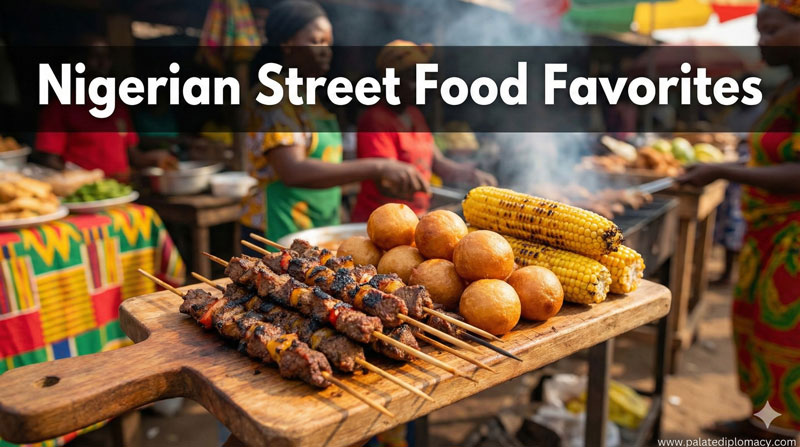
Puff puff is a soft, fluffy fried dough. The batter comes together with flour, yeast, sugar, water, and a pinch of salt. Some cooks add a whisper of nutmeg or vanilla for aroma. After resting to let the yeast work, the batter is scooped or spooned into hot oil and fried to a pale gold. The result is a round, airy puff with a delicate crust and a warm interior. This simple preparation is a canvas for variation and personal touch, yet its essence remains the same: a light, comforting bite.
The Cultural Value of Puff Puff
Puff puff sits at the heart of everyday life in many communities. It appears at morning stalls, during market visits, and at casual gatherings after school or work. The treat is easy to share, which makes it a welcoming symbol of hospitality. Families pass down trusted methods from generation to generation, refining balance between sweetness and texture. The aroma alone can spark conversations, memories, and a sense of belonging. In this way puff puff acts as a small ceremony—one that honors togetherness, care, and enjoyment of good food in good company.
Culinary Significance and Technique
Culinarily, puff puff celebrates the magic of simple ingredients transformed by heat. The yeast adds air, creating a light, plush center. Resting the batter matters: a short wait helps develop texture and lift. Frying requires a steady, moderate temperature so the outside becomes golden without burning and the inside stays soft. The result is a contrast you can taste: crisp edges, a tender crumb, and a gentle sweetness. Variations—such as adding a touch of cardamom, adjusting sugar levels, or dusting with sugar after frying—show how culture shapes flavor, while the core technique keeps the look and feel timelessly familiar.
Regional Variations and Names
Around West Africa and nearby regions, puff puff lives under friendly names and small tweaks. In some places it is simply called puff puff; in others, it carries a local name like bofrot. While names may differ, the shared idea remains: a puffed, fried dough enjoyed as a everyday treat and festival snack alike. These small variations reflect local preferences—slightly sweeter dough, different resting times, or a preferred level of browning—yet the dish remains a clear thread in the fabric of food culture. The common thread is accessibility: a few pantry staples, a simple method, and a moment to share.
Occasions and Everyday Moments
Puff puff shines in many settings. It appears at street markets where bakers sell warm rounds to passersby. It fills lunch boxes and dessert bowls at home. It accompanies conversations over tea or coffee in the morning. It marks celebrations and community events, where a plate of puff puff invites everyone to pause, taste, and connect. This adaptability—being both everyday and special—helps puff puff endure as a favorite, not through novelty but through familiarity and comfort.
Serving Ideas and Pairings
Enjoy puff puff as a versatile partner. It tastes delicious plain, with a gentle dusting of sugar, or with a light cinnamon kiss. For a cozy moment, pair it with a hot drink such as tea or coffee. A small side of fruit or a mild dairy accompaniment can balance its sweetness. In some homes, puff puff is offered alongside other snacks, making a small assortment that suits different moods. The key is openness: puff puff invites sharing and experimentation in a friendly, respectful way.
Tips for Perfect Puff Puff at Home
- Activate the yeast in warm water with a touch of sugar; a bubbly mix signals readiness.
- Use a batter that is thick enough to hold its shape but loose enough to drop easily from a spoon.
- Let the batter rest for 20–30 minutes in a warm spot. This gives puff puff lift without overproofing.
- Fry in oil heated to a steady medium-high temperature. Too hot, and the outside browns too fast; too cool, and the centers stay dense.
- Turn puff puff once for even color. Drain well on paper, then dust with extra sugar if you Like a sweeter finish.
- Keep the dough covered if you mix in advance to maintain moisture; refrigerate briefly if the kitchen is warm.
A Simple Puff Puff Recipe (Optional)
This quick guide showcases the essentials while keeping the focus on culture and craft.
– 2 cups all-purpose flour
– 2–3 tablespoons sugar (adjust to taste)
– 1 tablespoon active dry yeast
– 1¼ cups warm water (more as needed)
– 1 pinch of salt
– optional: ¼ teaspoon nutmeg or vanilla
– oil for frying
– optional: extra sugar for dusting
Instructions: dissolve yeast with a teaspoon of sugar in warm water and let bloom. Whisk flour, remaining sugar, salt, and any spice. Add the yeast mixture and enough warm water to form a soft, pourable batter. Cover and rest 20–30 minutes. Drop spoonfuls into hot oil and fry until golden on all sides. Remove, drain, and cool briefly. Dust with sugar if desired. This recipe honors tradition while inviting personal touch.
Conclusion
Puff puff is a humble delight with a generous spirit. Its cultural value lies in how it fits into daily life, how it travels from kitchen to market to table, and how it invites people to share. Its culinary significance rests in the balance of light texture, warm aroma, and gentle sweetness that many communities recognize and cherish. By savoring puff puff, you join a long-standing tradition of hospitality, craftsmanship, and everyday joy that makes food feel like a warm welcome rather than just a snack.