
A Complete Guide to Enjoying Banga Soup Like a Local
Banga soup is more than a meal. It is a warm expression of hospitality and belonging. In coastal communities, the dish brings people together. This guide invites you to savor its cultural value and culinary significance with respect and curiosity.
What is Banga Soup?
Banga soup is a rich palm fruit-based soup from Nigeria’s Niger Delta region. The palm fruit extract gives the broth a deep, nutty sweetness and a glossy, orange-golden hue. People enjoy it with meat, fish, and a bold blend of spices. The aroma alone signals a meal that is balanced between comfort and celebration.
Core Ingredients and Their Stories
The heart of Banga soup is palm fruit extract, sometimes called banga. Fresh or canned forms work well. Popular additions include fish (often smoked or dried), beef, or goat meat. Fresh onions, peppers, and a seasoning blend give the soup its punch. herbs such as scent leaves or uziza seeds deepen the flavor. These ingredients come together to create a dish that is both hearty and fragrant.
The Craft of Preparation: Techniques and Tools
Begin with the palm fruit extract to form the base. Next, simmer meat or fish until tender. Then add onions, peppers, and spices. Finally, pour in the palm oil that rises to the top, adjusting thickness as you go. The best Banga has a balance: a smooth texture, bright aroma, and layers of taste that unfold with each bite. Simple tools, patient timing, and a calm kitchen pace bring the dish to life.
Tasting Notes: Flavor, Texture, and Aroma
Savor the first spoonful for its creamy body and nutty warmth. The pepper notes awaken the palate, while the palm fruit’s natural sweetness lingers pleasantly. The presence of fish or meat adds a satisfying bite and a rich, savory backbone. Overall, the experience is velvety, aromatic, and deeply comforting.
Cultural Significance: Place in Food Culture
Banga soup is a dish of welcome. It often signals a gathering, a shared table, and mutual care. The act of serving and sharing from one pot reinforces community bonds. Families and friends alike celebrate with this soup, making it a staple at important meals and everyday feasts. In many homes, the ritual of preparing Banga becomes a memory in itself.
How to Eat Like a Local: Etiquette and Experience
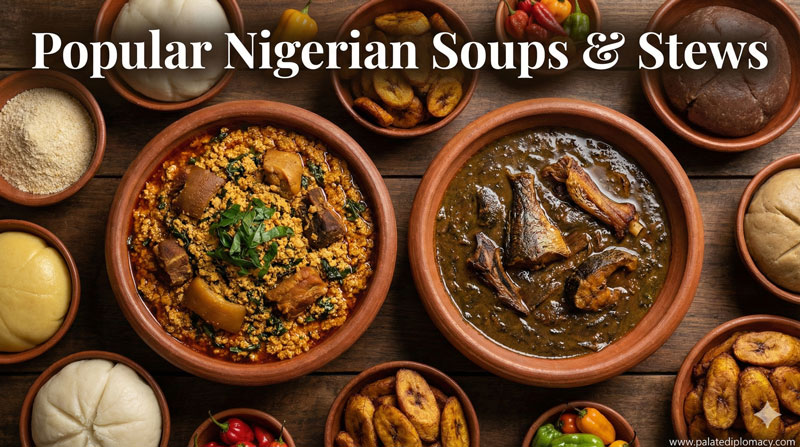
To enjoy Like a local, gather friends or family around a single serving pot when possible. Use a wide spoon to scoop up both broth and solids. Pair with a starchy side such as pounded yam, fufu, or garri for balance. Take small bites to appreciate evolving flavors. If you are new to the dish, follow the lead of seasoned hosts and keep conversations light and joyful.
Serving Ideas: Accompaniments and Pairings
Serve Banga soup with a starchy accompaniment to complete the meal. Pounded yam or fufu creates a smooth counterpoint to the soup’s richness. Garri is a lighter option that nevertheless soaks up the broth beautifully. You can also add a side of fresh vegetables or a light pepper sauce for brightness. Choose beverages that cleanse the palate between bites.
Regional Variations Within the Niger Delta
Within the Niger Delta, cooks adapt Banga to their local tastes. Some households emphasize particular fish or meat choices. Others vary the spice blend for a brighter or more robust profile. Despite these differences, the core idea remains the same: a palm-fruit-based soup meant for sharing and savoring.
Buying and Sourcing: Where to Find Quality Banga
Look for palm fruit extract with a smooth consistency and a rich color. Fresh bases deliver the most vibrant flavor, but well-made canned or bottled options work well too. For meat or fish, choose pieces with a fresh scent and firm texture. If you visit markets or restaurants, you may find seasonal variations that showcase regional pride.
Easy Tips for Beginners: Getting Started at Home
Start with a tested palm fruit base and a modest spice blend. Add your chosen meat or fish and simmer slowly. Taste as you go, then adjust salt and heat gradually. Keep the pot uncovered at the end to concentrate the aroma. With a little practice, you’ll discover your preferred balance of thickness and brightness.
A Friendly Note on Sustainability: Sourcing and Respect
Respect for ingredients matters. If you use palm fruit products, choose brands that support sustainable farming practices. When possible, buy fresh ingredients from trusted producers. This care helps preserve the flavors you love and supports the communities that cultivate them.
Final Thoughts: Embracing Banga with Joy and Respect
Banga soup invites you to slow down and enjoy. It rewards patience, attentiveness, and simple hospitality. By exploring its flavors and sharing the dish with friends, you participate in a cherished culinary tradition. Welcome the aroma, savor the texture, and celebrate the beauty of this local treasure.