
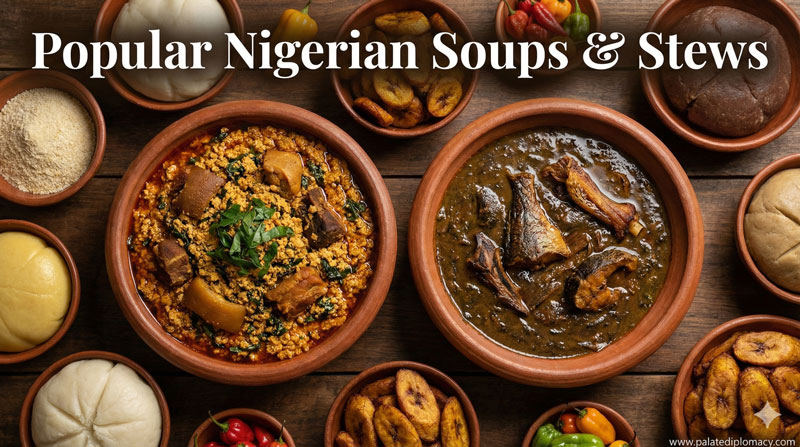
An Introduction to Egusi Soup in Nigerian Culture
Egusi soup holds a cherished place on many Nigerian tables. It is made from ground melon seeds, enriched with palm oil, and finished with leafy greens and a choice of meat or fish. This dish travels from busy weekday kitchens to festive gatherings with the same warmth. It is a welcoming sign that hospitality and good company are valued. People speak of egusi with pride, recognizing its role in daily life and special moments alike.
Reason 1: Comfort and Familiarity
Egusi brings a sense of home in every spoonful. The nutty aroma, the creamy texture, and the familiar balance of flavors feel reassuring. Families teach the gentle art of stirring and tasting, turning cooking time into shared memory. The dish often appears when loved ones gather, creating instant connection around the pot. In this way, egusi becomes a comforting ritual as well as a meal.
Reason 2: A Rich Flavor and Texture Palette
The flavor journey starts with roasted melon seeds that melt into a silky base. Palm oil adds a warm, reddish hue and a distinctive depth. Stock or water, greens, and pieces of meat or fish bring layers of savor and texture. The greens—such as spinach, ugu leaves, or bitter leaf—offer freshness that brightens the richness. Cucial notes come from peppers, salt, and seasonings that polish the overall balance. The result is a dish that rewards attentive simmering and careful tasting.
Reason 3: Culinary Craft and Skill
Egusi is a dish that invites technique. Roasting the seeds to a careful golden color brings a nutty sweetness. Grinding or pounding the seeds to a smooth, manageable paste shapes the body of the soup. Slow, steady stirring prevents lumps and builds a cohesive, luxurious texture. Balancing the oil, liquid, greens, and proteins requires practice and patience. This craft is often passed down through generations, with each generation adding a personal touch.
Reason 4: Versatility Across Regions and Occasions
Egusi adapts to many tastes and settings. It pairs well with fufu, pounded yam, or garri for a comforting swallow. It can feature various proteins—beef, goat, chicken, or fish—based on preference and season. Greens may vary from spinach to pumpkin leaves, offering a fresh or earthy note. Whether for a casual family dinner or a celebratory meal, egusi fits the moment with grace. This flexibility enhances its appeal across Nigerian Food Culture.
Reason 5: Shared Meals and Community Spirit
A pot of egusi often draws people near the table. Tales are told, plans are made, and laughter travels with the steam. Serving from a common pot reinforces a sense of togetherness and generosity. Guests are offered a portion first, then encouraged to savor the communal flavors. The act of sharing egusi embodies hospitality and the joy of being together around food.
Reason 6: Nourishment and Everyday Joy
Egusi soup offers substantial nourishment without sacrificing delight. Ground melon seeds contribute protein and healthy fats, supporting energy for busy days. Greens deliver vitamins and minerals, balancing richness with freshness. The dish sustains both body and spirit, turning a simple meal into a moment of daily celebration. In this way, egusi feeds not only the body but also the sense of belonging.
Reason 7: A Cornerstone of Nigerian Culinary Identity
Egusi sits at the crossroads of many Nigerian kitchens, reflecting diverse tastes and techniques. Its popularity signals a shared culinary vocabulary that travels from home to market to kitchen. The dish invites experimentation, inviting cooks to adjust greens, proteins, and spice to personal delight. Through egusi, cooks express care, tradition, and creativity in a single pot. This makes the dish a quiet ambassador of Nigerian food culture.
Conclusion: The Enduring Charm of Egusi Soup
Top Reasons Nigerians love eating egusi soup come down to comfort, flavor, craft, and community. The dish blends a silky texture with a bold, nutty taste, supported by flexible ingredients and regional pride. It honors family wisdom while inviting new cooks to contribute their own touch. In every bowl, egusi tells a story of hospitality, practice, and shared joy. Through its presence on tables and in celebrations, egusi remains a beloved thread in the fabric of Nigerian food culture.