
Introduction: Everything You Need to Know About Banga Soup
Welcome to a tasting of culture, color, and craft. Banga soup is a Beloved Dish from the Niger Delta, known for its rich aroma and soulful presence at gatherings. This post shines a light on its cultural value and culinary significance. You will discover how flavor, technique, and hospitality meet in every simmer. Let us explore the beauty and place of Banga soup in the kitchen and beyond.
What is Banga Soup?
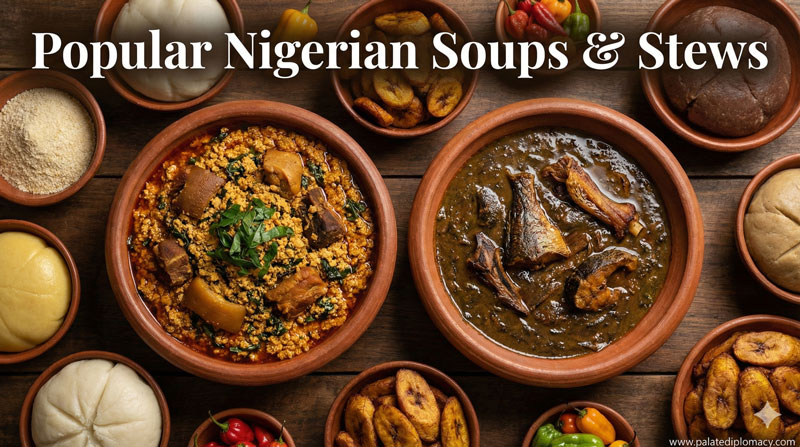
Banga soup is a palm-fruit-based broth that carries the depth of the water’s edge into the bowl. The palm fruit oil, called banga, forms the heart of the soup, giving it a glossy, earthy richness. Fresh fish or seafood, along with peppers, onions, and seasonings, mingle with this foundation. The result is a fragrant, velvety soup that balances strength and comfort. It is served hot and shared with family and friends.
Core Ingredients and Flavor Profile
The essential trio is palm fruit extract, meat or fish, and spice. Salt, onion, and ground or fresh pepper bring warmth, while crayfish or stockfish add a salty umami lift. Fresh scent leaves or herbs can brighten the finish. The flavor is robust and layered: earthy, slightly sweet, and naturally smoky from the palm oil. This harmony makes Banga soup instantly recognizable and deeply satisfying.
Cultural Value and Significance
Banga soup holds a central place in social life and hospitality. Hosts prepare it to welcome guests, celebrate milestones, and honor family ties. It is common at naming ceremonies, weddings, and festive meals, where the soup is a symbol of care and generosity. Sharing bowls reinforces connection and mutual respect. The dish also reflects craftsmanship: the timing, fire control, and balance of ingredients reveal careful skill passed down through generations. In every pot, there is a story of community, memory, and joy.
Techniques and Cooking Process
Begin with selecting ripe palm fruit or a good extract. Boil and simmer to release the rich oil and deepen the flavor. Add meat or fish, followed by onions, peppers, and seasonings. Crayfish or dried fish introduces a briny depth, while scent leaves lift the aroma. The key is steady heat and patient simmering, which dissolves the ingredients into a cohesive, silky broth. Finally, taste and adjust salt and heat, then prepare to serve with pride.
Regional Variations
In the Niger Delta, Efik and Ibibio cooks often bring subtle twists. Some versions feature thicker consistency, while others lean lighter with more broth. The choice of fish or seafood can vary by local catch and preference. Despite these differences, the thread of hospitality and bold flavor ties all versions together. Each variation respects tradition while inviting personal expression.
Serving, Pairings, and Etiquette
Banga soup is traditionally enjoyed with swallow-based sides such as fufu, starch, or pounded yam. A generous, steaming bowl invites scooping and savoring with the whole family. This communal style honors guests and builds a sense of togetherness. For a complete experience, serve with bright sides like fresh herbs, sliced onions, and pepper to adjust the heat at the table.
Quick Tips for Home C cooks
- Choose high-quality palm fruit extract for depth and sheen.
- Use firm fish or seafood to hold its shape during simmering.
- Start with moderate heat and keep a gentle simmer to avoid oil separation.
- Add scent leaves or fresh herbs toward the end for a bright finish.
- Pair with your preferred starchy side for a comforting, balanced plate.
Concluding Thoughts
Banga soup celebrates flavor and fellowship in equal measure. It invites cooks to honor tradition while inviting new audiences to enjoy a timeless, nourishing dish. Through its aroma, texture, and shared moments, Banga soup reveals a culture’s warmth and artistry. May every bowl remind you of hospitality, skill, and the beauty of well-made food.