
Why Egusi Soup Is One of Nigeria’s Most Loved Dishes
Egusi soup stands as a beloved cornerstone of Nigerian food culture. Its bright aroma, creamy texture, and bold flavor invite both everyday meals and festive gatherings. People savor the way the melon seeds thicken the soup, creating a comforting body that coats every bite. The dish shines in its flexibility, welcoming a range of ingredients and kitchen skills. In homes across Nigeria, egusi soup carries warmth, hospitality, and a sense of shared nourishment.
What Is Egusi Soup? A Brief Overview
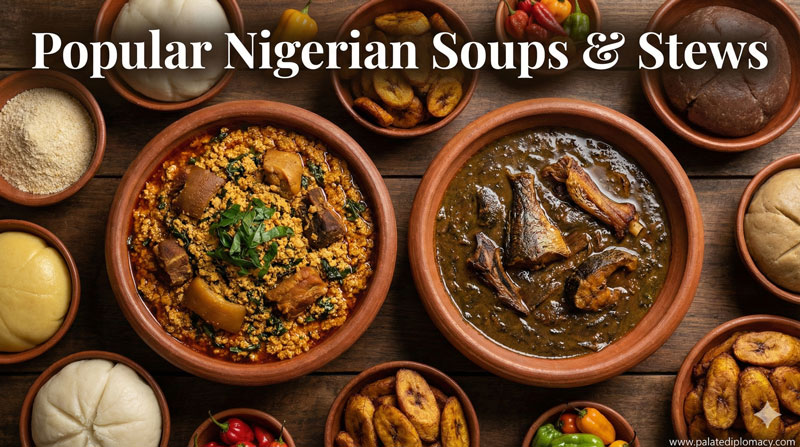
Egusi soup is made from ground melon seeds (egusi) that blend with stock, oil, and seasonings. The seeds act as a natural thickener, giving the soup a silky, hearty mouthfeel. Cooks add meat, fish, or shrimp, plus palm oil for color and depth. Leafy greens such as ugu (pumpkin leaves) or bitter leaf complete the dish, adding a fresh contrast. The result is a soulful soup that can be bright and peppery or richly mellow, depending on How It is prepared.
The Core Ingredients and Their Roles
- Ground egusi seeds: The star thickener and flavor base.
- Palm oil: Provides color, richness, and a distinctive finish.
- Protein: Beef, goat, chicken, fish, or dried fish for depth.
- Aromatics: Onions, peppers, and sometimes tomatoes for brightness.
- Greens: Ugu, spinach, or bitter leaf for a vibrant, herbal note.
- Seasonings: Crayfish, spices, and salt to balance the flavors.
This combination creates a balanced harmony of texture and taste. The seeds give creaminess, the oil adds warmth, and the greens introduce a fresh lift. The result is a soup that feels nourishing and satisfying.
The Cooking Process: A Rhythm of Care
Begin by preparing the protein and soaking any dried fish. In a pot, heat palm oil and sauté aromatics until fragrant. Stir in ground egusi to blend with the oil, forming a paste. Add stock gradually, then simmer to let the flavors mingle. Introduce the protein and greens, and let the mixture cook until the meat is tender and the greens soften. Finally, adjust the seasoning and let the soup rest briefly before serving. The steps are simple, yet the attention to timing and temperature makes all the difference.
Cultural Significance: Shared Meals and Hospitality
Egusi soup is more than a dish; it is a symbol of hospitality and togetherness. Families gather around the pot, passing bowls, and sharing stories as the aromas fill the kitchen. The act of cooking egusi becomes a ritual—humble ingredients transformed through care into something comforting. In many homes, a pot of egusi soup signals welcome and warmth. It is a dish that invites conversation and connection, turning meals into meaningful moments.
Regional Traditions and Variations
Across Nigeria, egusi soup appears in many loving variations. Some cooks favor ugu leaves for their earthy bite, while others choose bitter leaf for a distinct, peppery profile. The choice of protein shifts the heartiness, from lighter fish to rich beef or goat. In coastal towns, a splash of palm oil mingles with seafood flavors, while inland kitchens may emphasize dried fish or crayfish for a deeper savor. The common thread is the careful balance of seeds, oil, greens, and spice, which travels from home to home in the same loving way.
Serving and Pairings: How Egusi Appears in Nigerian Tables
Egusi soup shines when paired with starchy staples. Common companions include fufu, pounded yam, or garri. These options let the creamy soup cling to each bite, enhancing the experience. Sliced onions, fresh peppers, and a squeeze of lime can lift the plate for a brighter finish. The serving style emphasizes sharing and togetherness, as multiple bowls pass around the table and everyone enjoys the same comforting flavors.
A Dish for All Ages: The Enduring Appeal
From children to elders, egusi soup holds broad appeal. Its textures—creamy seeds, smooth oil, and tender greens—offer a pleasing contrast that many find comforting. The dish can be adjusted to milder or spicier tastes, making it approachable for diverse palates. Its familiarity fosters a sense of home, while subtle regional twists keep it fresh and interesting. This blend of consistency and variety helps egusi soup remain a staple across generations.
Tips for Home C cooks: Making Egusi at Home
- Start with a smooth egusi paste: Blend the seeds with a little water before adding to the pot.
- Control the thickness: Add stock gradually to reach the desired creaminess.
- Choose greens wisely: Ugu or spinach both work well, depending on your preferred texture.
- Balance flavors: A touch of crayfish and a bright pepper blend lifts the dish without overpowering it.
- Freshness matters: Use fresh onions and peppers for the most vibrant aroma.
In Closing: The Heart of Nigerian Food
Egusi soup embodies the beauty of Nigerian culinary craft. It is a dish built on simple, accessible ingredients, transformed by careful technique and generosity. The result is a meal that feels both intimate and celebrated. Whether for a weekly family dinner or a special gathering, egusi soup offers warmth, texture, and a sense of place. Its enduring appeal lies in how it brings people together to enjoy good food, good talk, and the simple pleasure of sharing a beautiful pot of soup.