
Introduction to a Beloved Nigerian Dish
Afang soup is a bright, comforting dish that many Nigerians cherish. Its texture blends the tenderness of greens with the richness of meat and seafood. The aroma invites conversations, smiles, and long, satisfying meals. This blog explores how Afang soup gained its place in Nigerian cuisine, celebrated for its balance of freshness and depth, and for the cultural value it carries in homes and kitchens across communities. The Story is one of taste, sharing, and a living tradition that evolves while staying true to its roots.
What Afang Soup Is
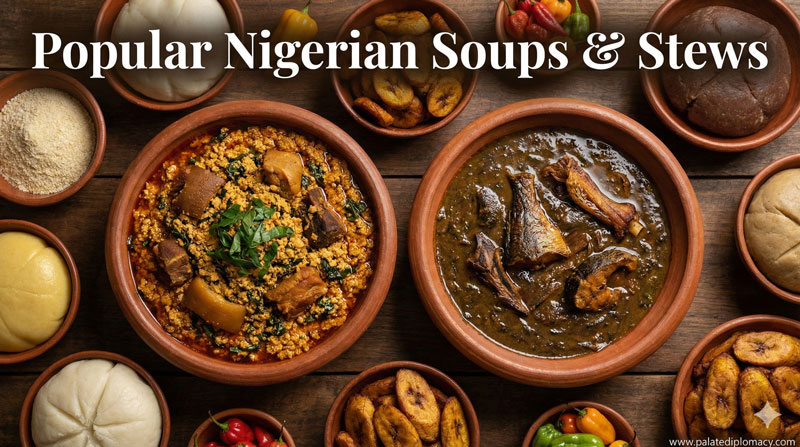
Afang soup features two key greens: Afang leaves (also called okazi) and water leaves or other leafy greens that soften into a silky base. The greens meet a hearty broth enriched with palm oil, beef, chicken, stockfish, crayfish, and sometimes periwinkle. The result is a soup with vibrant color, a slightly thick texture, and a comforting, earthy flavor. In many households, the greens are shredded or torn by hand, which adds to the feeling of a meal prepared with care. The dish is commonly finished with a light touch of spice andseasonings that lift rather than overpower the greens. This combination makes Afang soup approachable for family meals, community gatherings, and celebrations alike.
The Cultural Value at the Table
The cultural value of Afang soup lies in its role as a unifying dish. It brings people together around a single pot, inviting shared serving and collective appreciation. Families pass down tips on selecting leaves, timing the simmer, and balancing the flavors. Elders often guide younger cooks, turning cooking into a moment of mentorship. The dish supports conversations that travel from kitchen to dining room to garden, linking memories with present meals. In this way, Afang soup becomes more than sustenance; it becomes a language of hospitality, respect, and connection.
Ingredients and Craft: The Heart of the Recipe
The core ingredients establish the dish’s character. Afang leaves provide a crisp, green bite that softens into a lush mouthfeel. Water leaves add body and a touch of brightness. Palm oil contributes a warm, reddish hue and a smooth, rich finish. Proteins like beef, chicken, and sometimes fish or stockfish anchor the flavor, while crayfish adds a briny depth. Small additions, such as periwinkle or seasonings, ring the dish with familiar comfort. The preparation emphasizes balance: the greens must not overpower the broth, and the meat should mingle with every spoonful without dulling the greens’ freshness. This careful balance is a hallmark of Nigerian cooking, where technique and patience elevate everyday ingredients into something memorable.
The Rise in Popularity: How Afang Became a Favorite
Afang soup rose from regional kitchens into a widely enjoyed dish for several practical reasons. First, the greens used in Afang are plentiful and resilient, allowing cooks to prepare a nourishing pot with readily available ingredients. Second, households discovered that Afang pairs well with a range of staples, including fufu, pounded yam, or garri, making it adaptable to different meal plans and occasions. Third, the dish adapts easily to various meats and seafood, letting families tailor it to what is available or preferred. Fourth, cooks began sharing methods and tips through family gatherings, local markets, and cooking demonstrations, spreading a sense of familiarity and trust around the recipe. Finally, chefs and home cooks alike highlighted Afang in restaurant menus and cookbooks, inviting a broader audience to experience its comforting richness. Through these channels, Afang soup moved from a regional favorite to a cherished part of Nigerian cuisine.
Regional Variations and Personal Touches
Across regions, households bring distinct touches to Afang soup. Some cooks favor a thicker, creamier broth, while others aim for a lighter, more broth-forward version. The types of greens may vary with season and preference, and the choice of meat or seafood can differ from family to family. These variations enrich the dish rather than dilute it, because they reflect the creativity and care of the cooks. What remains constant is the sense of belonging that comes with preparing Afang soup: the ritual of gathering ingredients, the slow simmer that builds flavor, and the joy of sharing a pot that tells a story of home.
Serving Traditions and Culinary Pairings
Afang soup finds its perfect companions in soft, starchy sides. Many enjoy it with pounded yam, which allows diners to scoop up generous bites of greens and broth. Others prefer fufu or garri, savoring the contrast between the warm soup and the smooth, powdery texture of the accompaniment. The serving style often mirrors the culture of sharing: a large bowl for the table, with spoons passed around among family members. The dish also invites finishing touches, such as tiny bowls of spice for those who want an extra kick. The act of serving Afang soup reinforces community and hospitality, turning mealtime into a social ritual as well as a meal.
Techniques that Honor the Craft
The culinary craft behind Afang soup emphasizes patience and attentiveness. Clean greens carry less bitterness when rinsed well, and tearing leaves by hand preserves delicate edges and texture. The timing of adding greens matters: they should blend with the broth without losing their fresh character. Seasoning is layered: a base of seasoned stock, then a gentle lift with palm oil, and finally any finishing notes. Home cooks often rely on sensory cues—the color of the greens, the aroma of the oil, and the balance of salt and spice—to guide the final adjustments. This mindful approach highlights a broader cultural appreciation for attention to detail in Nigerian cooking.
Preserving Tradition While Embracing Change
in Modern kitchens, Afang soup remains rooted in tradition yet benefits from contemporary convenience. Cookbooks, cooking shows, and online recipes help new generations discover the dish while preserving its essence. Families adapt to available ingredients or dietary preferences, yet the core idea persists: Afang soup is a shared, comforting meal that honors local produce, technique, and togetherness. This balance between continuity and adaptation is a strength of the dish, reflecting a living culinary culture that respects memory while welcoming fresh ideas.
Reflection: Afang Soup as a Cultural Treasure
Afang soup stands as a testament to how food communicates care, heritage, and community. Its bright greens, rich broth, and generous textures invite people to slow down and appreciate the artistry of home cooking. The dish celebrates the bounty of the land and the skill of cooks who transform simple ingredients into something nourishing and memorable. By existing in households, markets, and eateries, Afang soup reinforces a sense of place in Nigerian cuisine and offers a delicious bridge between generations.
Conclusion: A Dish with Deep Roots and Broad Appeal
In Nigerian cuisine, Afang soup holds a unique place. It is cherished for its flavor, its texture, and its ability to bring people together. The dish invites curiosity and fosters connection, whether enjoyed at a family table, in a community gathering, or in a bustling kitchen where recipes are shared and refined. Its popularity grows not only from taste but from the culture it represents—care, hospitality, and a deep appreciation for greens, meat, and the act of cooking as a communal joy. Afang soup remains a shining example of how culinary culture can be both rooted and welcoming, offering nourishment for the body and warmth for the heart.