
Introduction
Welcome to A Complete Guide to Enjoying Banga Soup Like a Local, a friendly tour of a celebrated dish. This guide centers on cultural value and culinary significance. Banga soup is more than a meal; it is a daily story told in aroma, texture, and shared moments. In kitchens and markets across the Niger Delta, families gather, and the pot sings with depth, warmth, and pride. Read on to discover how locals savor this dish, what it reveals about community, and why its flavors feel like a welcome from the land itself.
What is Banga Soup?
Banga soup is a palm fruit–based treasure. The base comes from ripe palm fruit pressed into a fragrant oil that glows golden when simmered. The broth gains body from meat, fish, or both, and it carries pepper, onions, and a chorus of seasonings. The result is a soup that feels both bold and comforting. Locals value its ability to bring people together, turning a simple meal into a shared experience that reflects patience, skill, and care.
The Core of the Palm: Flavor and Fragrance
At The Heart of Banga soup is the palm fruit extract, which provides a rich, earthy backbone. The aroma is inviting: a sweet, nutty note mingles with spice and the heat of chilies. This fragrance signals hospitality and readiness to feed a crowd. The spices—often ground and blended just before cooking—add depth without overpowering the natural sweetness of the palm. Taken together, the flavors honor the land and the hands that harvest, prepare, and simmer.
Ingredients and Craft: Tradition in the Kitchen
Culinary craft shines in Banga soup through balance and choice. Typical ingredients include:
– Palm fruit extract (the core broth)
– Fish or meat, or a combination
– Onions and peppers for heat and brightness
– Crayfish or dried fish for a savory umami lift
– Aromatics like uziza seeds or scent leaves to add a subtle peppery kick
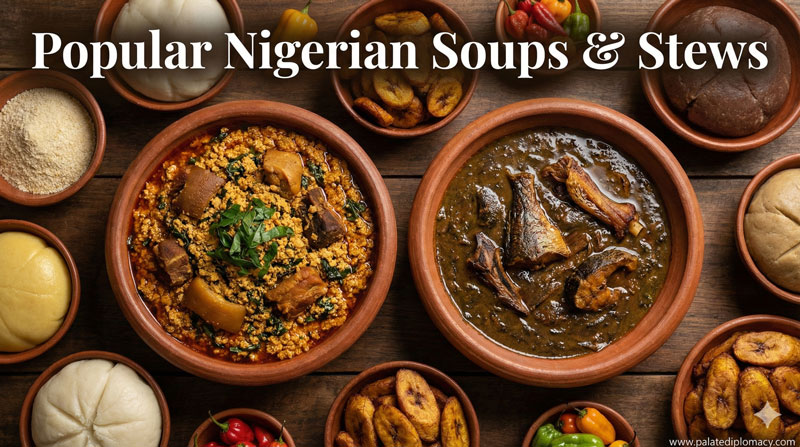
– A starch to garnish the dish, such as fufu, pounded yam, or garri
Locals tailor the ingredient set to family preferences, seasonal availability, and the day’s mood. This flexibility preserves the dish’s spirit: it adapts to the moment while remaining true to its origins. The craft is passed down through generations, with each cook adding their own touch while honoring tradition.
How Locals Enjoy Banga Soup: A Simple Guide
To enjoy Banga soup like a local, start with the aroma. Let the steam rise and take in the layered scents of palm, pepper, and herbs. Next, observe the color and body of the broth, then taste a small spoonful to gauge pepper heat and salt. Locals often dip a portion of the chosen starch into the soup, allowing the starch to soak up the rich flavors. Then we savor spoonfuls slowly, appreciating the texture and the way fat from the palm candy coats the palate.
If you dine with others, a sense of sharing comes through in the way bowls are passed and conversations flow. The act of serving—placing a steaming bowl before someone, or offering a second helping—becomes part of the experience. Finally, honor the finish: a clean, balanced aftertaste that lingers with warmth and satisfaction.
Serving Traditions and Pairings
Banga soup is frequently served with a starch that soaks up the flavorful broth. Common choices include pounded yam, fufu, or garri. Some households enjoy the dish with plantains or a side of fresh vegetables for contrast. In markets and homes, the presentation is simple yet inviting: a bright bowl, a spoon, and an open heart to sharing. The dish shines when served with care and a sense of gathering, turning a meal into a moment of community.
Regional Styles and Variations
Across communities, Banga soup adapts to local tastes. Some cooks emphasize a lighter, more peppery profile, while others favor a deeper, richer broth. The choice of fish or meat can shift the texture and aroma, and the use of uziza seeds or scent leaves adds a distinctive herbal note. These variations illustrate how regional pride and personal preference shape the same dish. Each version respects core methods while offering a new experience for the palate.
The Cultural Canvas: Food, Family, and Craft
Beyond flavor, Banga soup stands as a cultural touchstone. It appears in family Sundays, festive gatherings, and bustling market mornings. Making the soup is an act of memory and skill: selecting ripe palm fruit, balancing spices, judging the timing of simmer, and finally serving with care. The dish teaches generosity, timing, and patience. It models how a community values nourishment, connection, and the pleasure of sharing a pot of soup that carries a sense of place.
Practical Notes for the Curious
- Seek fresh palm fruit extract when possible; it defines the soup’s character.
- Listen for the gentle simmer rather than a rapid boil to preserve texture and aroma.
- If you are unsure about spice levels, start mild and gradually add heat, then taste as you go.
- Pair with a starch you enjoy; the goal is harmony between broth and bite.
Conclusion
A Complete Guide to Enjoying Banga Soup Like a Local celebrates more than a dish. It honors a tradition of craft, warmth, and shared meals that reflect the beauty of the people and their land. Through its fragrant broth, layered flavors, and flexible approach to ingredients, Banga soup invites everyone to slow down, savor the moment, and join in the storytelling of the table. Whether you are new to the taste or returning to a familiar favorite, this soup remains a welcoming invitation from the kitchen to the heart.