
Top Reasons Nigerians Love Eating Egusi Soup
Egusi soup sits at The Heart of Nigerian dining. It is more than a meal; it is a shared experience that gathers people around a table and sparkles with aroma, texture, and color. This post highlights the cultural value and culinary significance of egusi, celebrating why so many Nigerians reach for this soup again and again.
A Symphony of Flavor, Texture, and Color
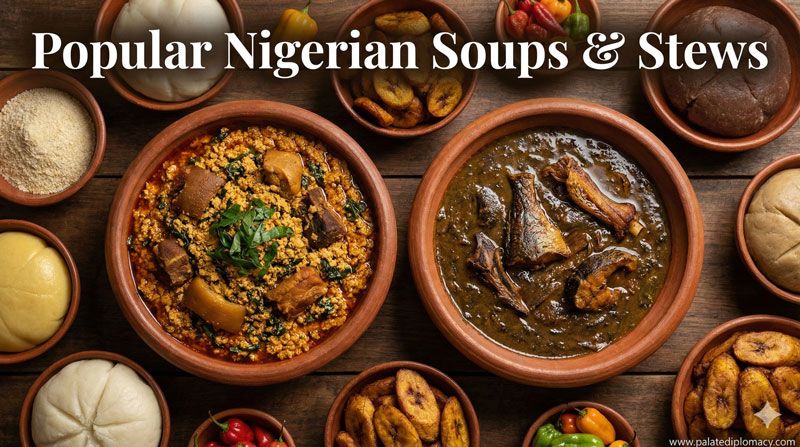
Egusi soup begins with the humble melon seed, ground into a pale yellow paste. When toasted lightly, the seeds release a nutty aroma that fills the kitchen. The paste blends with palm oil to create a glossy, rich base. As it simmers, chunks of meat, fish, or shellfish plump up in the broth, while ground crayfish adds a delicate briny note. Leafy greens—such as ugwu, bitter leaf, or waterleaf—brighten the pot at the end, giving a fresh balance to the deep flavors. The result is a comforting, multi-layered dish that satisfies both the palate and the eye.
A Dish for Sharing and Hospitality
Hospitality is a cornerstone of Nigerian life, and egusi soup embodies that spirit. A pot of egusi is often brought to the table with a chorus of conversations, laughter, and the clatter of spoons and bowls. The act of scooping the soup with a swallow or fufu invites participation from everyone present. This communal rhythm reinforces bonds, makes guests feel welcome, and turns a simple meal into a memorable occasion. The beauty of egusi lies in its ability to transform a routine dinner into a warm gathering.
Versatility for Any Meal
Egusi soup fits a wide range of meals and occasions. It pairs beautifully with pounded yam, cassava fufu, semolina, or amala, offering different textures with each swallow. The same pot can serve everyday dinners and festive feasts, adapting to family favorites and seasonal ingredients. This versatility contributes to its enduring popularity, letting families tailor the dish to their preferences without losing its essential character.
Craft and Care: The Making of Egusi
The art of cooking egusi is about balance and patience. Home cooks toast the seeds to release aroma, grind them to a smooth or slightly gritty texture, and slowly incorporate them into a simmering stock. Stirring is steady, not rushed, to prevent lumping and to keep the sauce silky. The choice of meat, fish, and seasonings reflects family taste and local abundance, making every pot unique. The care put into each batch elevates egusi from a everyday soup to a source of pride in the kitchen.
Regional Variations: A Nigerian Kitchen Treasury
Across Nigeria, egusi takes on subtle regional twists. Some kitchens emphasize a bolder palm oil presence for color and depth; others prefer lighter, clearer broths with bright greens at the end. The choice of greens, meats, and fish creates a tapestry of flavors that still feels unmistakably egusi. This variety celebrates the country’s rich culinary landscape while keeping the core identity of the dish intact.
The Everyday and the Festive: Egusi at Home and in Special Moments
Egusi soup travels easily from daily meals to special occasions. It is served during birthdays, family reunions, and communal celebrations. In every setting, egusi remains a unifying dish—one that invites participation, conversation, and shared joy. Its presence on the table signals warmth, generosity, and a celebration of everyday life in Nigerian Food Culture.
Conclusion: A Living Tradition on Every Table
Egusi soup stands as a beacon of culinary craft and cultural value. Its rich flavors, adaptable nature, and role in hospitality make it a beloved staple across Nigerian kitchens. By exploring egusi, we glimpse how food can express community, care, and continuity—one sumptuous bowl at a time.