
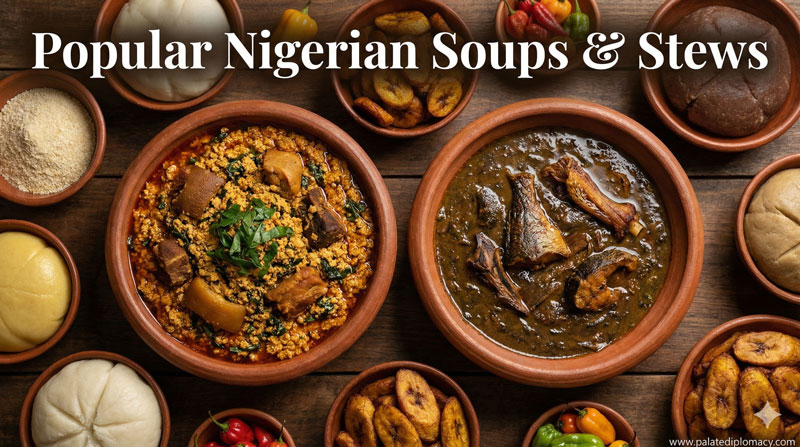
A Warm Welcome to Okra Soup
Okra soup is more than a dish. It is a living thread in the fabric of many kitchens. Its bright green hue, its comforting aroma, and its generous textures invite curiosity and delight. This post explores the cultural value and culinary significance of okra soup, especially for travelers who taste it in new places and feel at home with a single, soulful bite.
A Flavor That Travels: Why Travelers Are Drawn to Okra Soup
Travelers Are drawn to okra soup for its honest, welcoming character. The dish speaks in multiple voices: the crisp bite of fresh vegetables, the rich warmth of palm oil, and the depth of simmered stock and meat. The aroma carries you from a crowded market into a quiet kitchen. Each spoonful offers a balance of bright freshness and slow-cooked comfort. Its versatility fits the rhythms of daily life, festival gatherings, and quiet meals alike, making it a memorable gateway to local Food Culture.
Core Ingredients and Techniques
The Heart of okra soup rests on a few reliable building blocks. Fresh okra provides the signature slip, a gentle mucilaginous texture that glides with the broth. Palm oil lends a rosy, fruity depth and a luminous color. Meat or fish adds richness, while onions, peppers, and sometimes tomatoes bring brightness and heat. Crayfish or dried fish can whisper of the sea, enriching the finish with a delicate briny note.
Cooks begin with aromatics, sautéing onions and peppers in a small amount of palm oil. Then they add stock or water and the chopped okra. The simmering stage blends flavors and softens vegetables, with careful attention to seasoning. Some kitchens fold in a light paste of fermented seeds or locust beans for extra aroma. The result is a soup that feels both hearty and bright, ready to be shared at the table.
Regional Notes: Variations Across Kitchens
Okra soup appears in many regional styles, each with its own signature touch. In some West African kitchens, the dish is prepared with palm oil, a mix of meat and fish, and a dash of pepper for warmth, finished with a fragrant topping of dried or ground aromatics. In other areas, cooks pair the soup with starchy sides such as fufu, pounded yam, or banku, turning the meal into a complete, satisfying experience.
These variations emphasize technique and balance. A kitchen may adjust the level of sliminess, the amount of oil, or the prominence of spice to fit local tastes and seasonal ingredients. Travelers notice how these tiny choices shape the whole character of the dish, from a quick street version to a carefully simmered home rendition.
The Table as a Cultural Stage
Okra soup shines when served at the table. It invites sharing, conversation, and a sense of hospitality. Hosts offer generous bowls, make room for guests, and welcome questions about ingredients and method. The dish becomes a living story: a recipe handed down, an adaptation born from fresh markets, a family favorite that appears at celebrations and everyday meals alike.
Markets bustle with fresh okra, peppers, and fish, while kitchens hum with the rhythm of turning spoons and ladles. In these moments, travelers witness food as a social practice—how people greet one another, how they circle around a pot, and how a simple soup becomes a bridge between prepared tradition and personal taste.
Sensory Richness: Texture, Color, and Aroma
Texture anchors the experience of okra soup. The okra gives a gentle cling to the spoon, while the broth stays comforting and smooth. The color—bright green turning toward a warm olive—glows against the plate or bowl. The aroma blends roasted onion, sweet palm oil, and a hint of sea salt from the stock or fish. This sensory bouquet invites you to slow down, savor, and reflect on the moment you found the dish abroad, yet felt at home.
Pairings and Serving Traditions
Okra soup often finds a companion that completes the meal. Common partners include fufu, pounded yam, garri, or banku. A simple bowl of rice also works beautifully, especially when the soup carries a strong, savory depth. A slice of fresh bread can dip into the broth for a quick, satisfying bite. These pairings highlight the dish’s adaptability and its role in comforting, everyday nourishment as well as celebratory feasts.
Practical Tips for Home Cooks and Travelers
If you want to recreate the experience at home or in a curious kitchen abroad, start with fresh ingredients. Choose crisp, vibrant okra and a clear stock. Sauté aromatics in a light layer of palm oil to build fragrance. Add okra and simmer gently, using just enough liquid to keep the texture lively. Tailor spice to your taste, and consider a small measure of fermented seeds for a fragrant finish. Finally, pair the soup with a starch that suits you, and serve hot for the most satisfying experience.
A Gentle Note on Respectful Enjoyment
Appreciating okra soup means honoring the care that goes into each pot. Observe the ways cooks balance texture, aroma, and warmth. Notice the role of fresh markets, seasonal ingredients, and family recipes. By savoring with curiosity and gratitude, travelers gain a deeper respect for the beauty of everyday cooking and the cultures that elevate it.
Closing Reflections
Okra soup stands as a vibrant expression of culinary craft and cultural hospitality. Its simple ingredients, thoughtful technique, and generous spirit invite travelers to slow down and savor a moment of connection. Through this dish, you glimpse how food can carry memory, craft community, and celebrate the beauty of shared meals. Whether you encounter it in a bustling market stall or a quiet kitchen, the soup leaves a memorable mark—a reminder that flavor can be a welcoming invitation to explore, learn, and enjoy.