
Why Egusi Soup Is One of Nigeria’s Most Loved Dishes
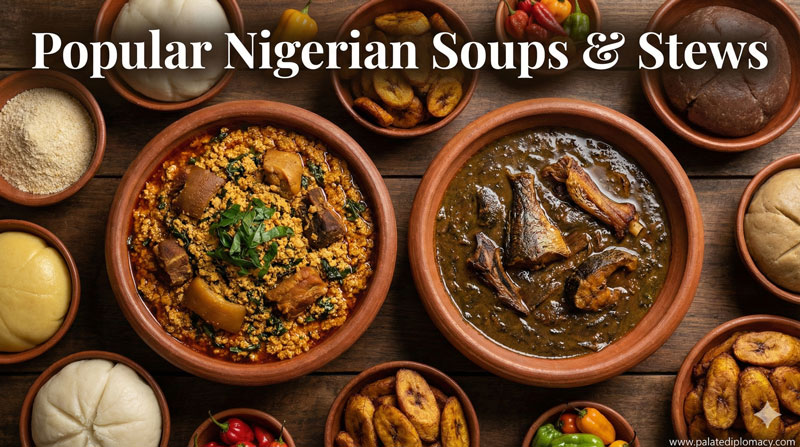
Egusi soup holds a special place in Nigerian kitchens. It blends nutty seeds, bright palm oil, rich meat or fish, and leafy greens into a single, comforting bowl. This dish travels through households with ease, adapting to family favorites and seasonal choices. Its popularity comes from how it feels at the table: warm, nourishing, and always inviting.
The Heartbeat of Texture, Color, and Aroma
Egusi seeds give the soup its signature body. When ground, they release a creamy texture that thickens the broth. The palm oil adds a glossy, orange hue and a lively aroma. Subtle spices and seasonings wake up the senses as the pot simmers. Leafy greens—like spinach, bitter leaf, or Ugwu—provide a fresh counterpoint to the rich base. The result is a dish that looks vibrant and tastes balanced, with a slow-blooming depth you can sense in every spoonful.
Craft and Care: How the Dish Is Built
Crafting egusi soup is a mindful process. Cooks grind the seeds finely, then mix them with water to form a paste. This paste blends into simmering stock and oil, forming a smooth, cohesive sauce. Meat or fish are added for heartiness, followed by the greens that brighten the plate. Some kitchens toast the seeds lightly to deepen the nutty flavor. Each step honors technique passed down by generations, while leaving space for family tweaks and personal touch.
A Dish for Family Gatherings and Everyday Meals
Egusi soup is a daily delight and a centerpiece for celebrations. It appears on table after long days, and it also shines at larger gatherings. The shared bowl brings people together. Guests scoop with their hands or serve with a side like pounded yam or fufu. The act of sharing strengthens bonds, making every meal feel Like a small, joyful ceremony. The dish’s warmth travels from pot to plate and then into good conversations.
Regional Voices: Variations Across Nigeria
Across Nigeria, egusi soup wears different flavors. Some kitchens favor spinach for a bright, fresh finish; others choose bitter leaf for a nuanced bitterness that accents the seeds. The meat choices vary—from beef to chicken, to fish or smoked options—depending on tradition and season. While the core ingredients stay the same, these regional twists reveal the versatility of egusi. The result is a family favorite that fits many tables and occasions.
Serving Traditions and Pairings
Egusi soup pairs beautifully with starchy staples. Pounded yam makes a classic, satisfying combination; fufu and garri are also popular companions. The pairing highlights the soup’s richness while balancing it with a gentle, satisfying texture. In many homes, serving it hot and piping with bright greens on top becomes a small ritual—an invitation to slow down, savor, and share.
A Quiet, Ongoing Celebration of Nigerian Food Culture
Egusi soup stands as a living thread in Nigerian Food Culture. It embodies comfort, practicality, and shared joy. Families learn patience through the cooking process, and new cooks add their own touches while respecting the tradition. The dish invites appreciation for ingredients, skill, and the simple pleasure of eating together. In this way, egusi soup remains a beloved symbol of home, care, and community, carried forward with every meal.