
Top Reasons Nigerians Love Eating Egusi Soup
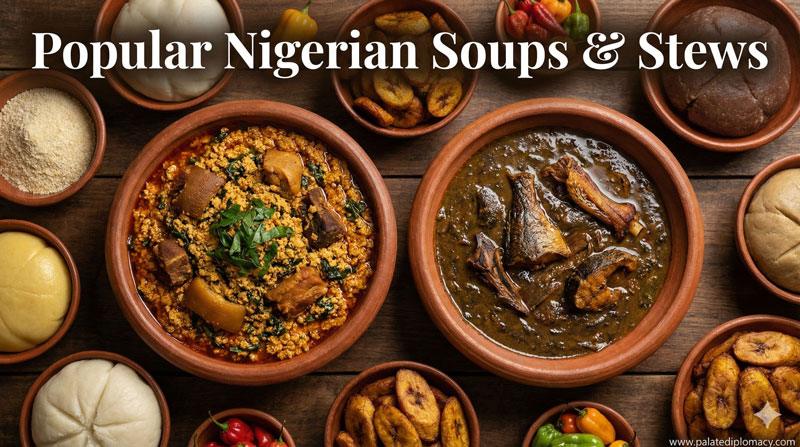
Egusi soup stands as a bright thread in Nigerian Food Culture. It is familiar, comforting, and endlessly adaptable. When families gather, this dish often takes center stage. It welcomes guests with a deep, nutty aroma and a warm, inviting texture. In short, egusi soup is more than food; it is a shared experience that travels from kitchen to table with joy and pride.
The Heart of the Recipe
Egusi soup begins with milled melon seeds, called egusi, which bring a distinctive richness. The seeds are roasted and ground until they glow with a nutty scent. Palm oil adds warmth and color, turning the pot into a vibrant, glossy medium. Leafy greens—such as pumpkin leaves (ugwu), spinach, or bitter leaf—offer a fresh counterpoint and bright vitality. Proteins range from beef and goat to fish and smoked meats, all folded in to deepen the flavor. The cooking process creates a thick, velvety sauce that clings to each bite.
Texture matters here. Cooks stir patiently, watching the sauce thicken as the egusi releases a mellow oil. The result is substantial yet balanced. Every spoonful carries a chorus of tastes: the nutty base, the fatty roundness, the bright greens, and the savory meat. The method respects tradition while inviting experimentation, making egusi a canvas for personal family spice and technique.
A Dish for Celebrations and Everyday Meals
Egusi soup earns its place in both special moments and daily routines. On holidays and at family gatherings, it is often prepared in larger batches to share with neighbors and friends. The process becomes a ritual: gathering ingredients, cleaning greens, and watching the pot simmer. Yet it remains approachable for weeknight dinners as well. The ease of keeping a pot steady on a simmer Makes It reliable in busy households. The dish teaches patience, and it rewards that patience with a satisfying, consistent flavor.
Regional Expressions of Egusi
Across Nigeria, egusi takes on subtle regional flavors. Yoruba cooks may emphasize the richness of palm oil and the depth of smoked meats. Igbo kitchens might feature a bright balance between greens and pepper, with a touch of crayfish for a salty lift. In other regions, cooks adjust the greens, swap fish for meat, or add local aromatics to suit taste and tradition. These variations reflect local markets, family memories, and the available produce. Yet the core idea remains the same: egusi as a nourishing, hearty soup that welcomes, nourishes, and connects.
Textures, Flavors, and Cooking Techniques
The flavor profile of egusi soup blends earthiness with warmth. The ground seeds contribute a creamy texture and a nutty finish. The greens provide a crisp bite and a fresh note that balances the richness. Palm oil adds a smooth silkiness and a golden hue, tying the dish together with a gentle sweetness. The skill lies in controlling the heat and the timing—enough time for the seeds to release their creaminess, not so much that they break apart the bright greens. When done well, the sauce feels lush yet clean, with every element in harmony.
Cooks also bring depth with supporting ingredients: onions, peppers, and sometimes crayfish or stockfish. These layers, used sparingly and with balance, elevate the dish without overwhelming the egusi base. The result is a versatile, dependable soup that can be adjusted to taste, making it a favorite for many households.
Serving Traditions and Pairings
Egusi soup shines when paired with the right side dishes. The classic companion is pounded yam, which has a soft, doughy bite that tapers the soup’s richness. Other popular partners include fufu variants, garri (cassava flakes), and semo. Dipping a portion of fufu into the egusi creates a comforting, satisfying mouthful. In many homes, the choice of side reflects family preference and regional habit, yet the enjoyment remains the same: a deliberate bite that blends texture with flavor.
This pairing tradition reinforces a sense of hospitality. Serving egusi with a chosen accompaniment signals care for guests and respect for the meal. It invites conversation, sharing, and a sense of welcome that marks many Nigerian meals.
Generations of Taste: Family Recipes and Sharing
Egusi soup is passed along with stories, not just instructions. Grandparents teach the Basics, mothers share tips for achieving the perfect thickness, and children learn to appreciate the aromas that fill the kitchen. The dish becomes a living archive, storing memories in its layers. Each family may develop its own signature touch—whether a preferred greens, a particular spice, or a specific blend of meats. That variety enriches the cuisine as a whole and shows how food can carry family identity forward.
Sharing egusi is also a social ritual. When a pot is opened, neighbors and friends often come to sample or sample again. This practice reflects generosity and community spirit, values that make meals more memorable. The dish thus helps preserve social bonds and create new ones around the table.
Modern Twists and Inspirations
While egusi soup remains deeply traditional, chefs and home cooks explore modern twists. Some cooks experiment with lighter options, using lean proteins or plant-based substitutes. Others welcome a wider palette of greens or a dash of spice to heighten brightness. These adaptations keep the dish relevant for new generations while preserving its core essence. The result is a living cuisine that honors the past while inviting fresh perspectives.
Even as adaptations appear, the fundamental appeal stays clear: egusi soup offers comfort, nourishment, and a sense of belonging. Its flexibility makes it a staple that can evolve with tastes and seasons, yet still feel unmistakably Nigerian.
Conclusion: A Rich Thread in Nigerian Food Culture
Egusi soup embodies the beauty of Nigerian food culture. It blends simple ingredients with careful technique to produce something deeply satisfying. It honors family, celebration, and daily life in equal measure. It invites sharing, conversation, and connection at the table. This dish stands as a testament to how flavor can unite people, bridging generations and regions through common enjoyment.
If you are new to egusi, approach it with curiosity and respect. Let the seeds release their creamy, nutty charm. Welcome the greens for balance and color. Embrace the warmth of palm oil and the pull of a perfect pairing. In every bowl, you taste not only nourishment but a tradition that has welcomed countless gatherings and will continue to do so for years to come.