
Introduction
Afang Soup is more than a dish. It is a window into Nigerian Food Culture, a showcase of flavor, technique, and shared enjoyment. This post invites you to taste the cultural value and culinary significance behind Afang Soup. You will see how ingredients, care in preparation, and serving traditions come together to tell a story of hospitality and regional pride.
What Afang Soup Is
Afang Soup blends fresh Greens with a hearty base. The key greens are Afang leaves, paired with water leaves to create a bright, silky texture. Palm oil adds depth and color, while crayfish, meat, and sometimes fish bring richness and savory aroma. In short, Afang Soup is a celebration of balance: greens, protein, and spice meeting at the table.
The Leaves and Ingredients
Afang leaves stand at the heart of the dish. Their crisp bite and green aroma carry a sense of land and season. Water leaves contribute moisture and a gentle sweetness that complements the greens. Palm oil provides flavor and a warm, amber glow. Ground crayfish and dried fish add umami, while meat or fish pieces anchor the broth. Together, these components express a thoughtful mix of textures: chewy greens, tender meat, and silky sauce.
Shared Meals and Community
Culturally, Afang Soup shines when prepared for loved ones. Families gather in the kitchen, or outdoors, to cook with care. The preparation often becomes a cooperative activity, with different hands handling washing, slicing, and stirring. When the pot is ready, communities come together to eat from a common bowl or share plates. This practice emphasizes hospitality, conversation, and a sense of togetherness that defines many Nigerian dining traditions. The dish travels beyond taste to embody a welcoming spirit.
Techniques and Flavor Philosophy
The technique centers on extracting harmony from greens and oil. Fresh Afang leaves are finely chopped or torn to release their bite without losing their texture. Water leaves are added for moisture and balance. Simmering brings out the Flavors of palm oil and crayfish, while careful seasoning preserves the natural sweetness of the greens. The use of dried fish or crayfish adds depth, and a touch of spice from pepper or uziza seeds rounds out the profile. In essence, Afang Soup follows a simple philosophy: respect the greens, build layers of savor, and savor the moment of sharing.
Regional Variations
Afang Soup has regional personality, especially in Akwa Ibom, Cross River, and nearby areas. In each place, cooks tailor the meat, fish, and seasoning to prefered tastes, while preserving the core greens-and-oil base. Some kitchens emphasize more palm oil for a richer color and mouthfeel; others spotlight leaner presentations with lighter broths. Variations may include different proteins, or the addition of local spices, yet the essential character remains: fresh greens, a comforting sauce, and a sense of place in every bite.
Pairings and Presentation
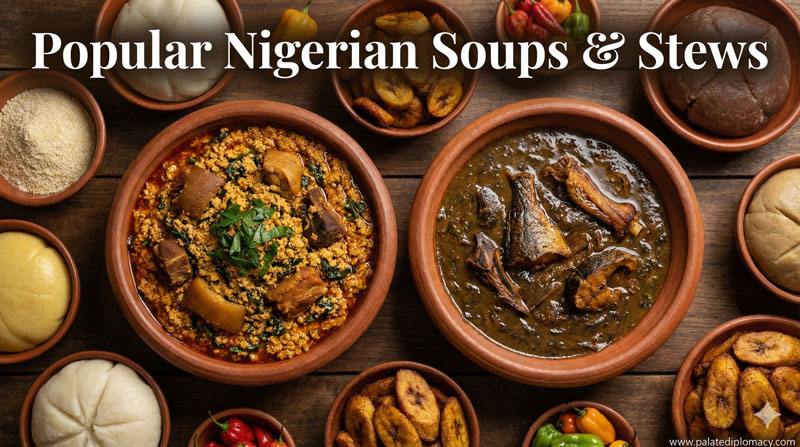
Afang Soup pairs beautifully with starchy accompaniments like fufu, garri, or pounded yam. The smooth starch helps carry the sauce and lifts the greens’ brightness. Serving is generous and communal, inviting diners to dip, scoop, and share. The presentation favors a vivid green against amber oil, with the dish inviting guests to notice texture and aroma first, then taste. This visual and tactile appeal reinforces the cultural message: nourishment, togetherness, and gratitude.
Afang in Nigerian Food Culture
Within Nigerian cuisine, Afang Soup symbolizes regional pride and the joy of seasonal ingredients. It demonstrates how everyday cooking can become a ritual of care, precision, and warmth. The dish also shows versatility and balance—greens with protein, earthy soil flavors from palm oil, and a bright post-meal satisfaction. By focusing on quality ingredients and thoughtful technique, Afang Soup reflects the broader culture of hospitality and mindful eating that many communities cherish.
Conclusion
If you seek a dish that speaks to taste and tradition, Afang Soup offers both. It invites you to appreciate the freshness of greens, the richness of palm oil, and the comfort of shared meals. By understanding its cultural value and culinary significance, you gain a deeper respect for the beauty of Nigerian food culture. Try preparing Afang Soup with care, and welcome its story to your table.