
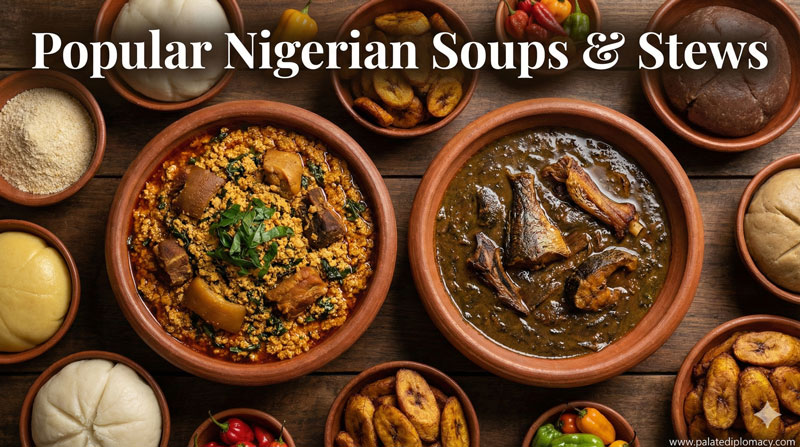
Why Travelers Are Falling in Love with Okra Soup
Travelers often discover more than a dish when they taste okra soup. They encounter a moment that feels both comforting and adventurous. The soup welcomes you with color, aroma, and a texture that speaks of careful craft. It is a dish that invites conversation and curiosity, turning a meal into a small, memorable ritual.
A Silky Texture That Tells a Story
Okra soup is defined by its gentle silkiness. The okra itself releases tender mucilage that coats each bite, yielding a smooth, cohesive sauce. This texture blends with the warmth of palm oil or a lighter oil, tomatoes for brightness, onions for sweetness, and peppers for lift. The result is a harmony of viscosity and bite, moving from spoon to mouth with ease. The texture, in turn, guides travelers to savor the layers of flavor that the cook builds step by step.
Hospitality at the Heart of the Pot
In many kitchens, the pot of okra soup sits at the center of a meal and a gathering. It is a symbol of welcome and shared abundance. A family or a cook prepares it with care, taking pride in balance and seasonality. When a traveler sits down, the first aroma—heat, oil, and a hint of smoke—announces hospitality. The act of sharing the soup helps create a memory around the table, where stories and laughter rise together with steam.
Regional Variations: A Tasting of Places
Across kitchens, okra soup adapts to local ingredients and preferences. The core remains the same: okra, a simmered base, and some form of protein or seafood. Yet cooks tailor it with different aromatics, extra greens, or a touch of spice. Some versions lean toward a brighter, tomato-rich profile; others lean into a deeper, richer broth with smoked fish or meat. The choice of greens, peppers, and seasonings reflects local harvests and tastes, turning the same dish into a tasting menu of regional character.
Techniques and Tools: Craft in Every Step
The cooking rhythm matters as much as the ingredients. Start with sautéing onions and peppers to build sweetness and aroma. Add tomatoes to brighten and balance the okra’s richness. The okra is often added gradually to control thickness and texture. Cooks choose tools that suit their space—cast iron, clay pots, or modern cookware—each adding a subtle nuance to the finished soup. The technique honors patience and precision, yielding a final dish that feels both everyday and special.
Pairings and Presentation: A Local Table
Okra soup shines beside starchy accompaniments such as pounded yam, fufu, or rice. Fresh herbs, a squeeze of citrus, or a bright chutney can offer a lively contrast. The colors—green, gold, and red—make the plate inviting, while the aroma prepares the senses for a comforting bite. Serving in a communal bowl or shared plates reinforces the sense of togetherness that travelers often seek.
An Invitation to Slow Down and Taste
For travelers, okra soup offers more than nourishment. It provides a doorway into a place’s culinary rhythm, ingredients, and care. Each spoonful catches a moment of balance between simplicity and depth. The dish remains approachable, generous, and respectful of the hands that prepare it. If you are seeking a meal that honors tradition while inviting exploration, okra soup stands as a warm invitation to pause, taste, and remember.